Exploring Virtual Assistants
Introduction to Virtual Assistants
Your Digital Helper
You've probably asked your phone for the weather, told a smart speaker to play a song, or used a chatbot to ask a company a question. In each case, you were talking to a virtual assistant.
A virtual assistant is a software program designed to perform tasks or provide services based on your commands or questions. Think of it as a digital helper that lives in your devices. Instead of you needing to learn a special computer language, these assistants are built to understand you.
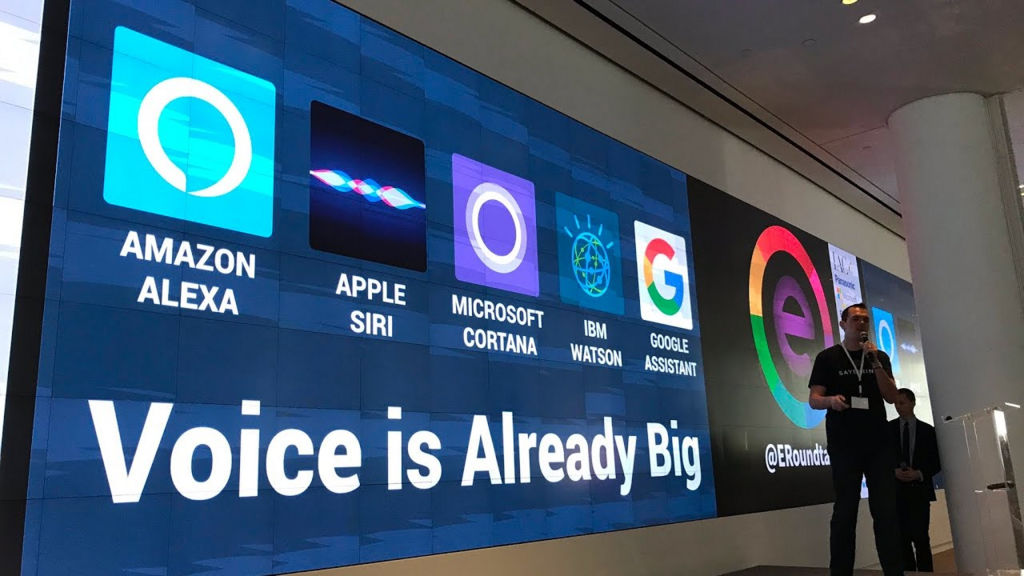
Virtual personal assistants like Siri, Alexa, and Google Assistant are AI-based technologies that use natural language processing (NLP) to interact with users.
These assistants are now a common feature in our daily lives, integrated into a wide range of devices. You'll find them on smartphones (like Siri and Google Assistant), in smart speakers (like Amazon's Alexa), and even in cars, watches, and TVs. They make technology more accessible and hands-free.
From Simple Rules to Smart AI
Virtual assistants weren't always so capable. The earliest versions were simple, rule-based systems. Think of an automated phone menu: "Press one for sales, press two for support." These systems could only respond to a very limited set of specific commands. If you said something it wasn't programmed to understand, you'd hit a dead end.
The real breakthrough came with the rise of artificial intelligence (AI), especially machine learning and natural language processing (NLP). Instead of just following rigid rules, modern assistants can learn from vast amounts of data. This allows them to understand the intent behind your words, handle variations in language, and even grasp context.
Natural Language Processing
noun
A field of artificial intelligence that enables computers to understand, interpret, and generate human language.
Because of NLP, you can ask a question in many different ways and still get the right answer. For example, "What's the weather today?", "Do I need a jacket?", and "Will it rain this afternoon?" are all different questions, but a modern assistant can figure out that you want a weather forecast. This ability to understand and adapt is what makes today's virtual assistants so powerful and useful.
This evolution from simple instruction-followers to intelligent companions has fundamentally changed how we interact with technology. It has made complex actions as simple as speaking a sentence.