Exploring 'Vawee'
Introduction to Haitian Vodou
A New World Faith
Haitian Vodou was born from struggle and resilience. During the transatlantic slave trade, millions of West and Central Africans were forcibly brought to the French colony of Saint-Domingue, now Haiti. They carried with them a rich diversity of spiritual traditions, from the Fon and Kongo peoples to the Yoruba and Igbo.
On the plantations, slaveholders suppressed these practices and forced conversion to Roman Catholicism. But the enslaved Africans found clever ways to keep their traditions alive. They saw parallels between their own spiritual figures and the Catholic saints, and began to outwardly venerate the saints while privately honoring their own spirits. This blending of beliefs, known as syncretism, became the foundation of Vodou.
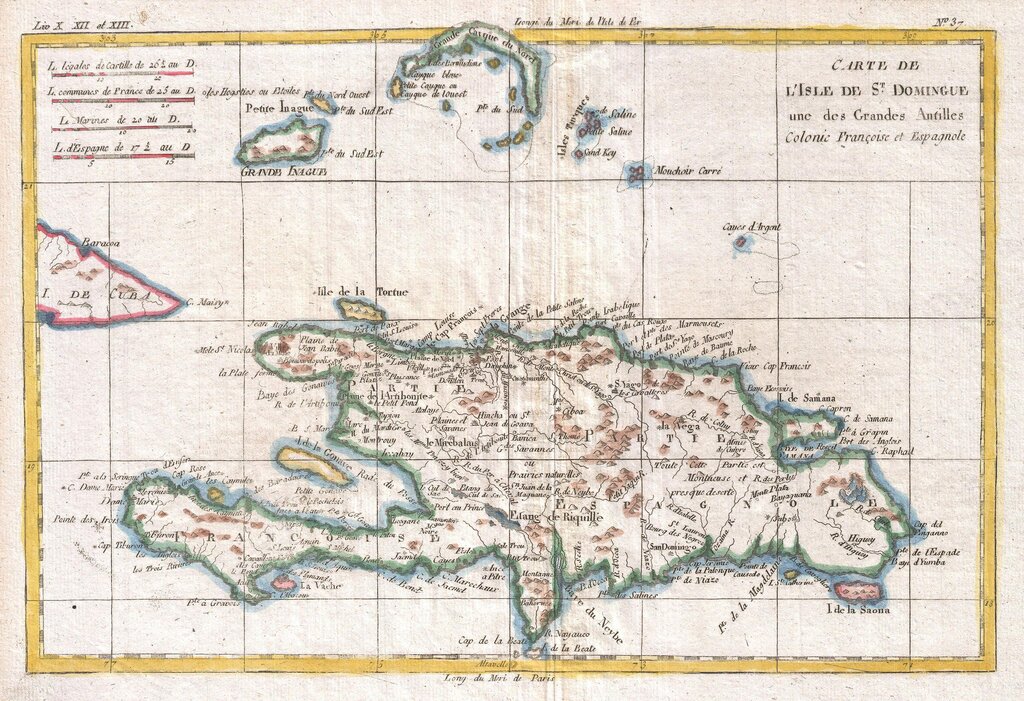
This faith was a source of strength and unity. Vodou ceremonies provided a space for community and a powerful tool for resistance, playing a key role in the Haitian Revolution of 1791–1804, the only successful slave revolt in history.
One God, Many Spirits
Contrary to common misconceptions, Vodou is a monotheistic religion. Practitioners believe in a single, supreme creator god who is distant and unknowable. This creator has a specific name.
Bondye
noun
The supreme creator god in Haitian Vodou. The name comes from the French 'Bon Dieu,' meaning 'Good God.'
Because Bondye is too vast to be involved in daily human affairs, Vodou practitioners turn to a host of intermediary spirits for guidance, protection, and help. These spirits are known as the lwa.
Serving the Lwa
The lwa (or loa) are the spirits of Vodou. They are not gods to be worshipped, but powerful beings to be served and respected. Each lwa has a distinct personality, a specific domain of influence, and their own likes and dislikes—from the foods they prefer to the colors they favor.
Think of the lwa not as deities, but as spiritual guides and extended family members who take an active interest in the lives of the living.
A central part of Vodou practice is building relationships with the lwa through rituals, songs, dances, and offerings. During ceremonies, a lwa may enter a practitioner's body in an act known as spirit possession. When this happens, the person is said to be "mounted" by the lwa, who can then communicate directly with the community, offering advice, warnings, or healing.
The syncretism at Vodou's core is clearly visible in the association between lwa and Catholic saints.
| Lwa | Domain & Personality | Associated Saint |
|---|---|---|
| Papa Legba | Guardian of the crossroads, messenger | Saint Peter or Saint Lazarus |
| Ezili Dantor | Fierce protector of women and children | Black Madonna of Częstochowa |
| Ogou | Warrior spirit of iron and fire | Saint James the Greater |
| Danbala | Serpent spirit of wisdom and peace | Saint Patrick |
Vodou is a practical, life-affirming faith focused on community, healing, and maintaining balance between the material and spiritual worlds. It's a complex system of belief that has been unfairly stereotyped and misunderstood for centuries.
How did Haitian Vodou primarily develop?
In Vodou, what is the term for the intermediary spirits who interact with humanity on behalf of the supreme creator?