Exploring Validism
Introduction to Validism
What Is Validism?
Validism is a framework for critiquing societal norms that favor able-bodied individuals. It challenges the deep-seated assumption that there is a single, correct way for a body or mind to be. At its core, validism pushes back against the idea that people with disabilities need to be "fixed" or are somehow less complete than their able-bodied peers.
Instead, it argues that society itself is often the disabling factor. Think of a building with only stairs at the entrance. The building's design, not the wheelchair user's body, is what creates the barrier. Validism provides the language and perspective to identify and question these societal barriers, whether they are physical, like architecture, or attitudinal, like stereotypes.
Ableism
noun
Discrimination and social prejudice against people with disabilities based on the belief that typical abilities are superior.
Core Principles
Validism is built on a few key ideas. The first is that disability is a natural part of human diversity, not a defect. Just as we have different hair colors and heights, we have different physical and cognitive abilities. This perspective reframes disability as a difference to be accommodated, not a problem to be solved.
The problem is not the person with a disability; the problem is the way that normalcy is constructed to create the 'problem' of the disabled person.
A second principle is the focus on social barriers. Validism distinguishes between an individual's impairment (a physical or mental condition) and disability (the disadvantage caused by a society that doesn't account for it). By focusing on the disabling barriers created by society, we can work towards removing them and creating a more inclusive world.
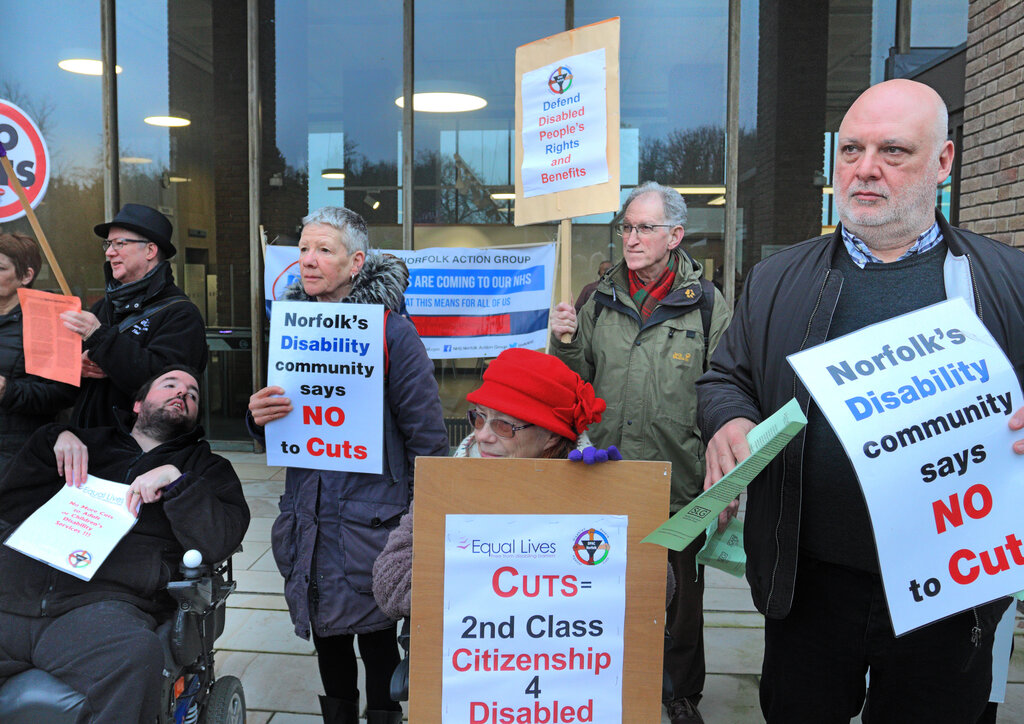
This leads to the third principle: promoting equity and inclusivity. Validism advocates for a world where everyone has the same opportunities to participate fully in society. This means redesigning systems, from education and employment to public spaces and social activities, with the needs of all people in mind.
A Brief History
The ideas behind validism grew out of the disability rights movements of the 20th century. For much of history, disability was viewed through a medical or charitable lens. People with disabilities were seen as patients to be treated or objects of pity.
Starting in the 1960s and 1970s, activists with disabilities began to reject these models. In the United Kingdom, they developed the "social model of disability," which laid the intellectual groundwork for what we now call validism. Key thinkers and organizations argued that people were disabled by society's failure to accommodate their needs.
This shift in thinking was revolutionary. It moved the focus from individual limitation to societal responsibility.
In the United States, similar movements were fighting for civil rights. The passage of laws like the Americans with Disabilities Act (ADA) in 1990 was a landmark victory, legally mandating the removal of many physical and systemic barriers. These activists and scholars built the foundation of validism by demanding that society recognize disability not as a personal tragedy, but as a matter of social justice.
Ready to check your understanding?
According to the framework of validism, what is the primary source of 'disability'?
Validism grew out of the disability rights movements which rejected earlier views of disability. What model did these movements, and validism, primarily challenge?
By understanding validism, we gain a powerful tool for recognizing and challenging ableism in our own communities and creating a more equitable society.