Exploring Trevor Noah's Born a Crime
Apartheid Context
The Architecture of Separation
Apartheid wasn't an overnight invention. It was the brutal climax of more than 300 years of colonial history and racial segregation in South Africa. When the Dutch East India Company established a post at the Cape of Good Hope in 1652, it set in motion a long history of European settlement, conflict, and the gradual disenfranchisement of native African populations. Over centuries, British and Dutch-descended Afrikaners competed for control, but both groups established a society built on white supremacy.
The system became official policy after the 1948 general election, when the rose to power. They didn't just enforce segregation; they built a legal framework to control every aspect of life based on race. The goal was total separation and the maintenance of white minority rule.
Apartheid, meaning "apartness" in Afrikaans, systematically stripped non-white citizens of their rights and freedoms.
The Laws of Division
To enforce its vision, the government enacted a web of oppressive laws. These weren't vague guidelines; they were specific, intrusive, and legally binding rules designed to separate people from birth.
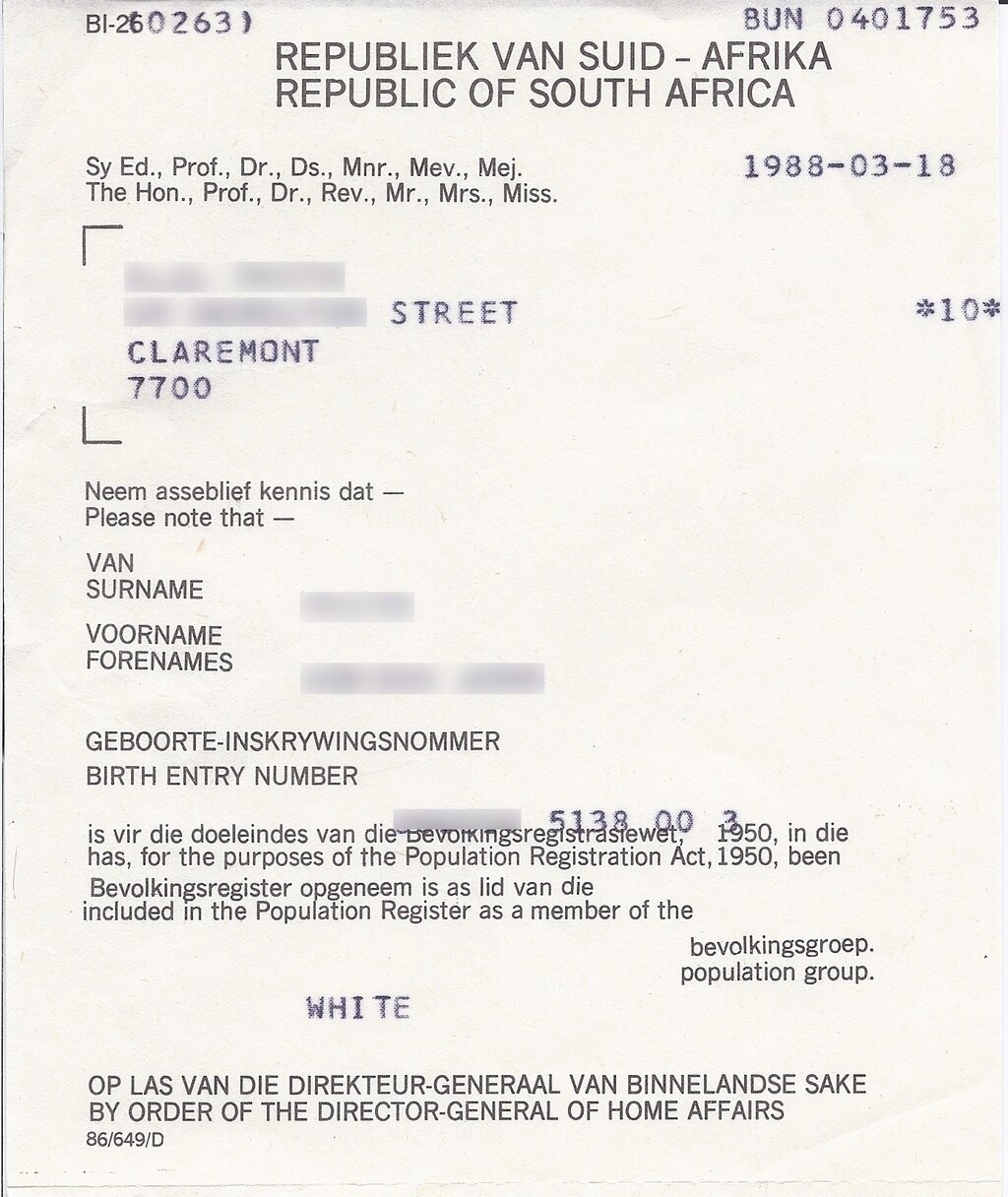
At the heart of the system was the Population Registration Act of 1950. This law classified every South African into one of four racial categories: White, Coloured, Indian (sometimes called Asian), or Black (also referred to as Bantu or Native). This classification was not based on genetics but on appearance, social standing, and arbitrary bureaucratic decisions. It determined where you could live, what job you could have, and who you could marry. A person's entire life was dictated by the race assigned to them on a piece of paper.
Next came the Group Areas Act of 1950. This law physically separated the races by designating specific urban and rural areas for each racial group. It led to the forced removal of millions of non-white people from their homes, which were often in desirable city centers, to segregated townships on the outskirts. Neighborhoods that were once integrated became racially exclusive by force of law.
To control the movement of Black South Africans, the government used a system of , which had existed for decades but were strengthened under apartheid. These laws required Black citizens over the age of 16 to carry a passbook, or dompas, at all times. This document contained fingerprints, a photo, and details about their employment and permission to be in a particular area. Without a valid pass, a person could be arrested and jailed. It was a tool for controlling labor and restricting freedom of movement, turning Black people into temporary visitors in the urban, "white" parts of their own country.
A Separated Society
These laws created a deeply divided society. The government's official ideology was "separate development," which claimed that each racial group would prosper by developing its own culture and institutions independently. In reality, it was a system designed to ensure that the white minority held all economic and political power.
| Law | Purpose | Daily Impact |
|---|---|---|
| Population Registration Act (1950) | Classify every person by race. | Determined one's status in society, from access to education to who one could marry. Families were sometimes split apart by classification. |
| Group Areas Act (1950) | Segregate living areas by race. | Forced millions from their homes into designated townships, often far from jobs and services. |
| Prohibition of Mixed Marriages Act (1949) | Forbade marriages between whites and people of other races. | Criminalized love and relationships across the color line. |
| Bantu Education Act (1953) | Created a separate, inferior education system for Black students. | Designed to train Black South Africans for manual labor and subservient roles in society. |
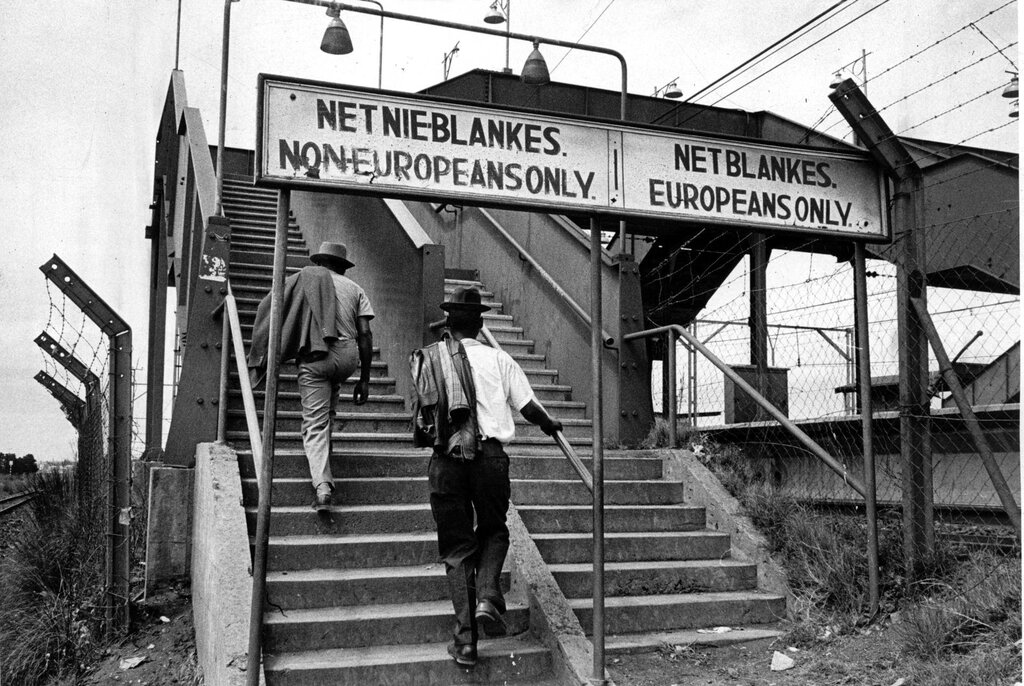
Daily life was a constant reminder of segregation. There were separate buses, separate park benches, separate hospitals, and separate schools. The education provided to Black children was intentionally substandard, designed to limit their opportunities. The best jobs, land, and resources were reserved for whites. For people of color, every day involved navigating a world that was legally and violently stacked against them. It is this world, where one's very existence could be deemed a crime, that forms the backdrop of Trevor Noah's story.
Now that you understand the basic framework of apartheid, let's review some key terms before testing your knowledge.
Which political party rose to power in South Africa in 1948 and began implementing the formal system of apartheid?
What was the primary function of the Population Registration Act of 1950?