Exploring the World of Science
Introduction to Observation
The Starting Point
Every scientific journey begins with a simple act: observation. It's the foundation of inquiry, the spark that lights the path to discovery. But scientific observation is more than just a casual glance. It's an active, careful process of noticing and describing events or processes in a systematic way.
The process starts with observation.
Imagine you have a small plant on your windowsill. A casual glance might tell you it's green. A scientific observation would involve noting the exact shade of green, the number of leaves, the height of the stem, and the texture of the soil. You might watch it over several days, noticing how it bends toward the light or how its leaves perk up after watering. These detailed notes are the raw material of science.
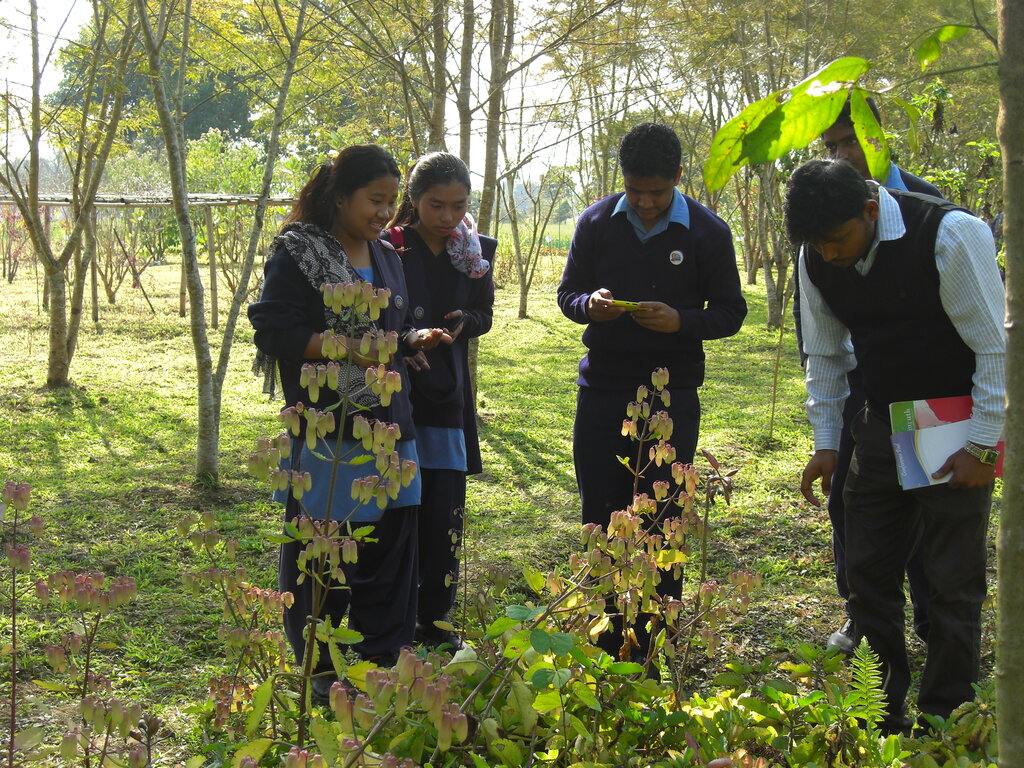
Observations come in two main flavors: qualitative and quantitative. Qualitative observations describe qualities and are based on our senses. Think of colors, textures, smells, and sounds. Quantitative observations, on the other hand, involve numbers. They are measurements. Both are crucial for building a complete picture.
| Observation Type | Description | Examples |
|---|---|---|
| Qualitative | Describes qualities using the senses. | The liquid is bright yellow. A fizzing sound was heard. The substance has a rough texture. |
| Quantitative | Involves numbers and measurement. | The plant's height is 15 cm. The temperature is 22°C. The reaction took 45 seconds. |
A good scientist uses both. Knowing a leaf is green (qualitative) is useful. Knowing it has three brown spots, each about 2 millimeters in diameter (quantitative), is even better. The best observations are precise and objective, free from personal bias or opinion. Tools like rulers, scales, and thermometers help us extend our senses and make objective, quantitative measurements.
Recording What You See
An observation is useless if it's forgotten. That's why recording what you see is just as important as the act of observing itself. Scientists keep detailed logs in lab notebooks or digital files. This creates a permanent record that can be reviewed and analyzed later.
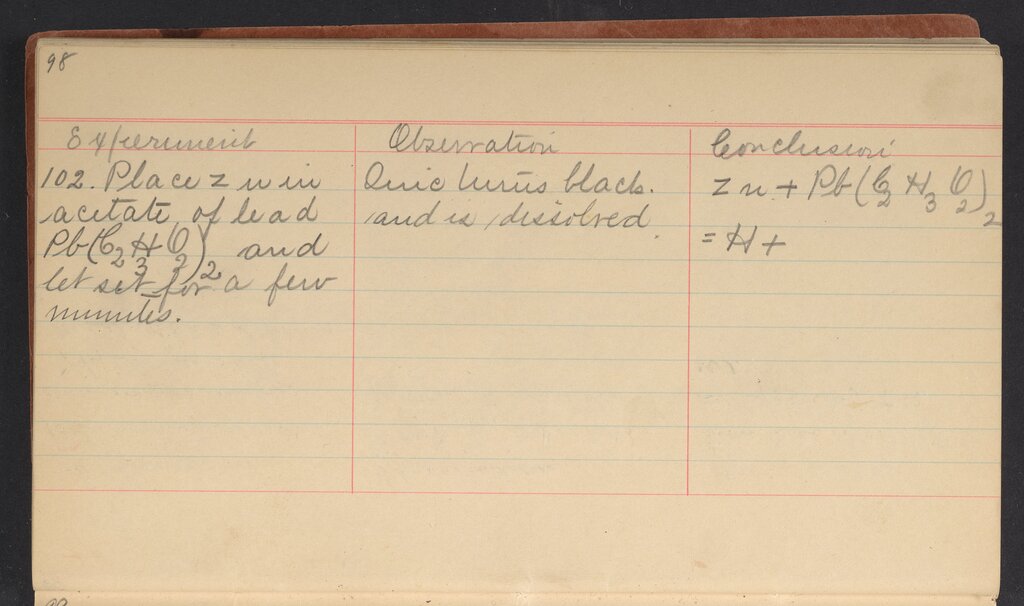
When you record an observation, be as specific as possible. Instead of writing "the liquid got hot," a better record would be "the temperature of the liquid increased from 20°C to 35°C over 2 minutes." Include drawings, diagrams, or photos when they can help capture details more clearly than words alone. The goal is to create a record so clear that someone else could read it and visualize exactly what you saw.
Good record-keeping turns a fleeting moment into lasting data.
Finding the Pattern
Once you have a collection of well-documented observations, you can start to look for patterns. Do the leaves on your plant always turn toward the window? Does a dropped ball always fall at the same speed? A pattern is a repeating event or feature. Recognizing patterns is a key skill that helps scientists make sense of the world.
Equally important is noticing anomalies, or things that don't fit the pattern. If one day your plant bends away from the window, that's an anomaly. It's an unexpected result that breaks the established pattern. Anomalies are often exciting because they challenge our understanding and can lead to brand new questions. Why did that happen? What was different about that day?
This process of observing, recording, and identifying patterns is the essential first phase of any scientific investigation. It doesn't provide answers, but it's how we learn to ask the right questions.
Which of the following is the best example of a quantitative observation?
A scientist has been observing a bird's nest. For ten days in a row, she saw the mother bird bring worms to the nest. On the eleventh day, she observed the mother bird bringing a small berry instead. What is the observation of the berry an example of?