Exploring the Unknown: Colombiw
Introduction to Colombia
Where Continents and Oceans Meet
Colombia sits at the strategic northwestern corner of South America, a unique position that gives it coastlines on both the Caribbean Sea and the Pacific Ocean. It's the only country on the continent with this dual-ocean access.
Its land borders connect it to five different nations. To the east lie Venezuela and Brazil. Peru and Ecuador are to the south. In the northwest, it shares a border with Panama, physically linking South America to Central America.
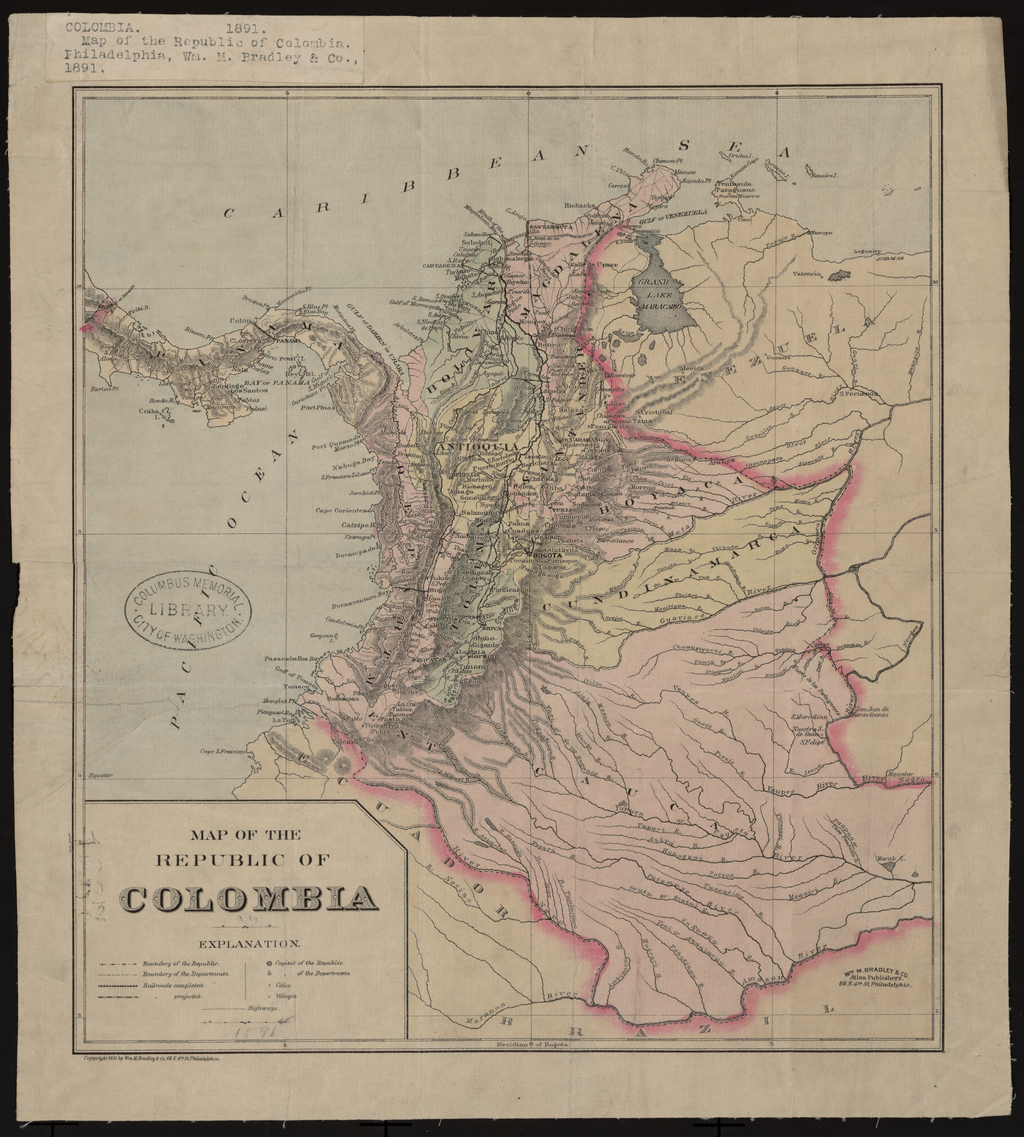
This geography creates incredible diversity. The Andes mountains, the spine of South America, split into three distinct ranges, or cordilleras, as they run through Colombia. These mountain ranges create a variety of climates and fertile valleys. Beyond the mountains, you'll find the vast tropical grasslands of Los Llanos to the east and the dense Amazon rainforest in the south.
Cities in the Clouds and on the Coast
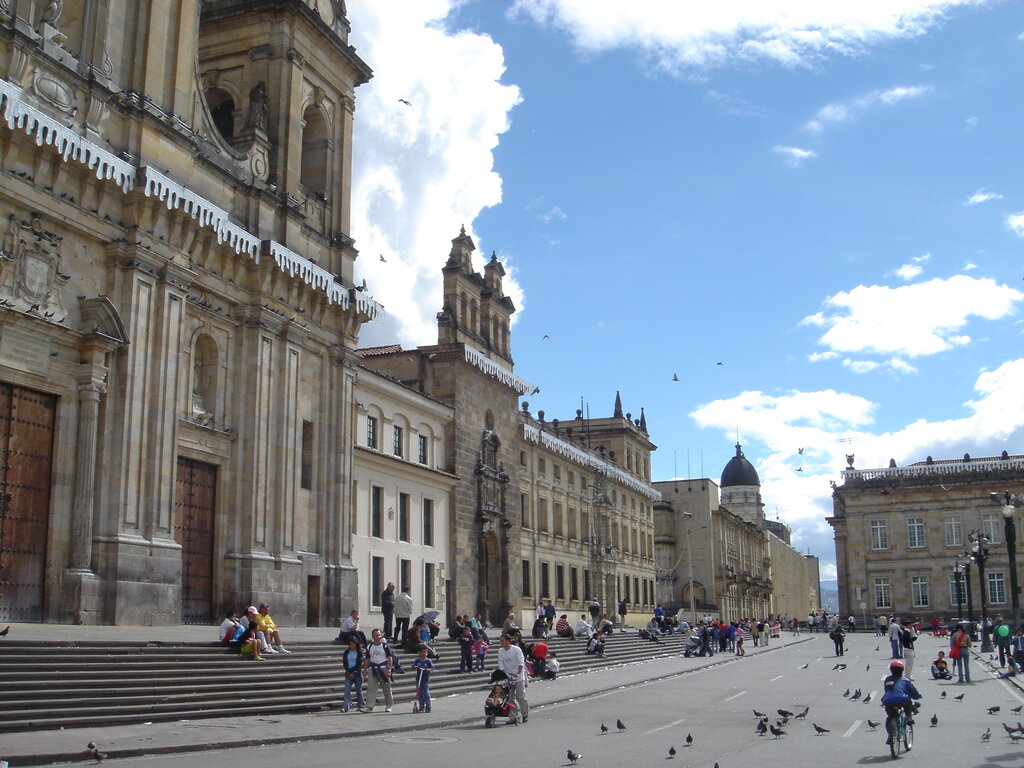
Colombia's population is largely urban, with its major cities nestled in distinct geographical regions. The capital, Bogotá, is a sprawling metropolis high in the Andes, sitting at an elevation of 2,640 meters (8,660 feet). It's the country's political and cultural heart.
Medellín, located in the Aburrá Valley, is known as the "City of Eternal Spring" for its pleasant weather. Once notorious for its crime, it has transformed into a hub of innovation and modern urban planning. On the Caribbean coast, Cartagena is a star attraction, with its stunning colonial walled city and vibrant Afro-Caribbean culture. Not far away, Barranquilla is famous for hosting one of the world's largest Carnival celebrations. To the southwest, Cali is the undisputed world capital of salsa dancing.
A Mosaic of People
The culture of Colombia is a rich blend of its peoples. The demographic makeup is primarily a mix of three main ancestries: Indigenous, European (mainly Spanish), and African. This combination is most evident in the Mestizo population, people of mixed European and Indigenous heritage, who form the majority.
Afro-Colombians, descendants of enslaved Africans, have profoundly shaped the country's music, food, and culture, particularly along the coastal regions. Colombia has the second-largest population of African descent in Latin America, after Brazil.
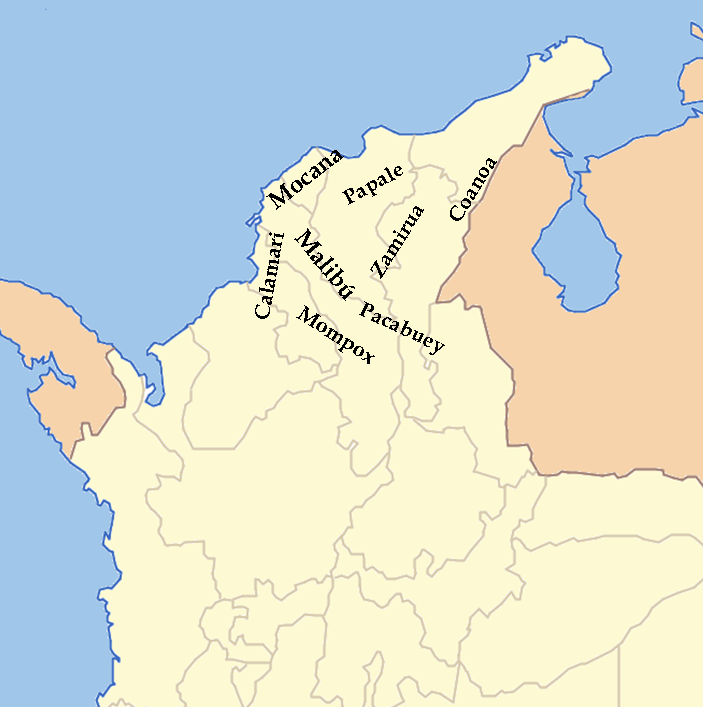
Indigenous communities, while a smaller percentage of the population, represent a deep well of cultural heritage. Over 80 distinct Indigenous groups still exist in Colombia, many living in autonomous territories called resguardos, primarily in the Amazon rainforest and the mountainous regions. Their languages, traditions, and worldviews are a vital part of the national identity.
Learning Spanish in Colombia is more than studying grammar and vocabulary—it’s about immersing yourself in authentic culture in Colombia and using the language in real-world scenarios.
This mix of influences is present everywhere. You can hear it in the rhythms of cumbia and vallenato music, taste it in regional dishes like ajiaco soup or coastal seafood stews, and see it in the vibrant art and festivals that define Colombian life.
Ready to check your understanding of Colombia's geography and culture?
What is a unique geographical feature of Colombia compared to other South American countries?
Which of the following countries does NOT share a land border with Colombia?
This overview provides a starting point for understanding the complex and vibrant country of Colombia. Its geography has shaped not only its cities and economy but also the very fabric of its culture.