Exploring the Tarot
Introduction to Tarot
More Than Just Fortune-Telling
Tarot is a deck of 78 illustrated cards, each with its own imagery and symbolism. While often associated with predicting the future, many people use them as a tool for self-reflection, creative brainstorming, or understanding a situation from a new perspective. Think of it less like a crystal ball and more like a set of visual prompts that can help you tap into your own intuition.
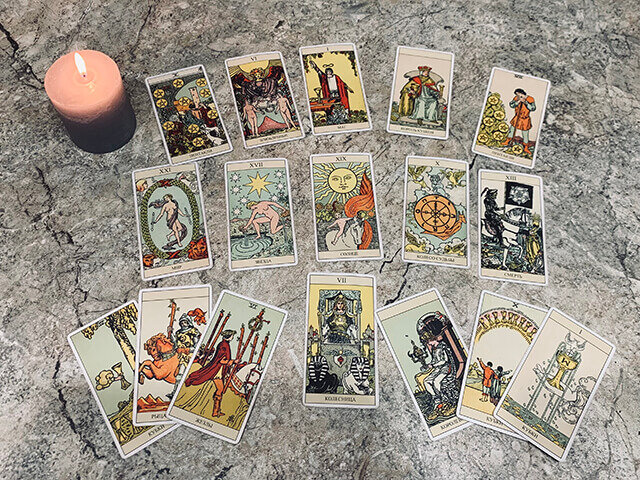
The cards don't hold magical powers. Instead, their strength lies in the stories they tell and the thoughts they provoke. By looking at the symbols and archetypes on the cards, you can explore challenges and possibilities in a structured way.
From Playing Cards to Divination
Tarot's origins might surprise you. The cards didn't begin as a mystical tool. They first appeared in 15th-century Italy as a card game called tarocchi. It was a popular pastime among the nobility, similar to bridge or poker today. These early decks were hand-painted, expensive, and used for entertainment.
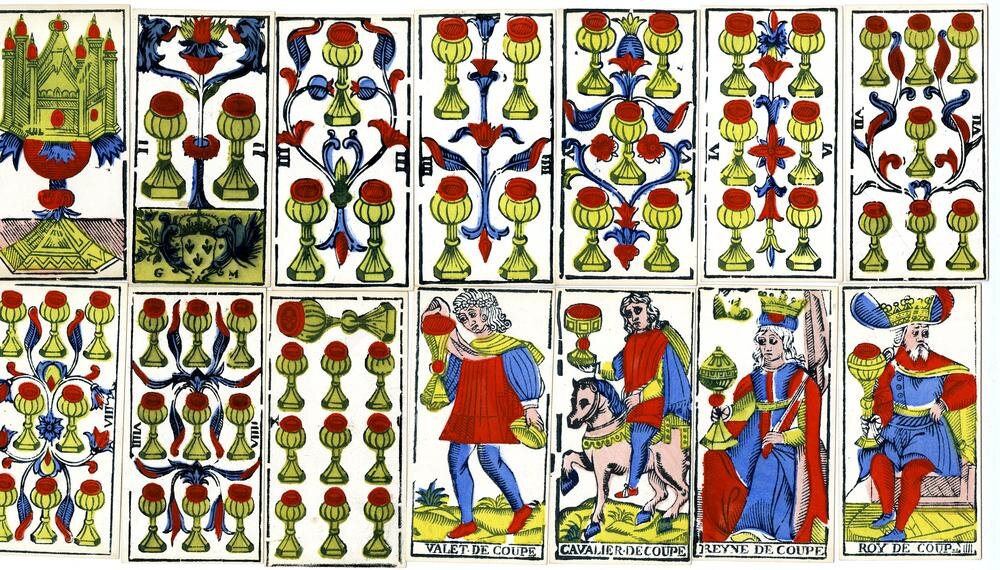
It wasn't until the late 18th century that Tarot cards took on their esoteric meaning. French and English occultists began to see connections between the card's symbols and ancient wisdom, from Egyptian mysteries to Kabbalistic teachings. They reinterpreted the cards, assigning them deeper meanings and developing systems for using them in divination.
Over time, this mystical use overshadowed its history as a game. Today, Tarot exists in many forms. For some, it's a sacred practice. For others, it's a way to engage with art and storytelling. And for many, it's simply a fascinating cultural artifact with a rich, layered history.
Anatomy of a Tarot Deck
A standard Tarot deck is divided into two main sections: the Major Arcana and the Minor Arcana.
The Major Arcana represents life's big, overarching themes, while the Minor Arcana reflects the details and situations of our daily lives.
The Major Arcana consists of 22 cards, each unsuited and numbered 0 through 21. These cards depict significant life events, spiritual lessons, and universal archetypes. Think of cards like The Fool, The Magician, The High Priestess, and The World. They tell a story, often called "The Fool's Journey," which is a metaphor for the journey through life from innocence to enlightenment.
The Minor Arcana contains the other 56 cards. If this sounds familiar, it should. This part of the deck is the direct ancestor of modern playing cards. It's divided into four suits, and each suit contains 14 cards: ten numbered cards (Ace through 10) and four Court Cards (Page, Knight, Queen, and King).
The four suits represent different areas of everyday life.
| Suit | Element | Represents |
|---|---|---|
| Wands | Fire | Passion, creativity, action, willpower |
| Cups | Water | Emotions, relationships, intuition, love |
| Swords | Air | Thoughts, challenges, communication, intellect |
| Pentacles | Earth | Material world, finances, work, nature |
Together, these two parts create a complete system for exploring the human experience. The Major Arcana provides the big-picture context, and the Minor Arcana fills in the specific details.
Now that you understand the basic history and structure, let's test your knowledge.