Exploring the Spanish Language
Origins of Spanish
From Rome to the Peninsula
The story of Spanish begins over 2,000 years ago. In the 3rd century BC, Roman soldiers and settlers arrived on the Iberian Peninsula, which they called Hispania. They brought with them their language: Latin. But this wasn't the formal, literary Latin of poets and philosophers. It was Vulgar Latin, the everyday tongue of the common people.
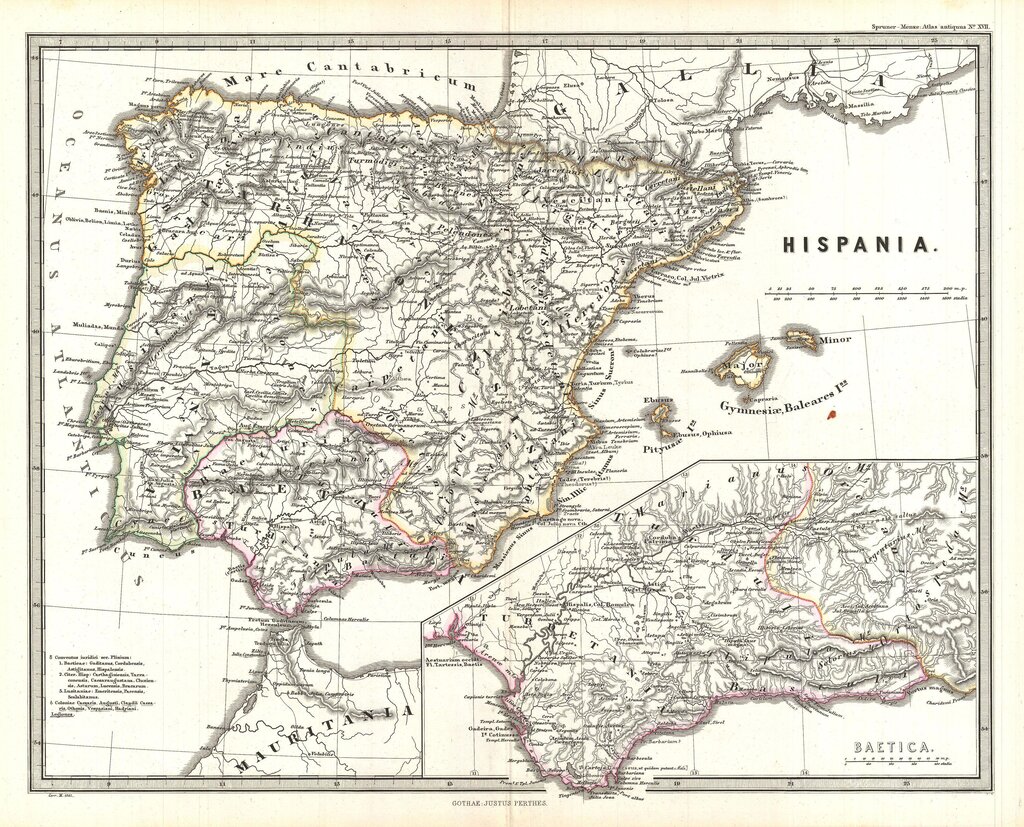
Over several centuries of Roman rule, this spoken Latin gradually replaced most of the local languages. People adopted it for trade, law, and daily life. This widespread adoption created a linguistic foundation across the peninsula, but one that would soon begin to splinter and evolve in unique ways.
Echoes of the Past
Before the Romans arrived, the Iberian Peninsula was a mosaic of different peoples speaking a variety of languages, including Iberian, Celtiberian, and Lusitanian. While Latin became dominant, these ancient tongues didn't vanish without a trace. They left their fingerprints on the local form of Latin, contributing words that survive in Spanish today.
Words like perro (dog), charco (puddle), and izquierdo (left) are thought to have come from pre-Roman languages.
One language, Basque (Euskara), is a remarkable exception. Spoken in the mountainous regions of northern Spain and southern France, it is a language isolate, meaning it's unrelated to any other known language. It survived the Roman conquest and continues to be spoken today, a living link to the peninsula's pre-Roman past.
A Kingdom's Language
After the Western Roman Empire fell in the 5th century AD, the political unity of Hispania fractured. The Vulgar Latin spoken in different regions began to drift apart, evolving into several distinct Romance dialects. One of these emerged in a small, hilly county in the north: Castile.
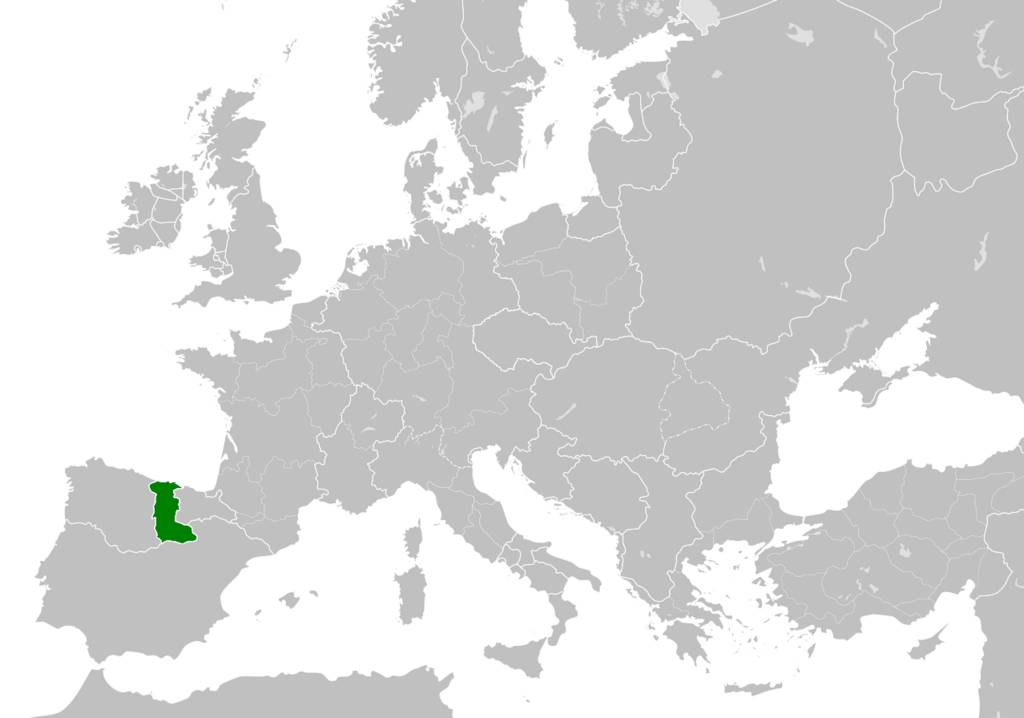
This dialect, known as Castilian, gained prominence during the Reconquista, the centuries-long effort by Christian kingdoms to retake the peninsula from the Moors, who had arrived in 711. The Kingdom of Castile led this campaign. As its armies pushed south, they brought their language with them. Castilian spread from its northern heartland, absorbing and replacing other Romance dialects like Mozarabic and Leonese.
The political and military success of Castile was the driving force behind the spread of its language.
In the 13th century, King Alfonso X of Castile made a crucial decision. He established Castilian as the official language for administration and culture, commissioning translations of major works into the vernacular instead of Latin. This act of standardization elevated Castilian from a regional dialect to the language of a kingdom. It became the foundation of the language we know today as Spanish.