Exploring the Sound of Lo-Fi House
Origins of Lo-Fi House
The Rise of Raw Sound
Around the early 2010s, a different kind of house music began to bubble up from the underground. While mainstream electronic music was getting slicker and more polished, some producers started moving in the opposite direction. They embraced a rougher, more textured sound that came to be known as lo-fi house.
This wasn't about sloppy production. It was a deliberate artistic choice. Artists began blending the rhythmic foundations of deep house and techno with a nostalgic, lo-fi aesthetic. Instead of cleaning up their tracks, they intentionally added imperfections. The goal was to create a raw, unpolished sonic experience that felt more personal and authentic.
These imperfections became the genre's signature. Think of the warm hiss from an old cassette tape, the gentle crackle of a worn vinyl record, or the subtle distortion from overdriving a cheap mixer. These sounds, once considered flaws to be eliminated, were now used as instruments themselves. They added a layer of warmth and character that stood out against the pristine sound of mainstream club music.
If you want that authentic lofi sound, you’ll need to intentionally rough up your audio a bit with specific effects and textures.
A DIY Approach
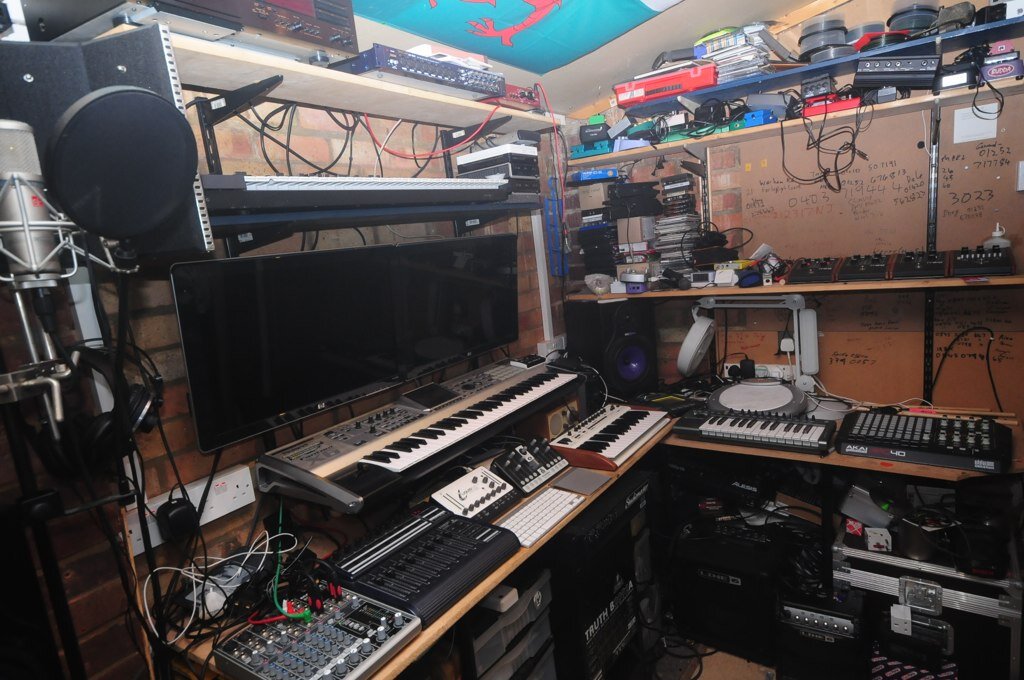
The lo-fi house scene was fueled by a strong do-it-yourself ethos. The rise of affordable software and the availability of vintage hardware meant that producers didn't need a state-of-the-art studio to make compelling music. They could work from their bedrooms, experimenting with old drum machines, cassette recorders, and software plugins that emulated analog gear.
This accessibility had a profound impact on the music. It fostered a culture of experimentation and authenticity. The focus shifted from technical perfection to emotional expression. The raw, unpolished sound became a reflection of its creation process: independent, personal, and direct.
The underground electronic music scene, particularly online, was crucial to the genre's growth. Platforms like SoundCloud, Bandcamp, and YouTube channels became the primary venues for sharing these tracks. This allowed a global community of artists and fans to form around the sound, bypassing traditional record labels and industry gatekeepers. The music spread organically, valued for its unique texture and emotive power rather than its commercial appeal.
Ready to test what you've learned about the origins of this unique sound?
What is a defining characteristic of lo-fi house music that sets it apart from the more polished electronic music of the early 2010s?
The lo-fi house movement prioritized technical perfection and pristine audio quality above all else.
This blend of old and new, perfect and imperfect, defined a new lane in electronic music.