Exploring the Software Oboe
Introduction to Digital Musical Instruments
What Is a Digital Instrument?
For centuries, musical instruments made sound by physical means. A vibrating string, a column of air, or a stretched drumhead produced the notes we heard. Digital musical instruments, or DMIs, work differently. They create sound using computers and software.
A DMI might look like a traditional instrument, such as a piano keyboard, but its inner workings are entirely different. Instead of hammers hitting strings, pressing a key sends a digital signal to a computer. That computer then generates the sound of a piano, or a flute, or something completely new.
This shift began with electronic instruments like the Hammond organ in the 1930s, which used mechanical parts to generate electrical signals. The real revolution came with the microprocessor. Computers became small and powerful enough to not just modify sounds, but to create them from scratch using digital code. This opened up a universe of sonic possibilities.
Hardware Meets Software
Every DMI has two core components: hardware and software. Think of it like a video game. The hardware is the controller you hold in your hands, and the software is the game running on the console.
The hardware is the physical part you touch. It could be a keyboard, a set of drum pads, or even a guitar-shaped controller. Its job isn't to make sound, but to capture your performance—which notes you played, how hard you played them, and for how long. It translates your physical actions into digital information.
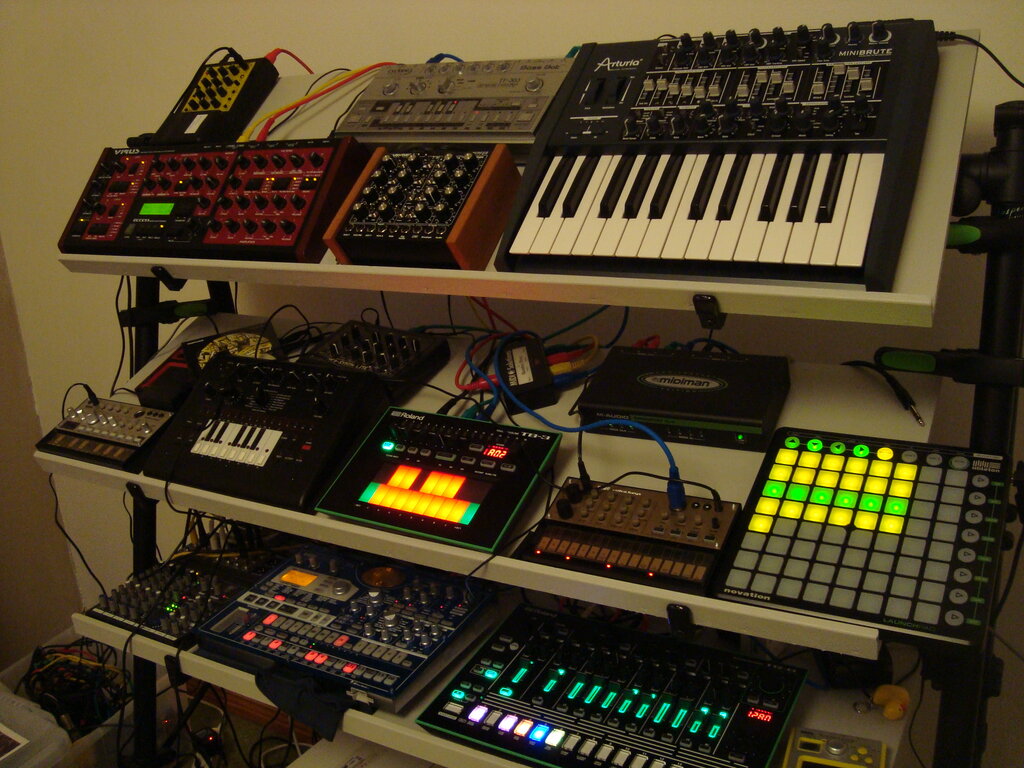
The software is the brain. It takes the information from the hardware and uses it to generate audio. This software can be a program running on a laptop or a specialized computer chip built directly into the instrument. Because the software is separate from the hardware, one physical controller can be used to play an infinite variety of sounds, just by loading a different program.
Why Go Digital?
DMIs offer several advantages that have made them essential tools for modern musicians. One of the biggest is versatility. A single digital keyboard can hold an entire orchestra's worth of sounds, from a concert grand piano to a violin section to a rock drum kit. This saves space and money.
Digital instruments also offer incredible control. Every aspect of a sound can be tweaked and customized. Don't like the reverb on that snare drum? Change it with a click. Want the synthesizer to sound a bit brighter? Adjust the filter. This level of editability allows for precise sound design and easy integration into recording software, known as Digital Audio Workstations (DAWs).
Perhaps most excitingly, DMIs can create sounds that no acoustic instrument ever could, pushing the boundaries of music.
The transition to digital has given artists a powerful and flexible palette. It allows for experimentation and the creation of entirely new musical textures. While acoustic instruments have a timeless appeal, digital tools have become an indispensable part of music production across nearly every genre.
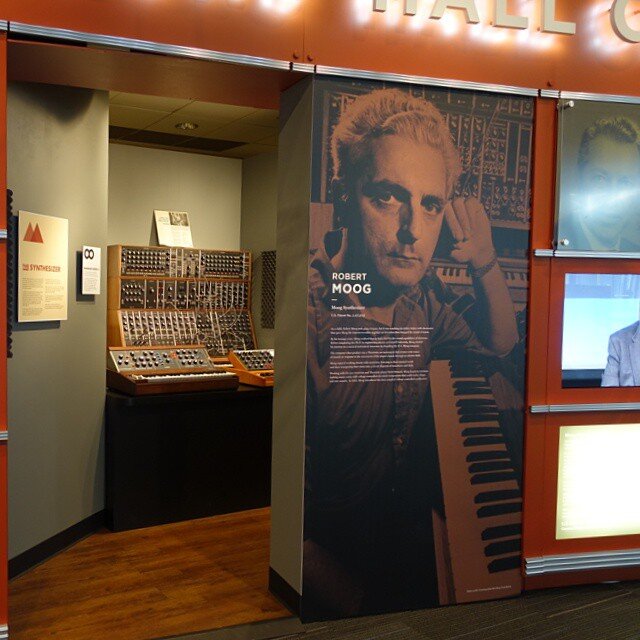
Synthesizers, which create sound from the ground up, are a classic example. Early models were huge, complex machines, but today they can exist entirely as software on a laptop. Drum machines replaced the need for a full drum set in many electronic and pop tracks, while samplers allow artists to record any sound—a car horn, a bird song, a line from a movie—and turn it into a musical note.
From the synthesizers in 80s pop hits to the complex soundscapes of modern film scores, the influence of DMIs is everywhere. They have fundamentally changed how music is made, performed, and recorded.
What is the primary function of the hardware component in a Digital Musical Instrument (DMI)?
A musician uses a single keyboard controller to play the sounds of a piano, then a drum kit, and finally a string orchestra. This best demonstrates which key advantage of DMIs?