Exploring the Oboe
Oboe Origins
From Antiquity to the Orchestra Pit
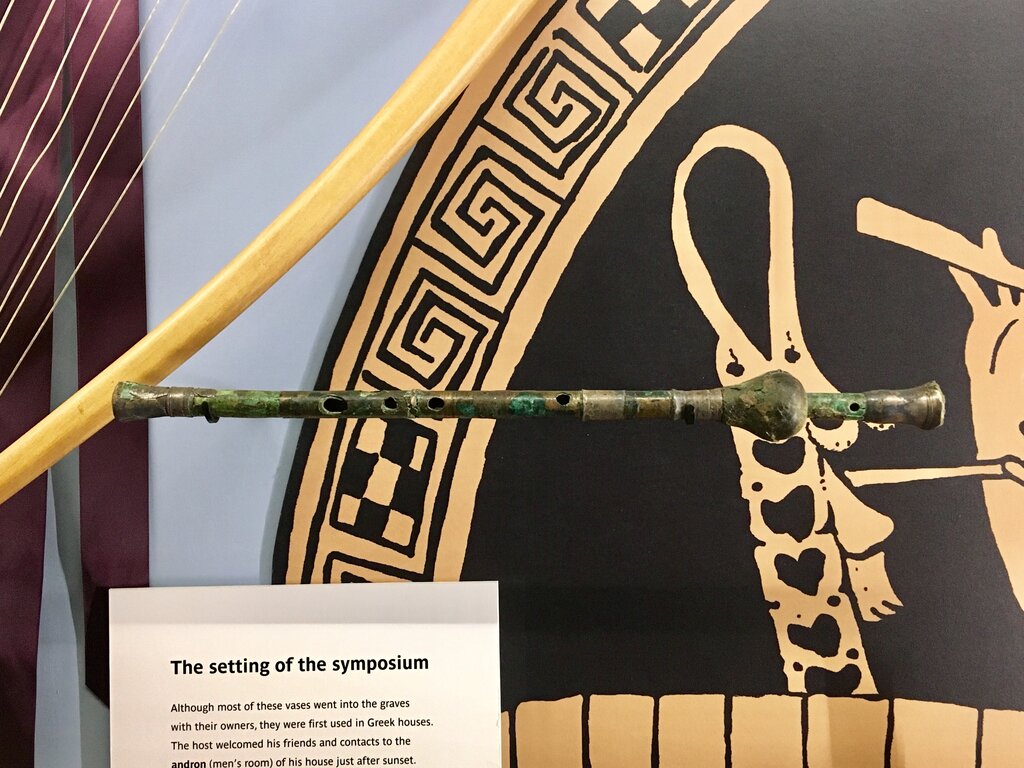
The story of the oboe doesn't start in a concert hall. It begins thousands of years ago with instruments that shared a key feature: a double reed. Ancient civilizations across the globe used double-reed pipes for ceremonies, festivals, and military events. In ancient Greece, the aulos was a prominent instrument, often depicted in art and associated with the god Dionysus. Romans had a similar instrument called the tibia.
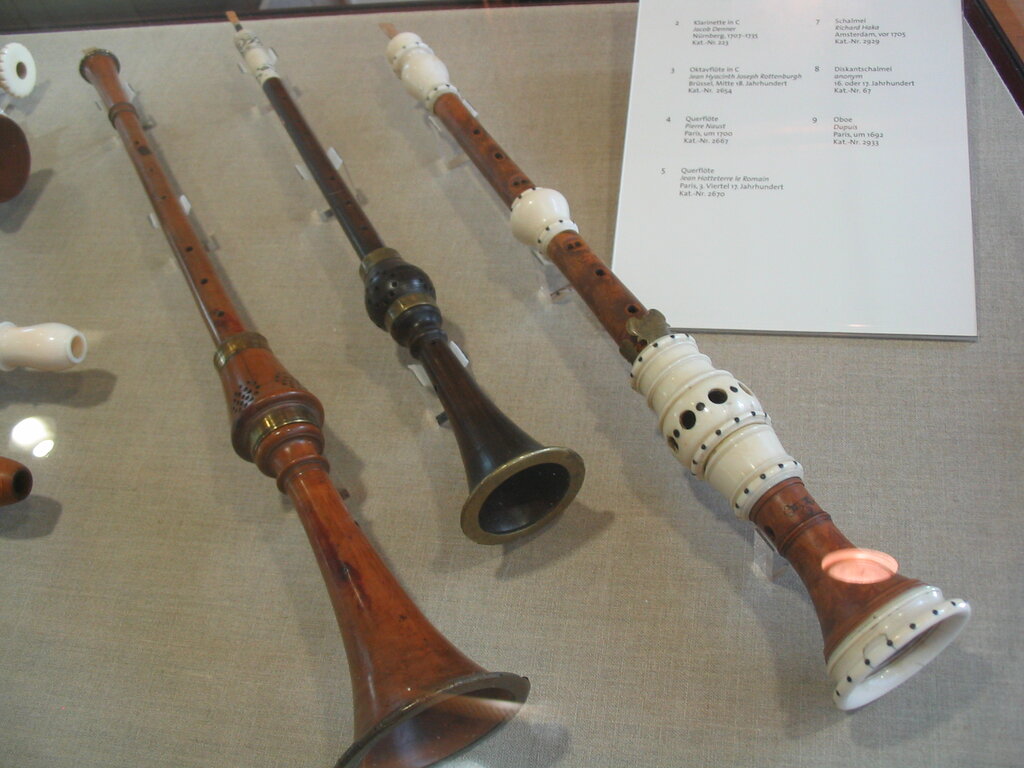
These early instruments were loud and piercing, perfect for outdoor gatherings. Fast forward to medieval Europe, and we meet the shawm. The shawm was the direct forerunner of the oboe and a popular instrument from the 12th to the 17th century. It had a conical bore like the modern oboe but was much simpler in design, with fewer holes and no keys. Its powerful, trumpet-like sound made it a staple in street processions and military bands.
The Birth of the Hautbois
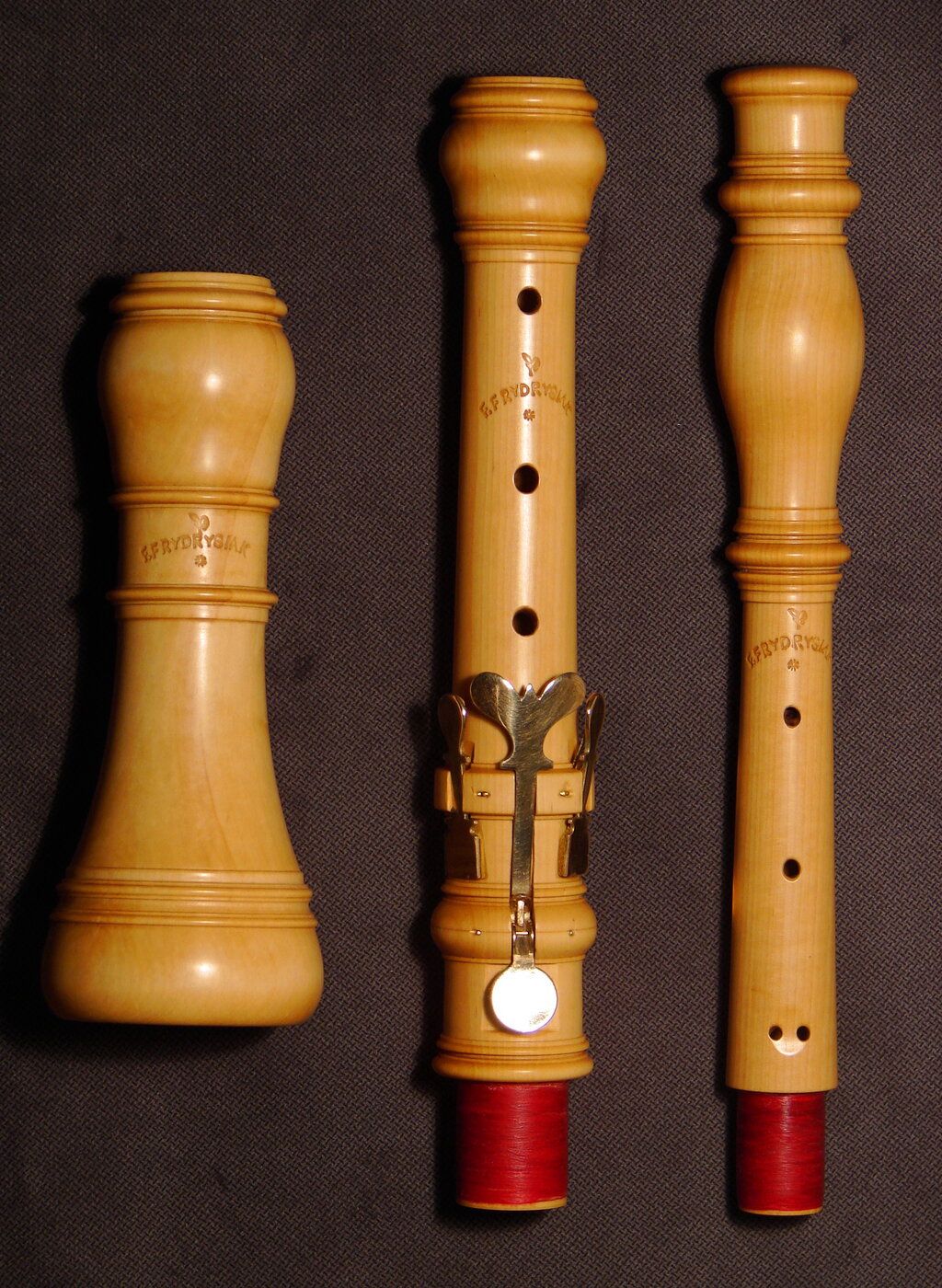
The transition from the boisterous shawm to the more refined oboe happened in mid-17th century France. The instrument was redesigned by French instrument makers, likely from the Hotteterre family, who were famous woodwind makers and players at the court of Louis XIV. They narrowed the instrument's bore, reduced the size of the reed, and divided the body into three sections. This new instrument was called the hautbois, French for "high wood" or "loud wood."
The hautbois had a much sweeter, more nuanced tone than the shawm, making it suitable for indoor chamber music and the newly forming orchestra.
This new instrument quickly gained popularity across Europe. Composers like Jean-Baptiste Lully featured it prominently in his operas and ballets. By the Baroque period, the oboe was a standard member of the orchestra. Johann Sebastian Bach, in particular, loved the oboe for its expressive, voice-like quality and wrote extensive, beautiful solos for it in his cantatas and orchestral works.
Refinement and Modernization
During the 18th and 19th centuries, the oboe continued to evolve. The Industrial Revolution brought advancements in tool-making, which allowed for more precise and complex keywork. Instrument makers began adding keys to improve tuning and allow players to navigate difficult passages more easily.
The most significant changes came from workshops in Paris. The Triébert family, in particular, made crucial modifications throughout the 1800s. They experimented with the bore and key systems, eventually developing the "conservatoire system" oboe, which became the standard model used today. This design provided greater agility, a more consistent tone, and better intonation across the instrument's range.
While the oboe is a cornerstone of the classical orchestra, its distinctive voice has found a home in other genres. It appears in folk music traditions around the world, adds a unique color to jazz ensembles, and is used frequently in film scores to evoke feelings of nostalgia, tenderness, or pastoral beauty.
Ready to test your knowledge of the oboe's journey through time?
What was the direct medieval forerunner of the oboe, known for its powerful, trumpet-like sound?
The transition from the shawm to the more refined oboe, then called the hautbois, occurred in the mid-17th century. In which country did this transformation take place?
From a loud outdoor pipe to a refined orchestral voice, the oboe's evolution reflects centuries of musical and technological change.