Exploring the NKJV Bible
Introduction to Bible Translations
The First English Bibles
For centuries, the Bible was a closed book for most English-speaking people. It was written in Latin, the language of the church and scholars, not the common person. The earliest efforts to change this were risky. In the late 1300s, John Wycliffe and his followers created the first full English translation, painstakingly copied by hand. These Bibles were banned and burned, and their owners were persecuted.
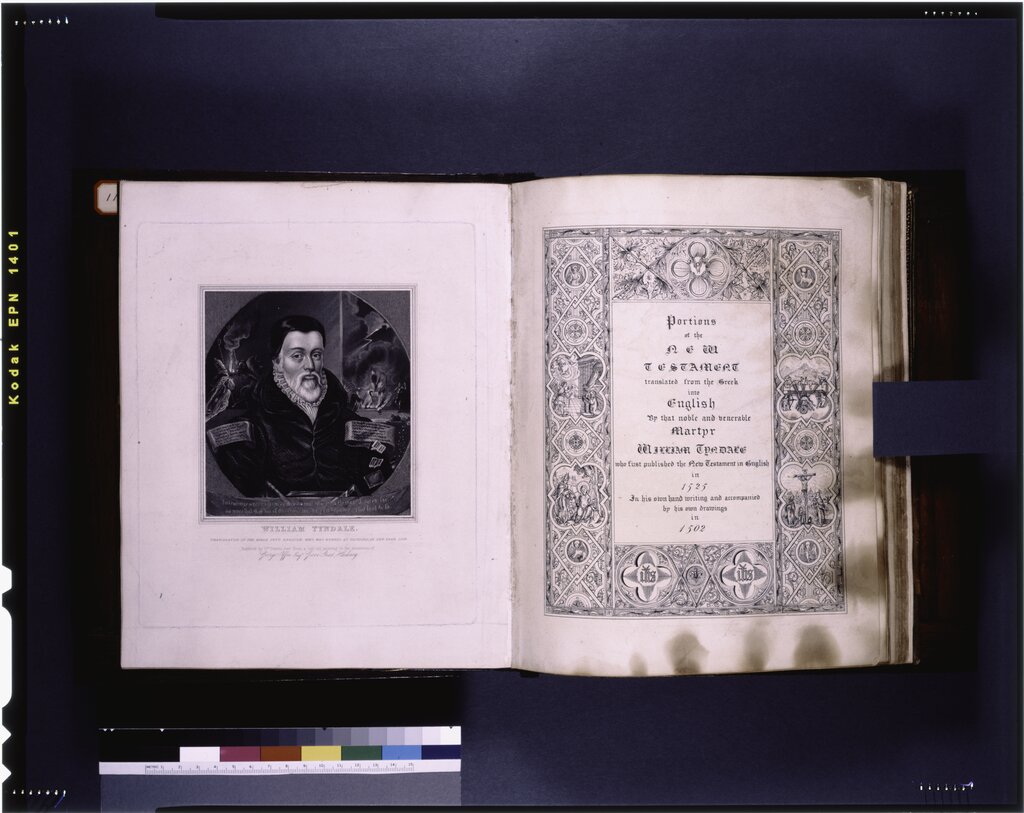
The invention of the printing press changed everything. Now, books could be mass-produced. A scholar named William Tyndale was determined to create an English Bible translated directly from the original Greek and Hebrew texts. Facing intense opposition in England, he fled to Europe to complete his work. His New Testament, published in 1526, was smuggled back into the country. Tyndale's translation was clear, powerful, and accessible. It was also illegal. For his efforts, he was eventually captured, strangled, and burned at the stake. Yet, his work lived on, forming the foundation for nearly every major English Bible translation that followed.
A Version for a King
By the early 1600s, England was home to several competing English Bible translations. This created confusion and conflict. When King James I took the throne, he saw the need for a single, authorized version that could unite the church. He commissioned a massive project, bringing together about 50 of the best scholars in the kingdom.
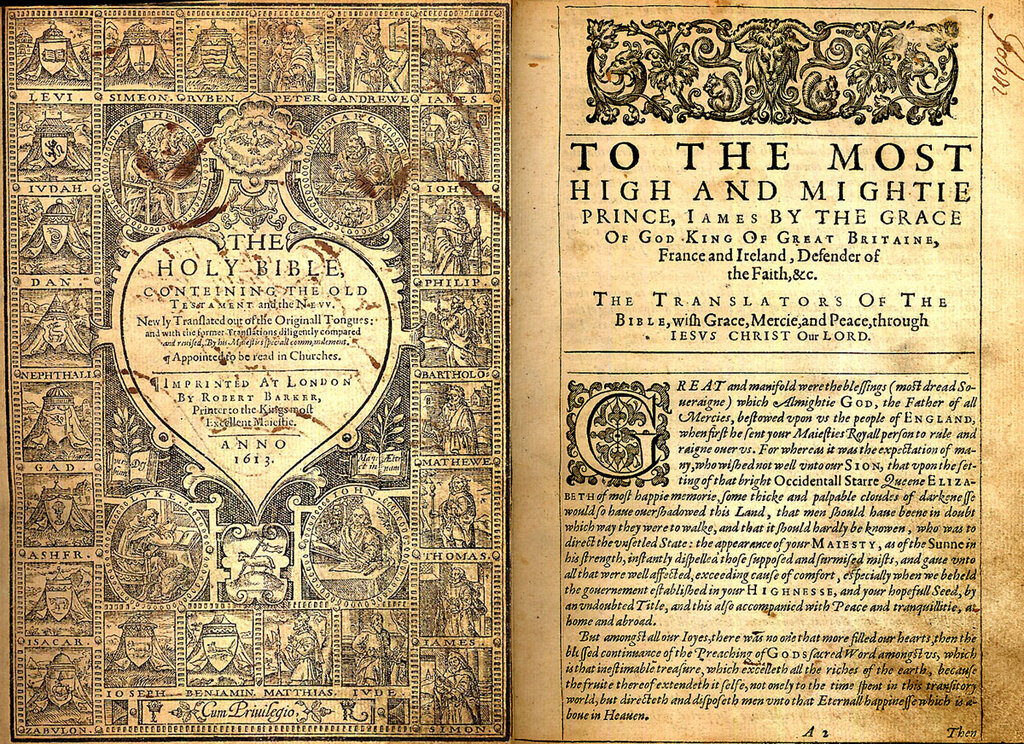
The King James Bible, first published in 1611, stands as one of the most influential texts in English-speaking history.
The translators didn't start from scratch. They built upon the best work of those who came before, especially William Tyndale. Their goal was to create a version that was accurate to the original languages but also majestic and beautiful in English. The result, the King James Version (KJV), was a masterpiece. Its poetic language and memorable phrases have echoed through literature, speeches, and everyday conversation for over 400 years.
The Quest for Clarity
Language is always changing. Words and phrases that were common in 1611 can be confusing or even misleading to modern readers. For example, in the KJV, the word "suffer" often means "to allow," and "let" can mean "to prevent." As centuries passed, the need for translations in contemporary English grew.
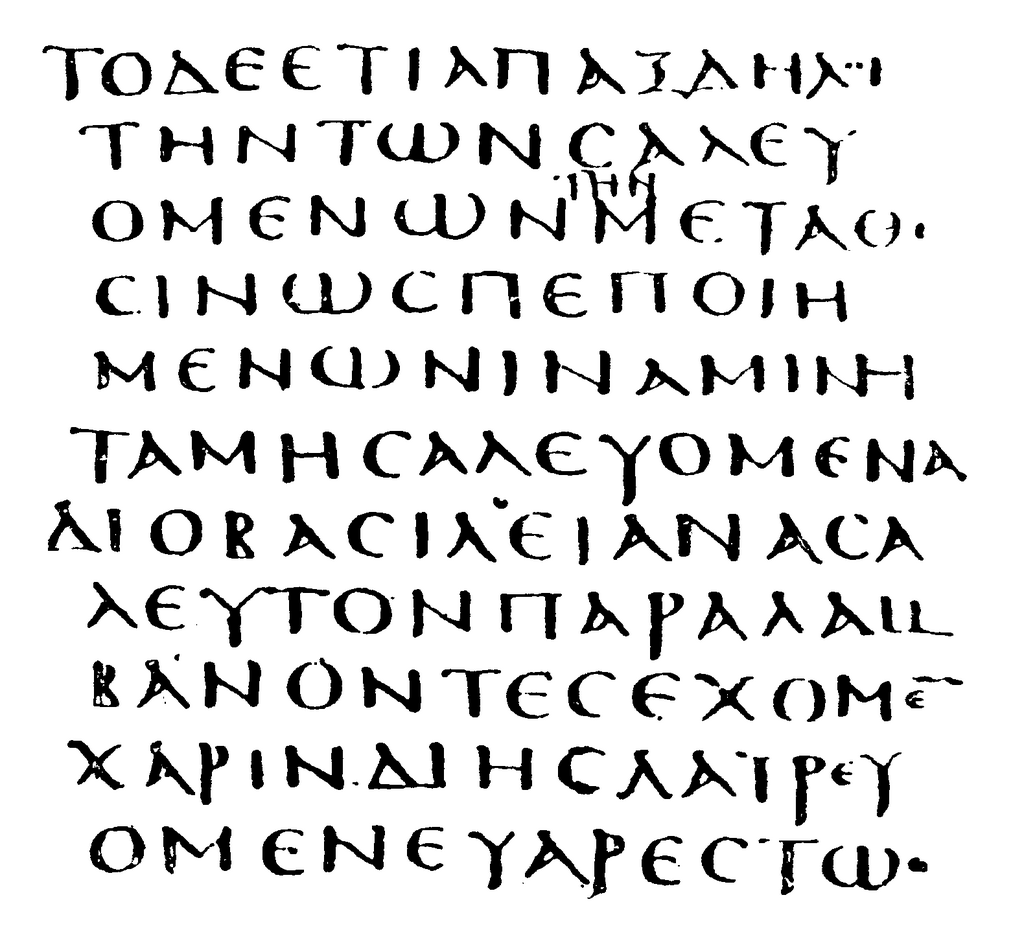
Discoveries in archaeology also played a major role. Scholars found manuscripts of biblical texts that were much older and closer to the original writings than what the KJV translators had available. Texts like the Codex Sinaiticus, a complete Greek New Testament from the 4th century, provided a clearer window into the original words of Scripture. This new knowledge fueled a desire for translations that were not only in modern English but were also based on the most accurate and ancient sources available.
This led to a wave of new translations in the 20th century, such as the Revised Standard Version (RSV) and the New International Version (NIV), each aiming to bring the ancient text to life for a new generation.
Two Roads to Translation
How do you take words written in an ancient language and bring them into a new one? Translators generally follow one of two main philosophies. These approaches aren't opposites, but rather two ends of a spectrum.
Formal Equivalence
other
A word-for-word translation philosophy. The goal is to stick as closely as possible to the structure and wording of the original Hebrew, Aramaic, and Greek texts. This approach preserves historical and theological details but can sometimes result in awkward phrasing in the new language. The KJV is a classic example of this method.
Dynamic Equivalence
other
A thought-for-thought translation philosophy. The priority is to convey the original meaning and intent of the text in natural-sounding language, even if it means not following the original wording exactly. This approach is often easier to read and understand, but it requires the translator to make more interpretive decisions.
Imagine a Greek phrase that literally translates to "gird up the loins of your mind." A formal equivalence translation might keep that exact wording. A dynamic equivalence translation might render it as "prepare your minds for action," capturing the meaning of the idiom in a way that's immediately clear to a modern reader. Both approaches have value, and understanding them helps explain why different Bibles can read so differently.
To review the key ideas from this introduction, check out the flashcards and quiz below.
Who created the first full translation of the Bible into English, which was then copied by hand?
What was a major advantage William Tyndale had that John Wycliffe did not?
This long history of passion, scholarship, and discovery sets the stage for all modern translations, each one seeking to faithfully present the timeless words of the Bible to its own generation.