Exploring the Letter H
Origins and Evolution
From Fence to Letter
The story of the letter 'H' begins over 3,000 years ago with a picture of a fence. In early Semitic languages, like Proto-Sinaitic, the symbol for the sound /ħ/ (a throaty, breathy sound not found in English) was a pictograph representing a fence or courtyard. This character was known as ḥēth.
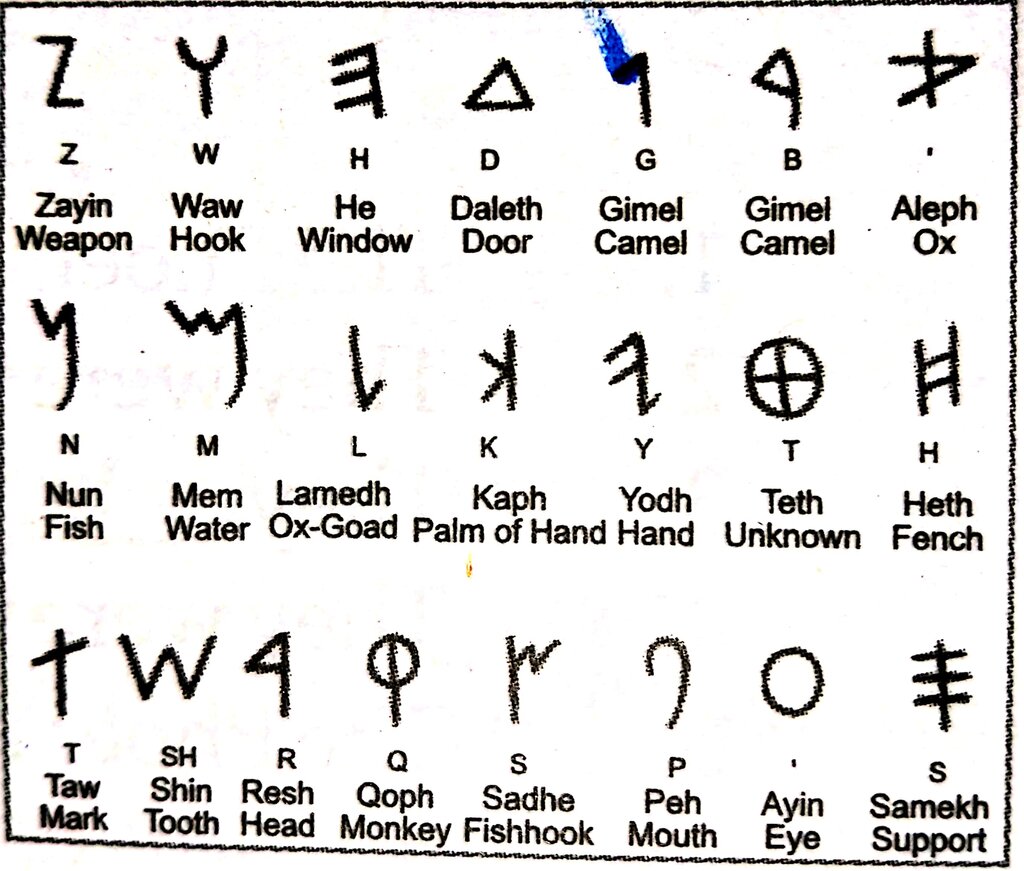
The Phoenicians, skilled traders and sailors, adopted and simplified this script. Their letter, called ḥēt, became a more abstract symbol, like a box with a line through the middle. For them, it consistently represented that same guttural /ħ/ sound. This streamlined alphabet was much easier to write and learn, and it spread quickly across the Mediterranean.
The Greek Twist
When the Greeks adopted the Phoenician alphabet, they ran into a small problem. They didn't have the /ħ/ sound in their language. Instead of discarding the letter, they repurposed it. Initially, they used the symbol (Η) for the /h/ sound, like in the English word "hat." They called this letter heta.
But language is always changing. In some influential Greek dialects, like Ionian, the /h/ sound at the beginning of words began to disappear from speech. This left the letter heta without a job. So, it was repurposed once again, this time to represent the long vowel sound /ɛː/, similar to the 'a' in "gate." The letter was renamed eta.
To mark words that still began with an /h/ sound, the Greeks invented a diacritic mark called a rough breathing ( ̔ ), which looked like a tiny opening parenthesis placed over the initial vowel.
Landing in Latin
The journey of 'H' didn't end there. The Etruscans, who lived in ancient Italy, borrowed the Greek alphabet. They, in turn, passed it on to the Romans. The Romans adopted the letter from a version of the Greek alphabet that still used 'H' for the /h/ sound, not as the vowel eta.
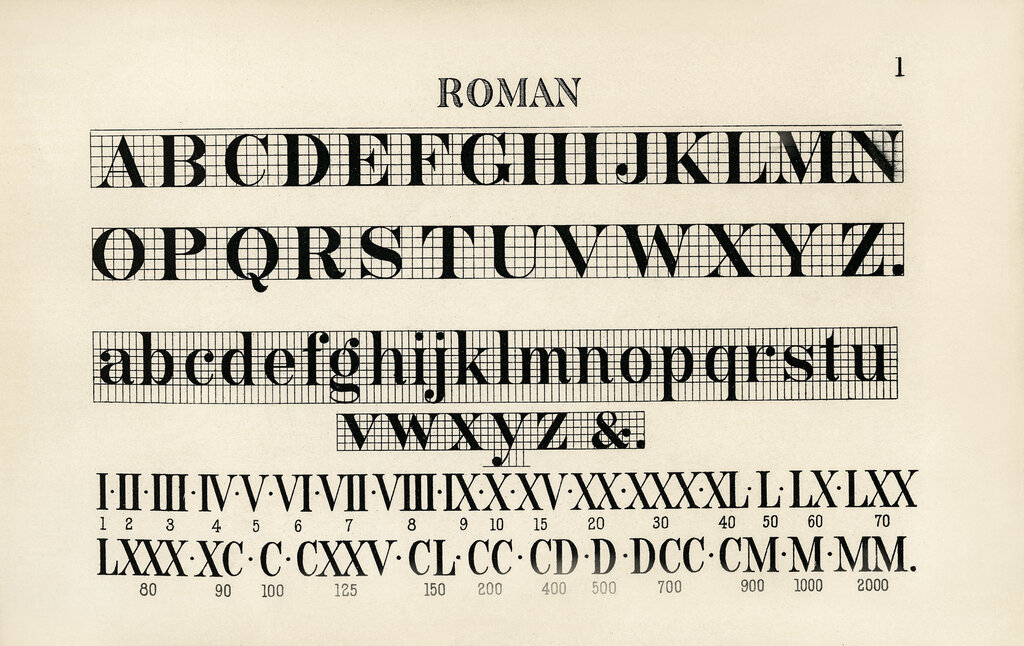
In Latin, the letter 'H' settled into its role representing the voiceless glottal fricative, the familiar /h/ sound we know. However, even in Latin, the sound was considered weak. Over time, as Latin evolved into the Romance languages like French, Spanish, and Italian, the /h/ sound often became silent, even though the letter 'H' was kept in spelling for historical reasons. This ancient journey from a fence pictograph to a repurposed vowel and finally to a sometimes-silent consonant explains why 'H' has such a varied history.
Let's test your knowledge on the evolution of this well-traveled letter.
What object did the earliest form of the letter 'H' represent in Proto-Sinaitic?
In the evolution of Greek, the letter H (Eta) was repurposed. What sound did it come to represent in the Ionian dialect?