Exploring the Hebrew Torah
Introduction to the Torah
The Heart of Jewish Teaching
At the core of Judaism is a foundational text known as the Torah. While the word is often used to refer to all of Jewish learning, its most specific meaning is the first five books of the Hebrew Bible. These books are also known as the Pentateuch or the Five Books of Moses.
Instruction / Teaching
The name itself reveals its purpose. 'Torah' comes from the Hebrew word for 'instruction' or 'teaching.' It's not just a history book or a set of laws, but a guide for living. According to tradition, the Torah is the divine revelation given by God to Moses at Mount Sinai. It contains the stories, laws, and ethical principles that form the basis of Jewish belief and practice.

These five books lay the groundwork for the entire biblical narrative and the development of Judaism.
The Five Books
Each of the five books has a distinct focus, contributing to a sweeping narrative that begins with the creation of the world and ends with the Israelites poised to enter the Promised Land.
| Book (English) | Book (Hebrew) | Focus |
|---|---|---|
| Genesis | Bereishit (בראשית) | The story of creation, early human history, and the lives of the patriarchs and matriarchs. |
| Exodus | Shemot (שמות) | The enslavement of the Israelites in Egypt, their liberation led by Moses, and the revelation at Mount Sinai. |
| Leviticus | Vayikra (ויקרא) | Laws concerning priests, rituals, sacrifices, and moral purity. |
| Numbers | Bamidbar (במדבר) | The Israelites' journey through the wilderness for forty years and the census of the people. |
| Deuteronomy | Devarim (דברים) | A series of farewell speeches by Moses, restating the laws and history before the Israelites enter the Promised Land. |
Together, these books form a single, continuous story. They establish the covenant, or special relationship, between God and the Jewish people.
A Guide for Life
The Torah's significance extends far beyond its stories. It is the primary source for Jewish law, known as halakha. This legal and ethical framework governs all aspects of life, from major holidays and life-cycle events to daily routines like prayer and diet.
halakha
noun
The collective body of Jewish religious laws derived from the Written and Oral Torah, including the 613 mitzvot ('commandments').
The Torah contains 613 commandments, or mitzvot, that shape Jewish ethics and rituals. These range from broad ethical principles like “You shall love your neighbor as yourself” (Leviticus 19:18) to specific ritual observances. The Torah is the ultimate authority, the foundation upon which centuries of rabbinic interpretation and legal discussion are built.
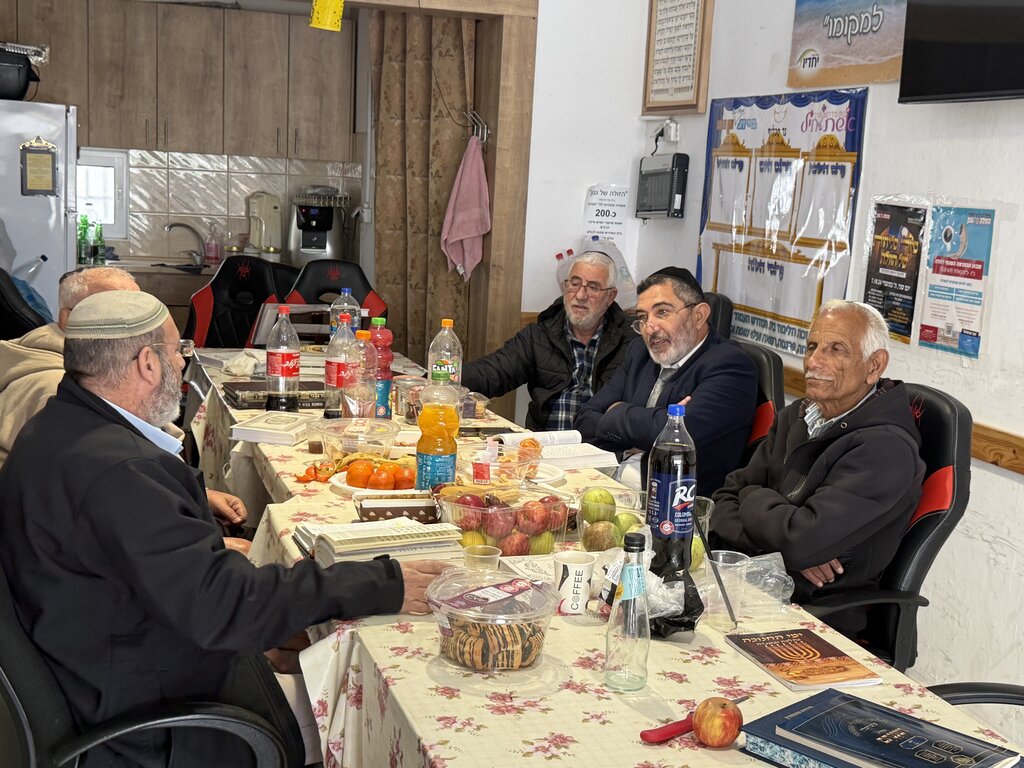
In daily Jewish life, the Torah's influence is constant. Portions of it are read aloud in the synagogue every week, following a cycle that completes the entire text each year. It is studied individually and in groups, providing a continuous source of reflection and connection to tradition. Life events, like a bar or bat mitzvah, are marked by the young person reading from the Torah, symbolizing their entry into the adult Jewish community.
From defining the weekly Sabbath to outlining the major festivals, the Torah provides the rhythm and structure of the Jewish calendar and the spiritual life of the community.
Now, let's review what we've learned about this foundational text.
The term 'Torah' most specifically refers to which part of the Hebrew Bible?
The Hebrew word 'Torah' is best translated as: