Exploring the Gospel of John ESV
Introduction to the Gospel of John
A Unique Perspective
The Gospel of John stands apart from the other three accounts of Jesus' life in the New Testament. While Matthew, Mark, and Luke share a similar structure and many of the same stories, John offers a distinct and deeply theological look at who Jesus is.
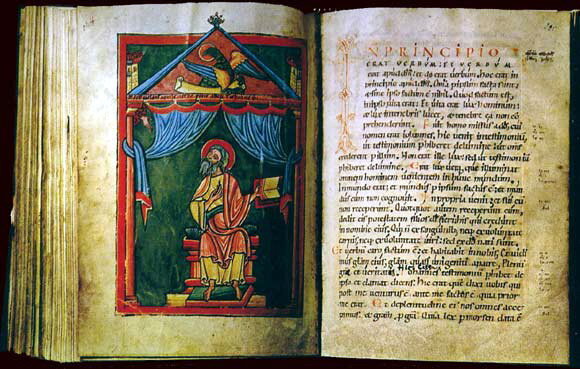
Tradition holds that this Gospel was written by John, the son of Zebedee, one of Jesus' closest disciples. He was an eyewitness to the events he describes. Scholars believe the book was completed late in the first century, somewhere between A.D. 70 and 100, likely from the city of Ephesus in modern-day Turkey. This late date means John was writing with decades of reflection on the meaning of Jesus' life and ministry.
The Greco-Roman World
To understand John's Gospel, we have to picture the world it was written for. The Roman Empire connected a vast and diverse range of cultures. Greek was the common language of trade and ideas, and people from different religious backgrounds lived side-by-side.
To avoid misinterpreting scripture, focus on understanding the historical and cultural background of the biblical texts.
John wrote for a mixed audience. He addressed Jewish readers who were steeped in the Old Testament scriptures, using familiar concepts like the temple, feasts, and the figure of Moses. But he also wrote for non-Jews, often called Gentiles, explaining Jewish customs and using universal ideas like light, life, and truth to communicate his message. He was building a bridge between different worlds.
John vs. the Synoptics
The first three Gospels—Matthew, Mark, and Luke—are known as the Synoptic Gospels. "Synoptic" means "seeing together," and they present a similar timeline and focus on Jesus' ministry in Galilee. John's account is different by design. He doesn't contradict the Synoptics; he complements them.

While the Synoptics often show Jesus' divinity through his actions, John emphasizes it from the very first verse, calling Jesus the "Word" who was with God and was God. He includes long, detailed conversations and speeches from Jesus that aren't found anywhere else, revealing deeper layers of his teaching. John also features unique miracles, like turning water into wine and raising Lazarus from the dead, which he calls "signs" pointing to Jesus' true identity.
| Feature | Synoptic Gospels (Matthew, Mark, Luke) | Gospel of John |
|---|---|---|
| Opening | Focus on Jesus' birth or baptism. | Begins before creation, with the divine "Word." |
| Main Focus | Jesus' ministry, parables, and miracles in Galilee. | Jesus' identity, divinity, and long discourses. |
| Key Events | Many shared stories and parables. | Unique events like turning water to wine. |
| Style | More of a historical narrative. | More reflective and theological. |
The Purpose of the Gospel
John is upfront about why he wrote his book. He wasn't just recording history. He had a clear goal in mind for his readers.
But these are written so that you may come to believe that Jesus is the Messiah, the Son of God, and that through believing you may have life in his name. (John 20:31)
Every story, every conversation, and every "sign" in this Gospel is carefully chosen to build a case. John wants to lead his audience to a point of decision: to believe that Jesus is not just a prophet or a good teacher, but the divine Son of God who offers eternal life.
According to tradition, the Gospel of John was written by which individual?
The first three Gospels (Matthew, Mark, and Luke) are known as the Synoptic Gospels. John's Gospel is not considered a Synoptic Gospel because it complements the others rather than contradicting them.
With this background in mind, we can better appreciate the unique contribution of John's Gospel to the story of Jesus.