Exploring the ESP32 Microcontroller
Introduction to ESP32
Meet the ESP32
At the heart of many modern smart devices, from light bulbs you can control with your phone to wearable fitness trackers, you'll often find a tiny, powerful chip. One of the most popular is the ESP32. Think of it as a miniature, low-cost computer designed specifically to connect to the physical world.
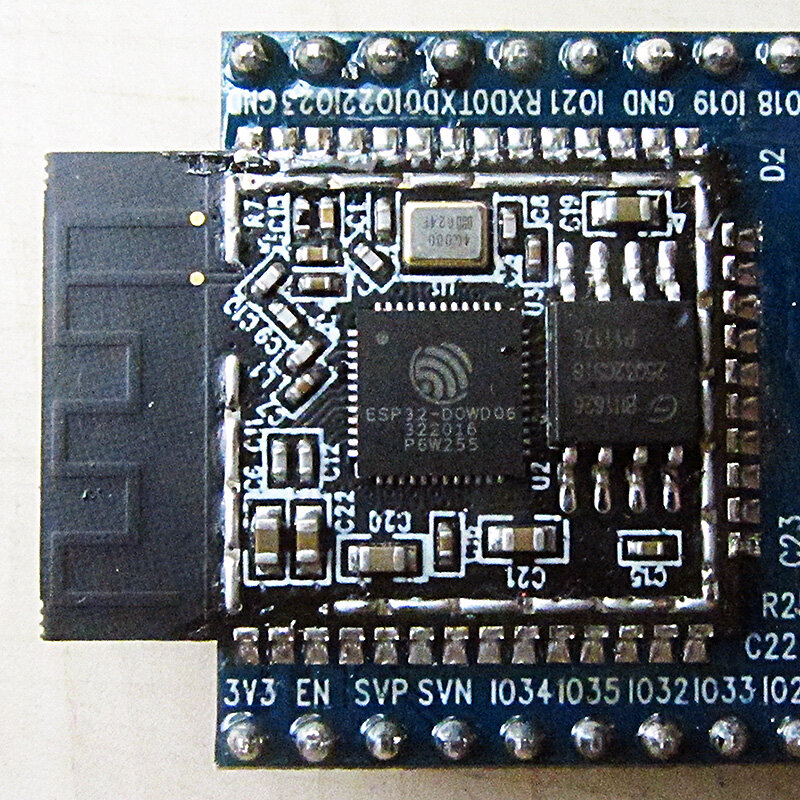
The ESP32 is a microcontroller, a compact integrated circuit that contains a processor, memory, and input/output peripherals on a single chip. While many microcontrollers can perform simple tasks, the ESP32 packs an impressive amount of power and features into its small size, making it a favorite for hobbyists and professionals alike.
Power and Connectivity
What makes the ESP32 stand out? A big reason is its dual-core processor. This means it has two processing units working together, allowing it to handle multiple tasks simultaneously. For example, one core can manage connecting to a Wi-Fi network while the other processes data from a sensor or controls a motor. This parallel processing makes projects more responsive and reliable.
But the real magic of the ESP32 is its built-in wireless communication.
With integrated Wi-Fi and Bluetooth, the ESP32 can connect your projects to the internet or your smartphone right out of the box, no extra hardware needed.
This opens up a world of possibilities for the Internet of Things (IoT). You can build a weather station that uploads data to the cloud, a smart lock you can control from an app, or a device that sends you a notification when your pet leaves a designated area. The ESP32 supports both classic Bluetooth and Bluetooth Low Energy (BLE), making it ideal for communicating with a wide range of devices.
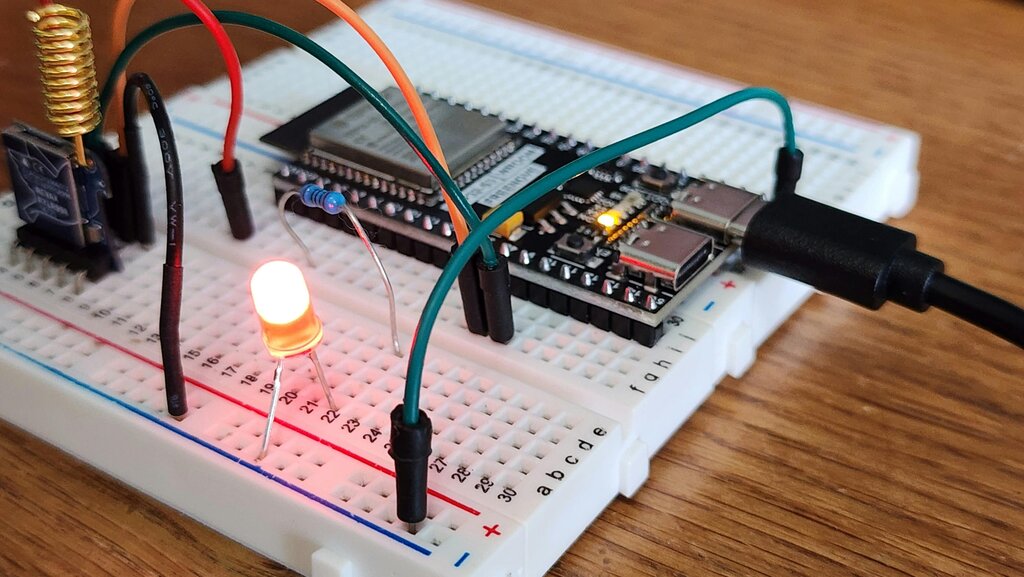
To interact with other electronic components like sensors, lights, and motors, the ESP32 uses General Purpose Input/Output (GPIO) pins. These are the physical connection points along the sides of the board. The ESP32 offers a generous number of them, and many can be configured for different functions, such as reading analog sensor values, sending pulse-width modulation signals to control motor speed, or communicating with other chips.
Why It's a Go-To Choice
The combination of power and connectivity would be less useful if the chip drained batteries in minutes. Fortunately, the ESP32 is designed for low power consumption. It features several deep sleep modes that allow it to shut down most of its functions and draw a tiny amount of current, waking up only when needed. This is critical for battery-powered applications like remote sensors or wearable tech that need to run for weeks or months on a single charge.
ESP32 is the most integrated solution for Wi-Fi + Bluetooth applications in the industry with less than 10 external components.
This high level of integration is what makes the ESP32 so versatile and cost-effective. Because Wi-Fi, Bluetooth, and processing are all on one chip, you need fewer external parts. This simplifies circuit design and lowers the overall cost of a project. Whether you're building a simple gadget or a complex network of smart devices, the ESP32 provides a powerful, affordable, and flexible foundation.
Now let's check your understanding of the ESP32's capabilities.
What is the primary advantage of the ESP32's dual-core processor architecture?
True or False: The ESP32's built-in wireless capabilities are limited to Wi-Fi only.
With its blend of processing power, wireless connectivity, and energy efficiency, the ESP32 is a remarkable tool for bringing electronic ideas to life.