Exploring the Depths of Jungian Psychology
Introduction to Jungian Psychology
A Map of the Psyche
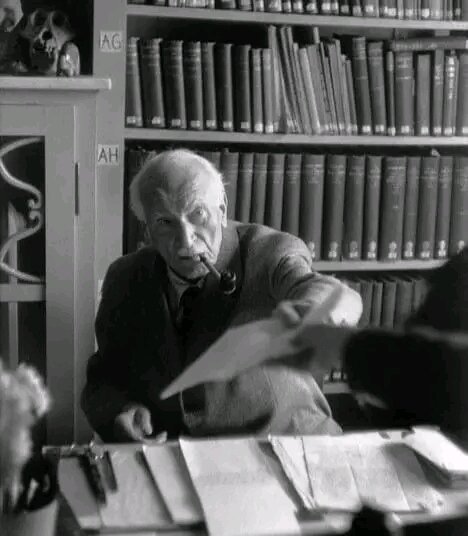
Carl Jung, a Swiss psychiatrist, viewed the psyche as a vast, multi-layered landscape. To understand his work, we first need to look at his map. He divided the mind into three main regions: the conscious, the personal unconscious, and the collective unconscious.
The conscious mind is the part you know best. It’s your awareness in the present moment. It includes all the thoughts, feelings, and memories you currently have access to. Jung called the center of this consciousness the Ego. The Ego is your sense of self, your identity. It's the part of you that feels like "I."
Think of the conscious mind as the lit room you're sitting in. Everything inside it is clear and visible. It's where you do your active thinking and decision-making.
Beneath the Surface
Just outside the lit room is the personal unconscious. This layer contains everything you've experienced but aren't currently thinking about. It holds memories that are temporarily forgotten, like what you ate for breakfast last Tuesday, as well as experiences that were intentionally suppressed, perhaps because they were unpleasant or seemed unimportant.
This is your personal storage space. It’s unique to you, shaped by your life. It contains forgotten memories, subliminal perceptions, and repressed feelings. These contents, while not in your immediate awareness, can still influence your thoughts and behaviors.
Your personal unconscious is like a filing cabinet of your own life's events. You don't look at every file all the time, but they are all there, stored away.
The Deepest Layer
Jung's most groundbreaking idea was the collective unconscious. He proposed that beneath our personal unconscious lies a deeper, universal layer shared by all of humanity. This isn't built from our personal experiences. Instead, it’s inherited.
He saw it as a kind of psychic blueprint passed down through generations. It contains the shared memories and experiences of the human species, a common heritage that connects us all. This is why certain symbols, myths, and stories resonate across vastly different cultures and throughout history. They tap into this shared foundation.
The collective unconscious is a unique component in that Jung believed that this part of the psyche served as a form of psychological inheritance.
Visualizing these three parts can help clarify how they relate. The conscious mind is the smallest and most accessible part. Below it lies the larger personal unconscious, and deeper still is the vast, universal collective unconscious.
This three-part structure of the psyche is the foundation for understanding all of Jung's other major concepts. It's a map that helps navigate the complexities of human experience, from our everyday thoughts to our deepest, shared instincts.
According to Carl Jung, which part of the psyche is the center of consciousness and provides our sense of self or "I"?
What is the key difference between the personal unconscious and the collective unconscious?