Exploring the Cosmos
Introduction to Astronomy
A Look Back in Time
For most of human history, we believed Earth was the center of everything. The Sun, Moon, planets, and stars all seemed to circle around us. This idea, known as the geocentric model, made sense based on what people could see with their own eyes.
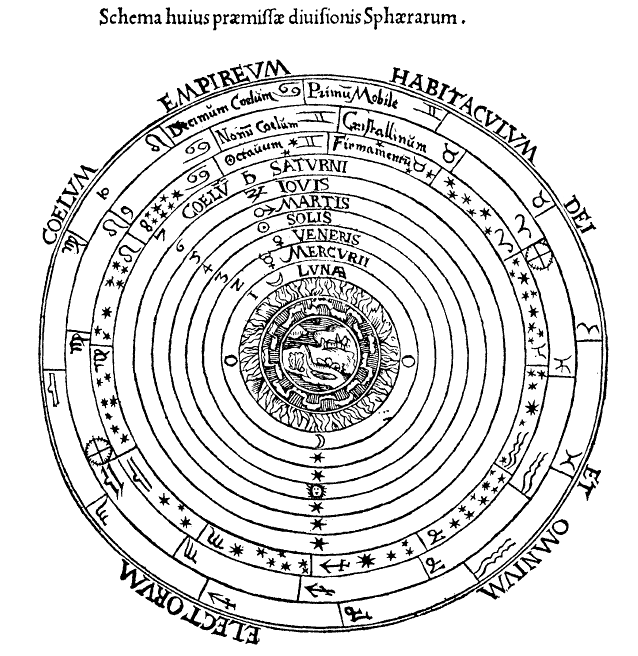
This view held for over 1,500 years. Then, in the 16th century, Nicolaus Copernicus proposed a radical new idea: the Sun was at the center, and Earth was just another planet orbiting it. This is the heliocentric model.
Initially, this idea was met with fierce resistance. But then came astronomers like Galileo Galilei, who used one of the first telescopes to make groundbreaking discoveries. He saw moons orbiting Jupiter, proving that not everything revolved around Earth. He also observed the phases of Venus, which only made sense if Venus orbited the Sun.
These observations, powered by the new technology of the telescope, provided strong evidence for the heliocentric model and marked the beginning of modern astronomy.
Our Cosmic Address
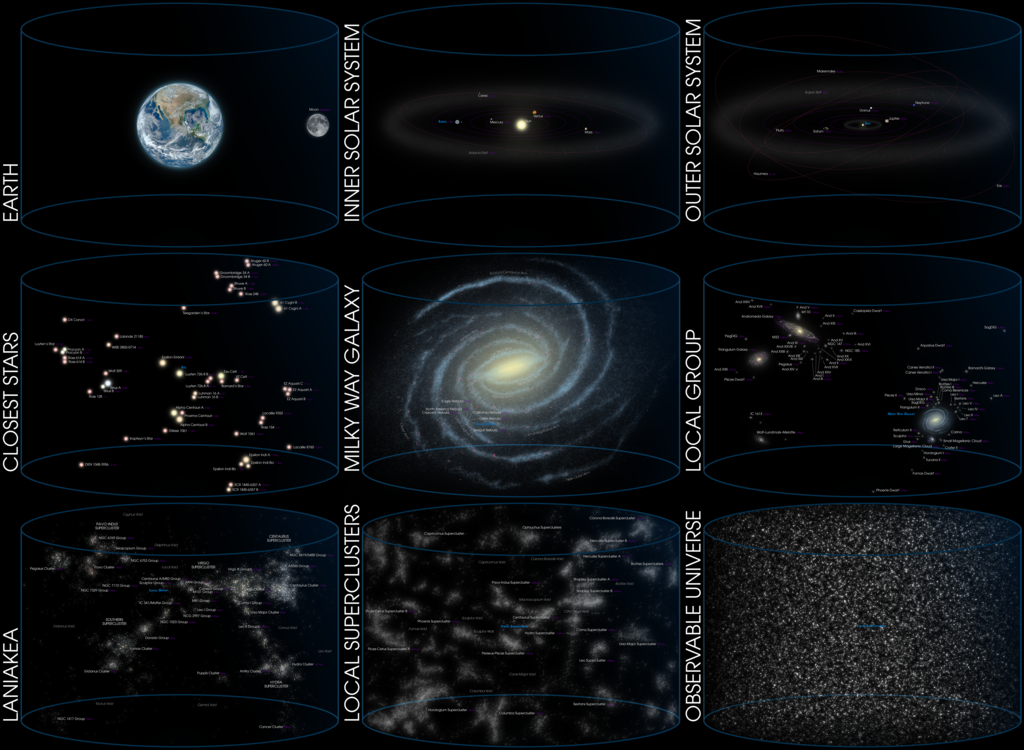
So where are we in this vast universe? It helps to think of it as a series of nested structures, like a cosmic address.
Earth is a planet orbiting a star we call the Sun. Our Sun is just one of hundreds of billions of stars in a vast, swirling collection called the Milky Way galaxy.
galaxy
noun
A gravitationally bound system of stars, stellar remnants, interstellar gas, dust, and dark matter.
But the Milky Way isn't alone. It's part of a small cluster of about 50 galaxies called the Local Group. And the Local Group is just one of many in a much larger structure called the Laniakea Supercluster, which contains about 100,000 galaxies.
Superclusters themselves are not scattered randomly. They are arranged in a vast, web-like structure of filaments and voids, often called the cosmic web. This is the largest known structure in the universe.
How We See the Universe
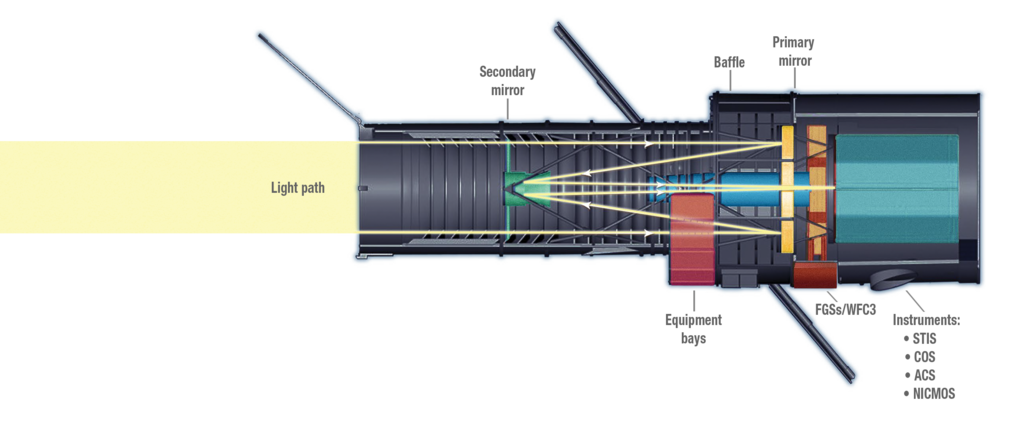
How do we know all this? Astronomers are cosmic detectives, gathering clues in the form of light. Most astronomy for centuries relied on optical telescopes, which collect visible light—the same kind of light our eyes can see. A telescope is essentially a light bucket. The larger the bucket (its primary mirror or lens), the more light it can collect, allowing us to see fainter and more distant objects.
But visible light is just one small part of the story. Stars and galaxies emit energy across the entire electromagnetic spectrum, from low-energy radio waves to high-energy gamma rays. Many of these wavelengths are blocked by Earth's atmosphere.
To see the universe in these other forms of light, we send telescopes into space. Radio telescopes on the ground can map clouds of cool gas where stars are born. X-ray telescopes in orbit can spot black holes gobbling up matter. By combining observations from different types of telescopes, astronomers can build a much more complete picture of celestial objects and events.