Exploring the Concept of God
Introduction to the Concept of God
What Is a God?
The idea of a 'god' or 'deity' is one of the oldest in human history, but it doesn't mean the same thing to everyone. In the broadest sense, a deity is a supernatural being, considered divine or sacred. Some people think of God as a single, all-powerful creator. Others see a whole family of gods and goddesses, each with their own role in the universe. And for some, the divine isn't a 'being' at all, but rather a fundamental force or the underlying reality of existence.
Deity
noun
A god or goddess; a supernatural being considered divine or sacred.
These concepts aren't just abstract ideas. They shape how people understand the world, their place in it, and how they should live their lives. Belief systems built around deities have inspired art, structured societies, and guided moral codes for millennia.
One God or Many
One of the most basic distinctions in how people conceive of the divine is the number of gods they believe in. This split leads to two major categories: monotheism and polytheism.
Monotheism is the belief in one, single God. Polytheism is the belief in multiple gods and goddesses.
In monotheistic traditions, like Judaism, Christianity, and Islam, the one God is typically seen as the creator of everything and is often described as all-knowing, all-powerful, and present everywhere. In contrast, polytheistic systems, such as those of ancient Greece, Rome, and Egypt, feature a pantheon of deities. These gods often have distinct personalities, domains of influence, and relationships with one another, much like a divine family.
| Feature | Monotheism | Polytheism |
|---|---|---|
| Number of Gods | One | Many |
| Nature of Divine | A single, often universal being | A collection of distinct gods/goddesses |
| Divine Power | Centralized in one being | Distributed among various deities |
| Common Examples | Judaism, Christianity, Islam | Ancient Greek, Roman, and Norse religions |
While Hinduism is often seen as polytheistic due to its vast array of gods and goddesses, some of its schools of thought are monotheistic or henotheistic, where one supreme god is worshipped without denying the existence of others. This shows how these categories can sometimes be more fluid than they seem.
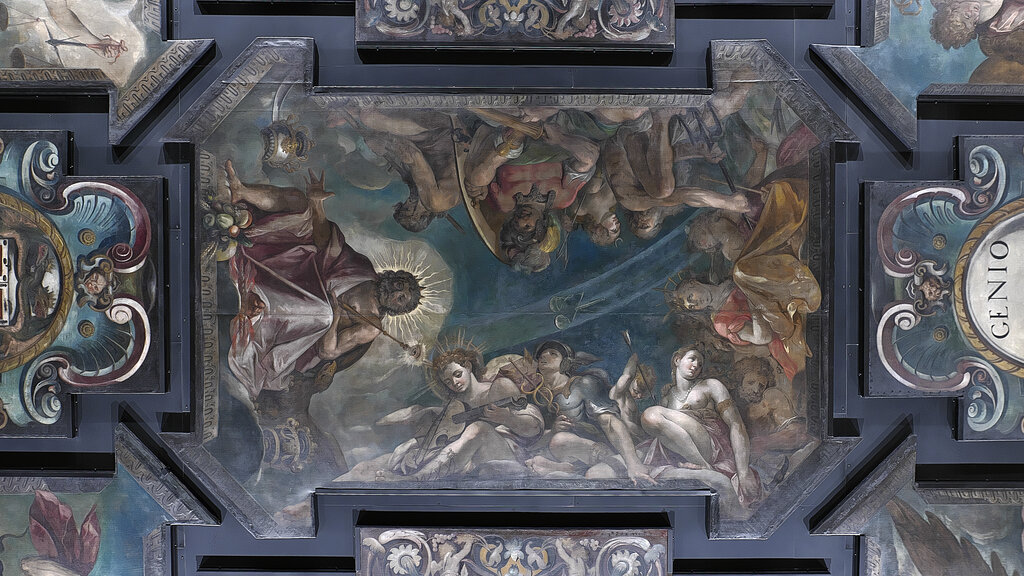
The Faces of the Divine
Across different cultures, deities are described with a wide range of attributes. What qualities do people associate with the divine?
Many belief systems imagine gods in human-like form, a concept called anthropomorphism. These gods experience emotions like love, jealousy, and anger, and they interact with humanity in direct, personal ways. The Greek gods on Mount Olympus are a perfect example, often meddling in human affairs.
In other traditions, God is understood as something beyond human form—a formless spirit, an abstract principle, or a universal consciousness. In these views, the divine might not have a personality in the human sense but is instead the fundamental reality or force that underlies all of existence.
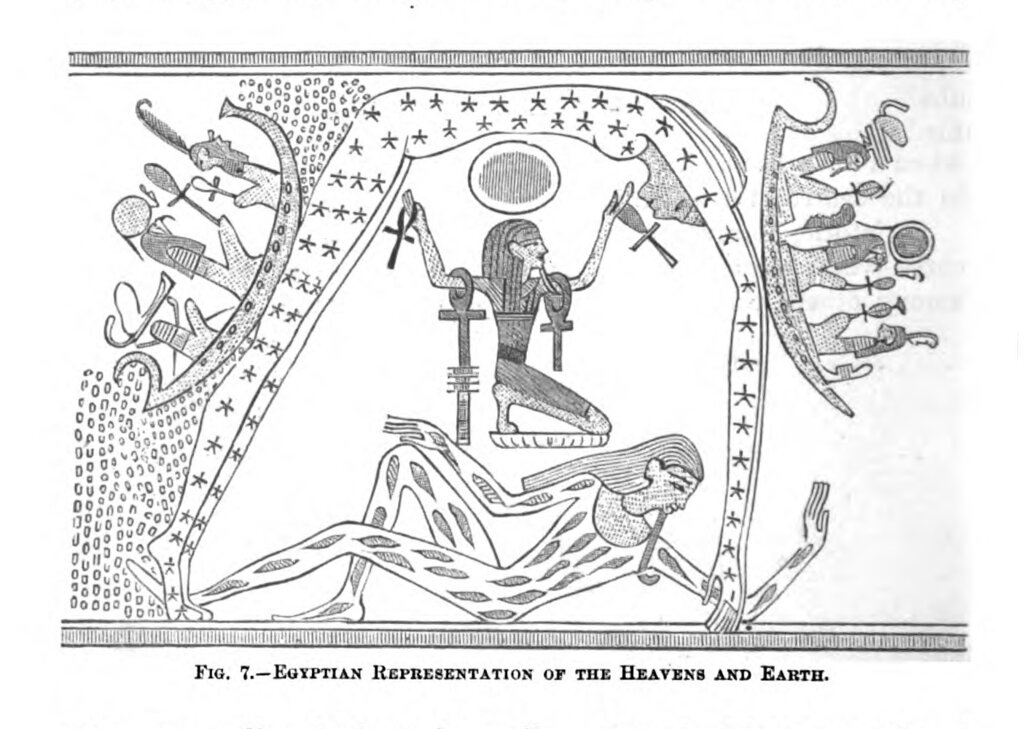
Regardless of form, certain attributes appear again and again.
- Creator: Many traditions see a deity as the origin of the universe and life.
- Sustainer: Gods are often believed to maintain cosmic order and keep the world running.
- Lawgiver: The divine is frequently seen as the source of morality and justice, providing humanity with rules to live by.
- Immortal: Deities are almost always considered to be eternal, existing beyond the constraints of a normal lifespan.
An Evolving Idea
The concept of God has not been static. It has evolved over thousands of years, changing as human societies changed.
In many early hunter-gatherer societies, religious beliefs were often animistic, holding that spirits inhabited everything from animals and plants to rocks and rivers. There wasn't a single 'God' but a world full of spiritual forces to respect and appease.
With the rise of agriculture and cities, these beliefs often coalesced into organized pantheons of gods and goddesses. These deities typically had more defined roles and personalities, governing things crucial to civilization, like farming, war, and law. This is the era when the great polytheistic religions of Mesopotamia, Egypt, and Greece flourished.
The shift toward monotheism was a major turning point. The idea of a single, universal God began to take hold in different parts of the world, most notably with the emergence of Judaism. This concept later became central to Christianity and Islam, which spread the idea of one God across the globe.
This journey from local spirits to powerful pantheons, and for some, to a single transcendent God, reflects humanity's own changing understanding of itself and the cosmos.
What is the most fundamental characteristic that defines a 'deity' in its broadest sense?
Which belief system is centered on the worship of a pantheon of multiple gods and goddesses, such as in ancient Greece or Egypt?
This variety is the starting point for understanding religion. By appreciating the different ways people have conceived of the divine, we can begin to explore the rich tapestry of human belief.