Exploring the Chandogya Upanishad
Introduction to the Chandogya Upanishad
The Heart of the Sama Veda
The Chandogya Upanishad is one of the oldest and most revered philosophical texts in Hinduism. It’s not a standalone book but is embedded within the Chandogya Brahmana of the Sama Veda, one of the four primary Vedas. The Sama Veda is unique among the Vedas because its hymns are meant to be sung. Its verses are set to specific melodies, forming an essential part of ancient rituals and ceremonies.
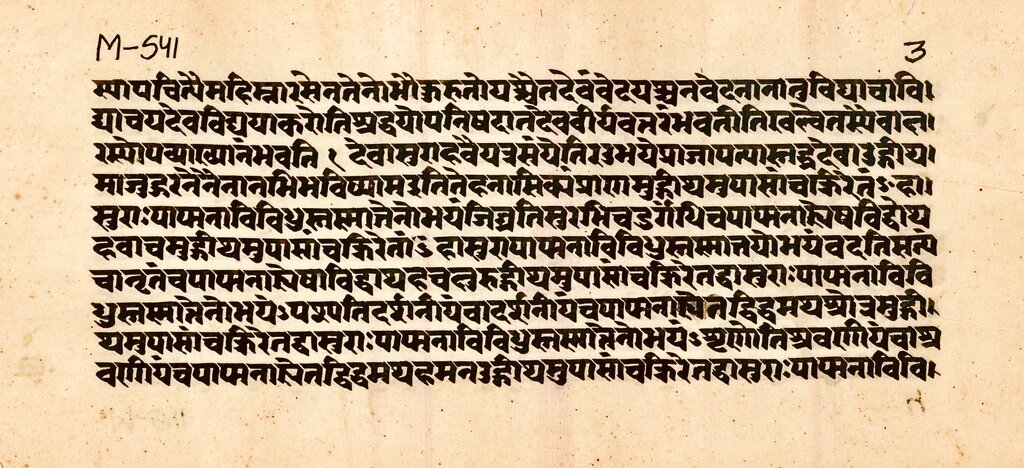
As an Upanishad, this text represents the final part of the Vedic corpus, known as the Vedanta, or the “end of the Veda.” These texts shift the focus from ritual to philosophy, asking deep questions about the nature of reality, the self, and the ultimate truth. The Chandogya Upanishad does this through a rich tapestry of dialogues, stories, and metaphors that have been studied for centuries.
The Upanishads are the end part of the Vedas which briefly expound the philosophic principles of the Vedas and are considered the essence of the Vedas.
Its name comes from the Sanskrit word chanda, which refers to poetic meter and is connected to the singers of the Sama Veda, the chandogas. This connection to sacred song and chant infuses the text with a unique lyrical and rhythmic quality, even in its prose.
Structure of the Text
The Chandogya Upanishad is a lengthy work, composed of eight chapters, known as prapathakas. Each chapter is further divided into sections and verses. While the text covers a wide range of topics, it's not structured like a modern textbook. Instead, ideas are presented through conversations between sages and students, allegorical stories, and symbolic interpretations of Vedic rituals.
The eight chapters build upon one another, moving from more concrete discussions of ritual and sound to highly abstract metaphysical inquiries. Here is a brief overview of the themes you'll find in each chapter:
| Chapter | Key Theme |
|---|---|
| Chapter 1 | The sacred syllable Om (Udgitha) and its significance in meditation. |
| Chapter 2 | The meaning of the entire Sama Veda chant as a unified whole. |
| Chapter 3 | The famous Madhu Vidya, or “honey doctrine,” and the concept of Brahman. |
| Chapter 4 | A story of a young student, Satyakama, and his quest for knowledge. |
| Chapter 5 | The nature of the soul (Atman) and the process of rebirth. |
| Chapter 6 | The famous teaching “Tat Tvam Asi” (That Thou Art), exploring the identity of the self and ultimate reality. |
| Chapter 7 | A dialogue between the sage Sanatkumara and his student Narada on the path from sorrow to bliss. |
| Chapter 8 | The nature of the self within the heart and the states of consciousness. |
Why It Matters
The Chandogya Upanishad is significant because it contains some of the earliest and most foundational teachings of Hindu philosophy. It introduces concepts that would become central to nearly all later schools of Indian thought, including Brahman (the ultimate reality), Atman (the individual self or soul), and the idea that these two are ultimately one and the same.
Its teachings are not presented as rigid dogma but as discoveries to be made through inquiry, dialogue, and introspection.
The text uses vivid stories to make its philosophical points accessible. We meet characters like the earnest student Satyakama, who learns from nature, and Svetaketu, who learns the profound truth of “Tat Tvam Asi” from his father. These narratives ground abstract ideas in human experience, making them relatable and timeless. Through these stories, the Upanishad guides the reader on a journey of self-discovery.
Ready to check your understanding?
The Chandogya Upanishad is embedded within which of the four primary Vedas?
The Upanishads represent the 'Vedanta'. What does this term mean?
By exploring its structure and core themes, we can begin to appreciate the profound wisdom contained within this ancient text.