Exploring the Book of Genesis
Creation and Divine Sovereignty
The Two Creation Stories
The Bible opens with two distinct but complementary stories of creation. The first, in Genesis 1, is like a wide-angle shot of the cosmos coming into being. It presents a grand, structured account of God creating the heavens, the Earth, and everything in them over seven days.
The second story, in Genesis 2, zooms in. It's a more personal, ground-level narrative focused on the creation of the first humans and their home, the Garden of Eden. Together, these accounts offer a rich picture of God's creative power and his intentions for the world.
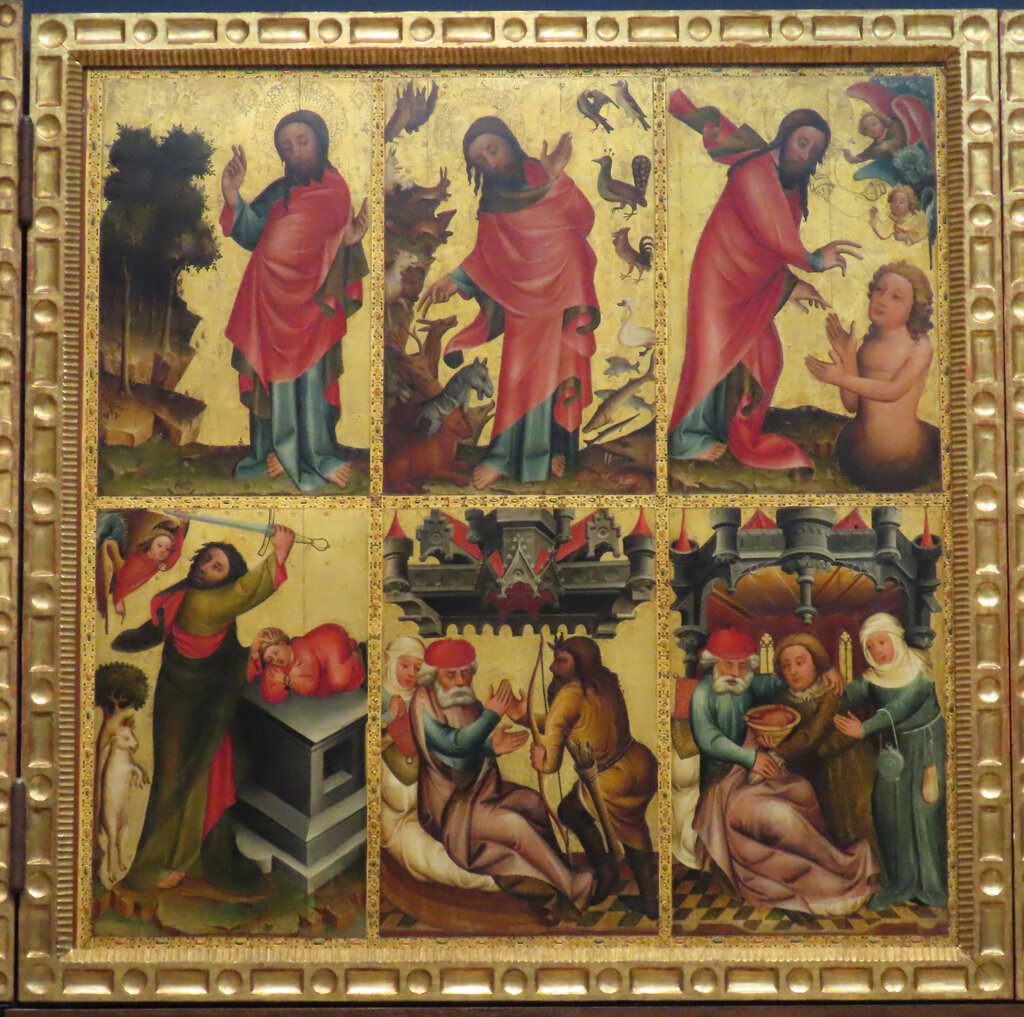
Genesis 1 unfolds with a powerful rhythm. Day by day, God speaks, and reality takes shape. Light separates from darkness, sky from water, and land from sea. Plants, celestial bodies, and animals appear at his command. This orderly progression isn't an accident. It shows a universe brought into existence with intention and purpose.
The first creation narrative acts as a strong polemic against the polytheism of the ancient near east and provides a monotheistic view of the origins of the world.
Unlike other ancient creation myths that describe a chaotic battle between gods, the Genesis account is peaceful and deliberate. There is only one God, and creation is the effortless result of His will. After each stage, the text repeats a crucial phrase: "And God saw that it was good." This refrain establishes a core theological idea: the created world is fundamentally good because its source is good.
God's Absolute Authority
The way God creates in Genesis 1 highlights His absolute sovereignty—His supreme authority and power over all things. He doesn't struggle or fight. He simply speaks, and it is so. This concept, known as creation ex nihilo, or creation "out of nothing," is a cornerstone of biblical theology.
Creation ex nihilo remains a fundamental truth of Biblical traditional creationism, confirming God as the sovereign Creator of the universe from nothing.
This sovereignty means that the universe isn't a random accident. It was designed and brought into being by a powerful, personal Creator. This shapes how we view the world, suggesting that our lives and the cosmos itself have inherent meaning and purpose.
Humanity's Special Role
The climax of the Genesis 1 creation story is the arrival of humanity. Here, God's creative act is described differently. He doesn't just speak; he says, "Let us make mankind in our image, in our likeness."
Then God said, "Let us make mankind in our image, in our likeness, so that they may rule over the fish in the sea and the birds in the sky, over the livestock and all the wild animals, and over all the creatures that move along the ground."
Being made in God's image, or Imago Dei, sets humanity apart from the rest of creation. It implies a unique capacity for relationship with God, as well as reason, morality, and creativity. It's not about physical appearance but about reflecting God's character and purpose in the world.
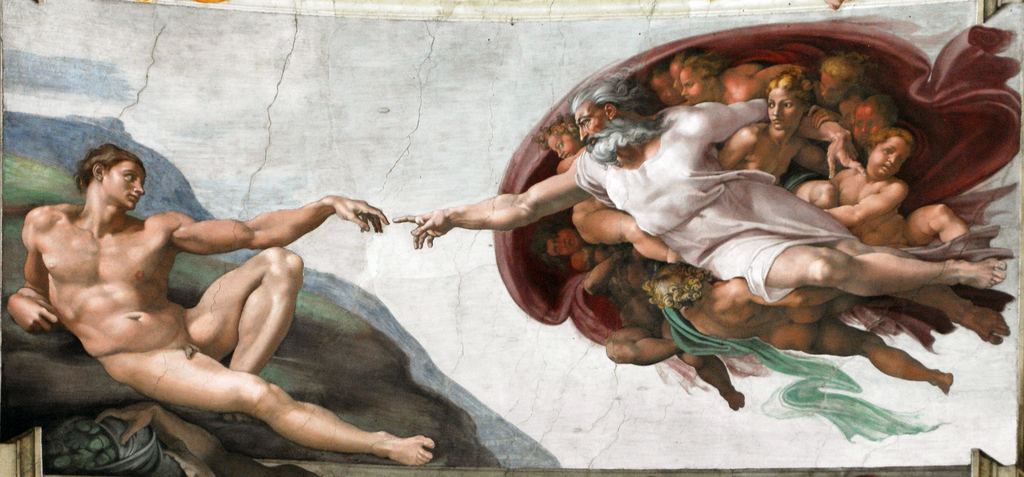
This unique status comes with a unique responsibility. God gives humans a job: to "be fruitful and increase in number; fill the earth and subdue it." This task, often called the "cultural mandate," is a call to stewardship. Humans are to act as God's representatives, caring for, cultivating, and developing the world He made.
That humans were made in the image of God is a point made by both accounts of creation.
The creation stories of Genesis are more than just an ancient explanation of origins. They provide a theological foundation for understanding God, the world, and our place in it. They tell us that the universe is the good and purposeful creation of a sovereign God, and that humanity has a special role to play in His unfolding plan.
What is the primary difference in perspective between the creation account in Genesis 1 and the one in Genesis 2?
The recurring phrase "And God saw that it was good" in Genesis 1 establishes what core theological idea?