Exploring the Bible
Introduction to the Bible
A Library, Not a Book
The Bible isn't a single book. It's better to think of it as a library, a collection of writings compiled over many centuries. These writings include history, poetry, letters, and prophetic visions. This library is divided into two major sections: the Old Testament and the New Testament.
The Old Testament is also known as the Hebrew Bible and is the sacred text of Judaism. Christians also consider it sacred scripture.
The New Testament contains writings from the early Christian community, including accounts of the life of Jesus, letters from apostles, and an apocalypse. It is central to Christianity. Together, these two testaments form the Christian Bible.
| Feature | Old Testament (Hebrew Bible) | New Testament |
|---|---|---|
| Primary Language | Hebrew (with some Aramaic) | Koine Greek |
| Core Focus | God's covenant with Israel | The life and teachings of Jesus |
| Contains | Law, history, prophets, poetry | Gospels, letters, history, prophecy |
| Accepted By | Judaism and Christianity | Christianity |
Building the Canon
How did this specific collection of books come to be? The process was gradual, taking place over hundreds of years. Communities of faith had to decide which writings were authoritative and divinely inspired. This official list of accepted books is known as the canon.
canon
noun
A collection or list of sacred books accepted as genuine and authoritative.
For the Hebrew Bible, the process of canonization was largely complete by the first century CE. The New Testament canon took shape over the first few centuries of the Christian church, with councils and church leaders affirming the books that were widely used and accepted as scripture.
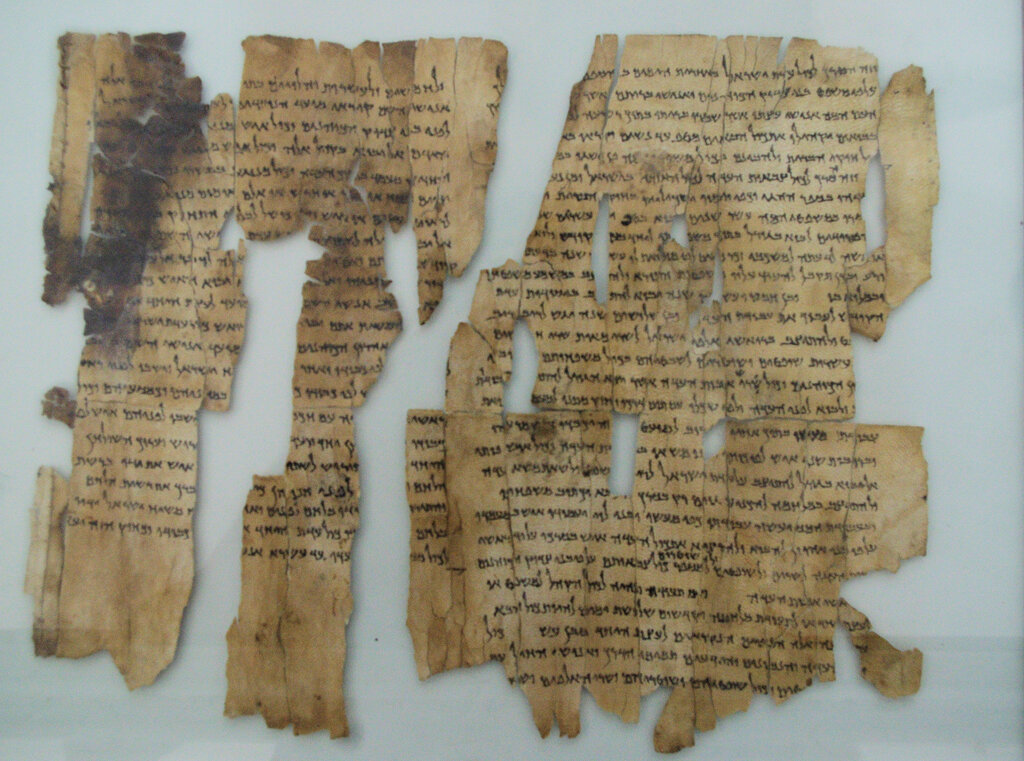
This wasn't a top-down decision made by a single person. Instead, it was a long process of recognition, where communities discerned which texts accurately reflected their faith and traditions. Different religious traditions have slightly different canons. For example, the Catholic Old Testament includes several books, often called the Apocrypha, that are not in the Protestant or Jewish canons.
One Book, Two Faiths
The Bible holds a central place in both Judaism and Christianity, but its role and interpretation differ.
For Judaism, the Hebrew Bible, or Tanakh, is the foundational text. It's traditionally divided into three parts:
The Torah is the most sacred part, containing the foundational laws and narratives of Judaism.
For Christians, the Bible is seen as a unified story of God's relationship with humanity. The Old Testament sets the stage for the New Testament, which is seen as the fulfillment of the prophecies and promises in the older texts. The life, death, and resurrection of Jesus are the central events that connect the two testaments.
Both testaments interweave to create a unified narrative of God's redemptive plan.
This collection of ancient texts has profoundly shaped history, culture, law, and art for millennia. Understanding its structure and development is the first step to engaging with its content.
Which of the following is the most accurate description of the Bible?
The term "canon" refers to the official list of books that a religious community accepts as authoritative and divinely inspired scripture.