Exploring the Bible
Introduction to the Bible
The Bible's Blueprint
The Bible isn't a single book. It's better to think of it as a library—a collection of 66 books written by many authors over hundreds of years. This library is divided into two main sections: the Old Testament and the New Testament.
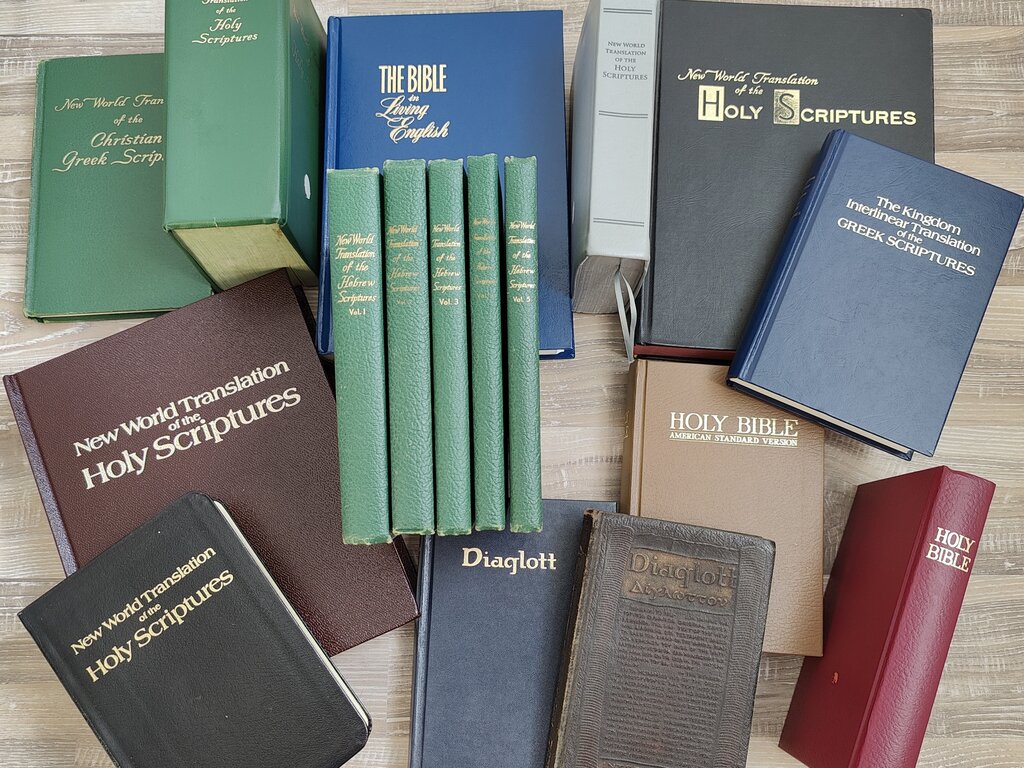
The word "testament" means covenant or agreement. The Old Testament describes the original covenant God made with the people of Israel. The New Testament explains the new covenant made through Jesus Christ. Together, these two sections tell a continuous story about God's relationship with humanity.
The Old Testament
The Old Testament makes up the first and larger part of the Christian Bible. It contains 39 books and is traditionally organized into four major sections.
-
The Pentateuch (or Torah): These first five books—Genesis, Exodus, Leviticus, Numbers, and Deuteronomy—are also known as the Law. They lay the foundation, covering creation, the early history of humanity, and the laws and commandments given to the nation of Israel.
-
Historical Books: This group of 12 books picks up where the Pentateuch leaves off, chronicling the history of Israel. It tells of their entry into the promised land, the rise and fall of their kingdoms, and their experience of exile.
-
Poetry and Wisdom: Five books make up this section, including Psalms, Proverbs, and Job. They contain songs of praise, wise sayings for daily life, and deep reflections on suffering and the human condition.
-
The Prophets: The final 17 books of the Old Testament contain messages from prophets—individuals who spoke on God's behalf. They called the people to return to God, warned of judgment, and offered hope for the future.
The Old Testament primarily tells the story of God's relationship and covenant with the nation of Israel.
The New Testament
The New Testament is a smaller collection of 27 books that focuses on the life and teachings of Jesus and the development of the early Christian church. It's also organized into four parts.
-
The Gospels: Matthew, Mark, Luke, and John are four accounts of Jesus's life, death, and resurrection. Each offers a unique perspective on his identity and ministry.
-
History: The book of Acts serves as a sequel to the Gospel of Luke. It documents the spread of the Christian message and the founding of the first churches after Jesus's ascension.
-
The Epistles: This is the largest section of the New Testament, consisting of 21 letters written by apostles like Paul, Peter, and John. These letters offer guidance, correction, and encouragement to early Christian communities and their leaders.
-
Prophecy: The final book, Revelation, is a work of apocalyptic literature. It uses symbolic language to describe a vision of the end times and the ultimate triumph of God.
A Library of Styles
Because the Bible was written by different people in different situations, it contains a wide variety of literary styles, or genres. Recognizing the genre of a particular passage is key to understanding its intended meaning. You wouldn't read a poem the same way you read a historical account, and the same principle applies to the Bible.
Identifying literary genres within the Bible is essential because it helps you interpret the texts more accurately and appreciate their intended messages.
Some of the main genres you'll encounter include:
| Genre | Description | Example |
|---|---|---|
| Narrative | Tells a story with characters, plot, and setting. | Genesis, 1 Samuel, Luke |
| Law | Collections of legal and moral instructions. | Exodus, Leviticus |
| Poetry | Uses figurative language, parallelism, and imagery. | Psalms, Song of Solomon |
| Wisdom | Offers practical advice and explores questions about life. | Proverbs, Ecclesiastes |
| Prophecy | A message from God, often addressing current events and the future. | Isaiah, Jeremiah |
| Epistle | A formal letter written to a person or group. | Romans, Philippians |
| Apocalyptic | Highly symbolic writing about the end times. | Daniel, Revelation |
Understanding this basic structure—the two testaments and the different literary genres—provides a map for navigating the biblical library. It helps you know where you are and what kind of literature you're reading.
The Christian Bible is best understood as a single, cohesive book written by one author.
How many books are in the Old Testament and the New Testament, respectively?