Exploring the Atom (Cosmos) Blockchain
Introduction to Blockchain
What Is a Blockchain?
At its heart, a blockchain is a special kind of digital notebook. Imagine a notebook that's shared among a huge group of people. Whenever someone wants to add a new page, they show it to everyone. The group checks it to make sure it's valid, and then it gets added to the end of the book. Once a page is in, it can't be removed or changed. Ever.
At its most basic level, a blockchain is a digital ledger maintained by a decentralized network of computers.
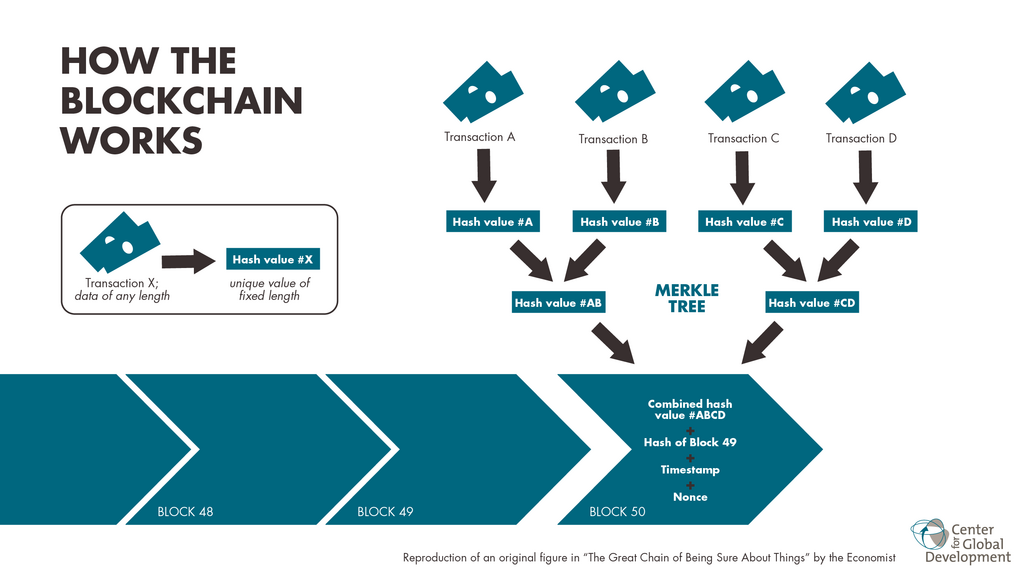
This digital ledger is made of two parts: blocks and a chain.
Each block is like a page in our notebook. It contains a list of transactions or other data. When a block is full, it's sealed with a unique digital fingerprint called a hash. This hash is then included in the next block, creating a link. This process forms a chronological chain of blocks, all cryptographically secured. Altering a block would change its hash, which would break the link to all subsequent blocks, making any tampering immediately obvious to the entire network.
No Single Point of Failure
Traditional databases are centralized. Think of a bank's ledger. It's stored on the bank's private servers. If those servers are hacked, corrupted, or simply go offline, the entire system is at risk. The bank is a single point of failure.
Blockchains are different. They use a decentralized network. Instead of one central copy of the ledger, there are thousands of identical copies stored on computers all over the world. These computers, called nodes, all work together to maintain the network. If one node goes offline, the network continues to run without interruption. There is no central authority in control.
Reaching an Agreement
If thousands of people have a copy of the same ledger, how do they agree on which new transactions to add? This is a critical problem in decentralized systems. The solution is a consensus mechanism, which is a set of rules that allows the network to agree on the state of the ledger.
Think of it as a system for voting. Before a new block can be added to the chain, the nodes in the network must reach an agreement, or consensus, that the transactions inside it are valid. There are many ways to achieve this.
A consensus mechanism ensures that every copy of the ledger is identical and that all transactions are legitimate.
While there are various methods, two of the most well-known are Proof of Work and Proof of Stake.
Proof of Work (PoW) is like a competition. Nodes, often called "miners," compete to solve a very difficult mathematical puzzle. The first miner to find the solution gets to add the next block to the chain and is rewarded. This process requires a massive amount of computational power, which helps secure the network. Bitcoin uses this method.
Proof of Stake (PoS) is more like a lottery. Instead of competing with computing power, participants lock up or "stake" their own cryptocurrency as collateral. The network then randomly selects a participant to validate the next block, with the chances of being chosen increasing with the amount staked. If they approve a fraudulent transaction, they lose their stake. This incentivizes honest behavior.
Why Does This Matter?
Blockchain technology is more than just the foundation for cryptocurrencies. Its ability to create a secure, transparent, and tamper-proof record of information without a central authority is revolutionary.
It allows for trust in situations where parties don't know or trust each other. It can streamline supply chains, secure voting systems, protect digital identity, and create new kinds of automated agreements called smart contracts. By removing the need for traditional intermediaries like banks or lawyers in many processes, blockchain can make digital interactions more efficient, secure, and direct.
Now, let's test your understanding of these foundational concepts.
What is the primary function of a hash in a blockchain?
The core difference between a traditional database and a blockchain is that a blockchain is decentralized, while a traditional database is centralized.
With this foundation in place, you're ready to explore how specific ecosystems, like Cosmos, build upon these core principles to create powerful new applications.