Exploring the Adobe Product Ecosystem
Introduction to Adobe
The Story of Adobe
In 1982, two researchers at Xerox named John Warnock and Charles Geschke decided to leave their comfortable jobs. They had a vision for a new kind of software that would change how people communicated. They believed computers could do more than just process words; they could become tools for visual creation.
Their goal was to create a common language that would allow a computer to describe any page of text and graphics and print it on any printer.
They founded their new company in Warnock's garage and named it Adobe, after a creek that ran behind his house. Their first major breakthrough was a programming language called PostScript. Before PostScript, getting a computer to print exactly what you saw on the screen was a huge challenge. PostScript provided a universal way to describe pages, ensuring that designs looked the same on screen and on paper. This innovation was the spark that ignited the desktop publishing revolution of the 1980s, empowering anyone with a computer to create professional-looking documents.
More Than Just Software
From its early days, Adobe has been driven by a mission to enable creativity for all. The company believes that everyone has a story to tell, and their goal is to provide the tools to tell it beautifully. This mission is supported by a set of core values that guide their work and culture.
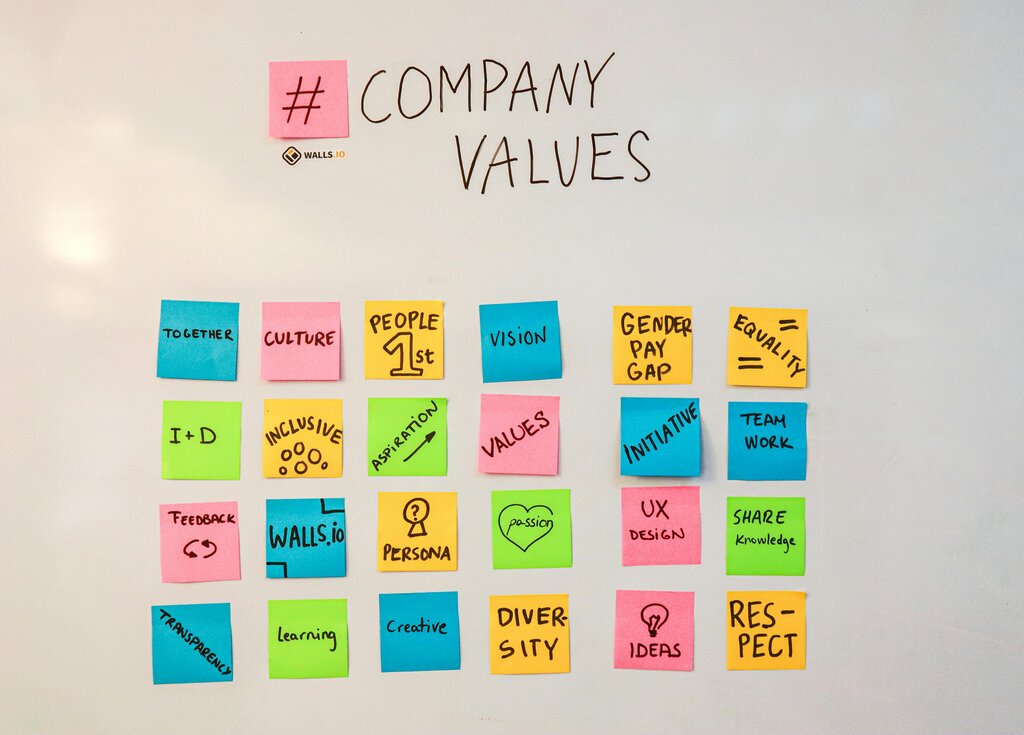
Adobe's core values focus on being genuine, exceptional, innovative, and involved. This means creating products with integrity, striving for the highest quality, constantly pushing the boundaries of what's possible, and engaging with creative communities around the world. These principles have helped Adobe build a reputation not just as a software giant, but as a company that champions creativity itself.
Shaping Industries
It's hard to overstate Adobe's impact. Their software has become the industry standard in countless creative fields. Graphic designers rely on its tools to create logos and illustrations. Photographers use its software to edit and manage their images. Filmmakers and video editors bring stories to life with its post-production suites.
The influence extends beyond traditional creative arts. Web designers use Adobe software to build interactive online experiences. In the business world, companies use Adobe's marketing and analytics tools to understand their customers and deliver personalized digital experiences. From blockbuster movies to the websites you visit every day, Adobe's technology plays a quiet but crucial role.
Who were the two founders of Adobe?
What was Adobe's first major technological breakthrough?