Exploring Thai Culture
Introduction to Thai History
Early Peoples and Kingdoms
Before Thailand was known as Thailand, the land was a crossroads of cultures. For centuries, powerful civilizations like the Mon and the Khmer flourished here. Their influence was immense, leaving behind sophisticated art, architecture, and systems of belief that would shape the region for generations to come.
These early kingdoms weren't unified, but were a collection of city-states and small empires. They controlled key trade routes and built impressive temple complexes, many of which can still be seen today. The Khmer Empire, centered at Angkor in modern-day Cambodia, was particularly dominant, extending its reach well into what is now central Thailand.
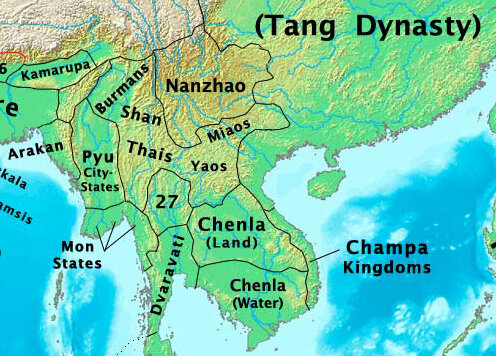
It was into this diverse landscape that the Tai peoples began to migrate from the north. They gradually settled in the fertile river valleys, establishing their own communities and absorbing knowledge from the cultures already present.
The First Thai Kingdom
By the 13th century, Tai chieftains had grown strong enough to assert their independence. In 1238, they established what is often considered the first major Thai kingdom: Sukhothai. The name translates to "Dawn of Happiness," and its founding marked a new era.
Sukhothai was a center of art, religion, and innovation. Under rulers like the legendary King Ramkhamhaeng, the kingdom thrived. He is credited with creating the Thai alphabet, an event that was crucial for developing a distinct Thai identity. Sukhothai also embraced Theravada Buddhism, which became the state religion and a cornerstone of Thai culture.
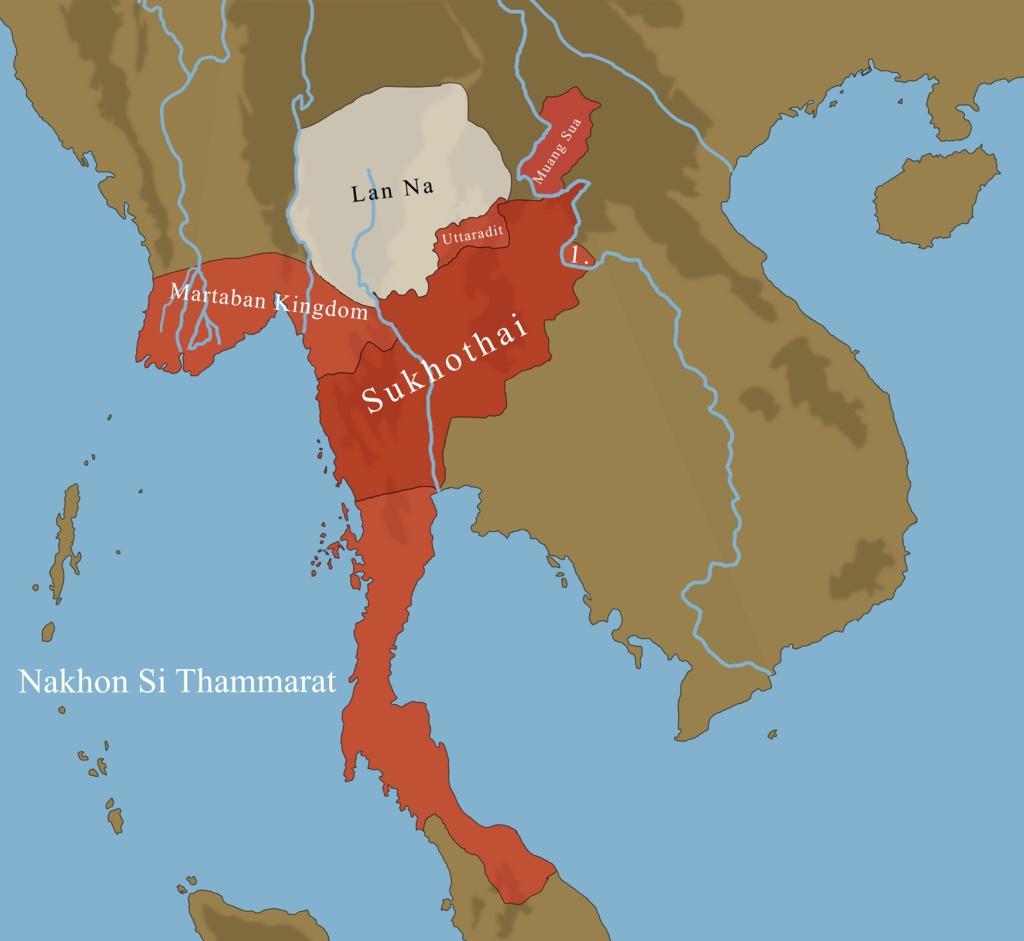
While Sukhothai's political power eventually waned, its cultural legacy was profound. The period is often looked back on as a golden age of Thai art and governance.
The Age of Ayutthaya
As Sukhothai's influence faded, a new power rose to the south. Founded in 1351, the kingdom of Ayutthaya would become one of the most powerful and cosmopolitan states in Southeast Asia. Located on an island at the confluence of three rivers, its capital was a bustling hub of international trade.
Merchants from Europe, China, Japan, and Persia flocked to Ayutthaya, bringing immense wealth and new ideas. For over 400 years, the kingdom dominated the region, developing a highly structured society and a sophisticated court culture. Ayutthaya's rulers adopted Khmer traditions of divine kingship and oversaw the construction of magnificent palaces and monasteries.
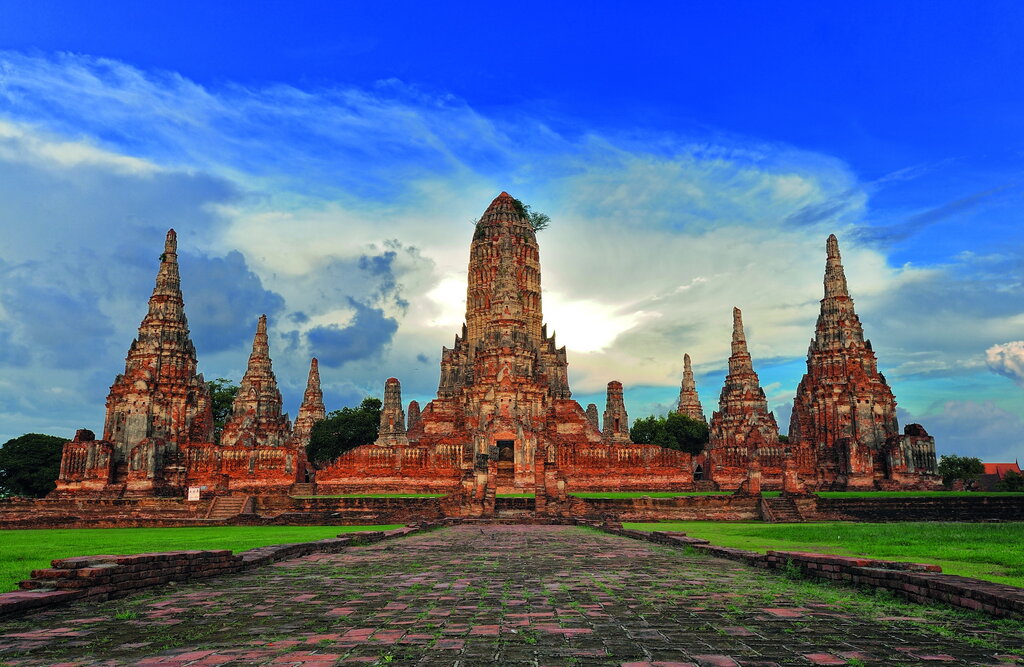
Ayutthaya's power was not uncontested. It was locked in a long-standing rivalry with its neighbor, Burma. After centuries of conflict, the Burmese army finally sacked the capital in 1767, burning the city to the ground and bringing the kingdom to a violent end.
The fall of Ayutthaya marked a pivotal moment in the history of ancient Thai civilizations, signaling the end of a thriving kingdom that once wielded extensive influence in Southeast Asia.
Forging Modern Thailand
The destruction of Ayutthaya was a catastrophe, but the Thai people quickly regrouped. A brilliant general, Taksin, drove out the Burmese and established a new capital at Thonburi, across the river from modern-day Bangkok. His reign was short, and in 1782, the Chakri dynasty was founded. The capital was moved to Bangkok, where it remains today.
The new kingdom, known as Siam, entered the modern era facing a new challenge: Western colonialism. While neighboring countries fell under British and French rule, the clever diplomacy of Siam's kings, particularly Mongkut (Rama IV) and Chulalongkorn (Rama V), allowed the kingdom to remain independent. They modernized the country's government, education, and infrastructure, selectively adopting Western practices to strengthen the nation.
In 1932, a bloodless revolution transformed the country from an absolute monarchy to a constitutional monarchy. A few years later, in 1939, the country's name was officially changed to Thailand, meaning "Land of the Free."
This long and rich history, from the early Mon and Khmer cultures to the powerful kingdoms of Sukhothai and Ayutthaya, laid the foundation for the vibrant and unique nation of Thailand today.
Now, let's test your understanding of Thailand's historical journey.
Which early civilization, with its empire centered at Angkor, had a profound influence on the art, architecture, and beliefs of the region that would become Thailand?
What major contribution is credited to King Ramkhamhaeng of the Sukhothai Kingdom?
Understanding this history provides a crucial context for appreciating the country's culture, traditions, and people.