Exploring Taoism
Introduction to Taoism
The Path of Harmony
Taoism is an ancient tradition from China that is both a philosophy and a religion. At its heart is the idea of living in harmony with the Tao, which means “the Way.” But what is the Way? Think of it as the natural flow of the universe, the underlying principle that guides everything from the stars in the sky to the river carving a path through a canyon. Taoism suggests that we find peace not by struggling against this current, but by understanding and moving with it.
The Way; path, principle
The Tao isn't a god or a deity that you pray to. It's more like a fundamental law of nature. It's formless, nameless, and can’t be fully described with words. The opening of the most important Taoist text says it best: “The Tao that can be told is not the eternal Tao.” It's something to be experienced rather than explained.
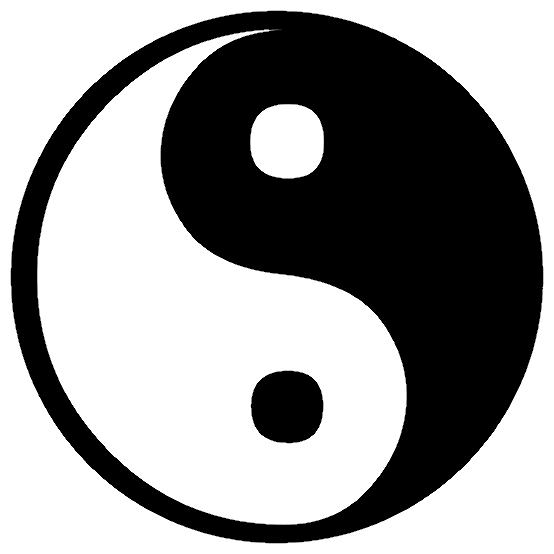
Instead of rigid rules, Taoism encourages qualities like simplicity, patience, and compassion. By observing nature, one can learn how to live. A tree bends in the wind without breaking. Water flows around obstacles without fighting them. This is the essence of moving with the Tao.
Ancient Roots
Taoism emerged in China during the Warring States period, from roughly 475 to 221 BCE. It was a time of great conflict and social upheaval. While other philosophies like Confucianism focused on creating order through strict social hierarchies and ethical rules, Taoism offered a different path. It encouraged people to withdraw from the chaos of society and find peace by connecting with the natural world.
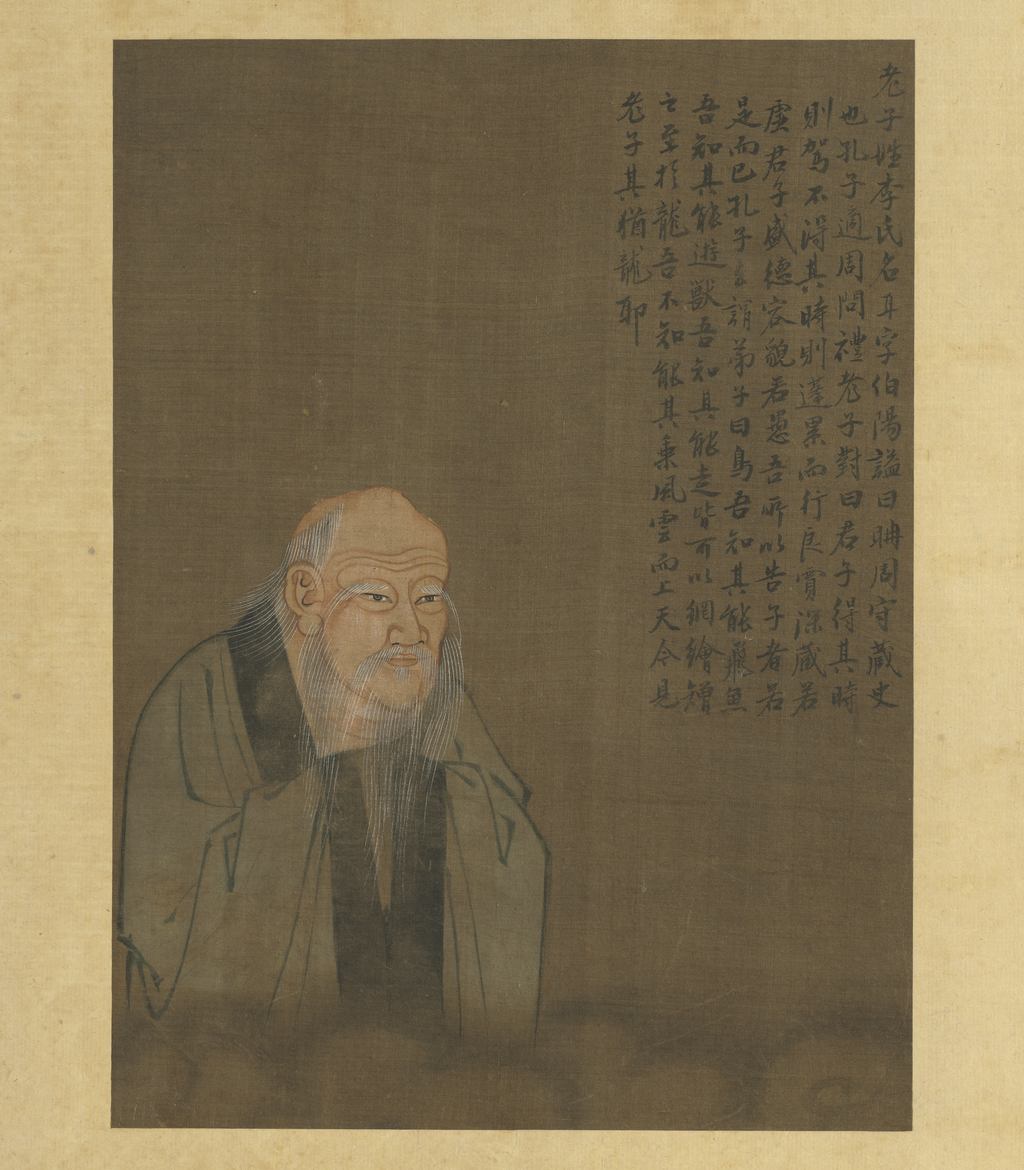
Two main texts form the foundation of Taoist thought. The first is the Tao Te Ching (The Book of the Way and its Virtue), a short collection of poetic and often paradoxical verses. Tradition credits its creation to a wise figure named Laozi (Lao Tzu), though its exact origins are debated. The second foundational text is the Zhuangzi, a collection of fables, allegories, and stories that explore the ideas of the Tao in a more playful and imaginative way.
Two Paths, One Way
Over time, Taoism developed into two distinct but related branches: philosophical Taoism and religious Taoism.
Philosophical Taoism (Daojia) is primarily concerned with the ideas in the Tao Te Ching and Zhuangzi. It's a way of thinking that emphasizes living a simple life in harmony with the Tao. The goal is personal wisdom and contentment.
Religious Taoism (Daojiao) evolved later and incorporated more structured elements. This branch includes a pantheon of deities, temples, priests, and specific rituals. Its followers often seek not just harmony, but also longevity and even immortality through various practices.
| Feature | Philosophical Taoism (Daojia) | Religious Taoism (Daojiao) |
|---|---|---|
| Focus | Individual wisdom, harmony with nature | Community practice, longevity, immortality |
| Core Texts | Tao Te Ching, Zhuangzi | Same texts, plus many later scriptures |
| Nature | A way of thinking, a life philosophy | An organized religion with rituals and clergy |
| Goal | Inner peace, effortless living | Spiritual salvation, physical health |
While one is a personal philosophy and the other an organized religion, both share the same fundamental source: the concept of the Tao, the quiet, powerful, and natural way of the universe. Now, let's review what you've learned.
According to Taoist thought, what is the best description of the "Tao"?
Which text, traditionally attributed to Laozi, opens with the line: “The Tao that can be told is not the eternal Tao”?
Understanding these foundations gives us a clear window into one of the world's most enduring traditions.