Exploring T3b Technology
Introduction to T3b Technology
What is T3b Technology?
T3b technology, short for Trans-Biometric Bionetworking, is a method for creating seamless communication links between different biological systems and digital devices. Think of it as a universal translator, but instead of languages, it translates biological signals into data that computers can understand, and vice versa.
At its core, T3b creates a network where living cells and electronic circuits can exchange information directly, opening up new possibilities in medicine, environmental science, and personal technology.
Bionetworking
noun
The practice of linking biological components, such as cells or tissues, with electronic systems to form a single, integrated network capable of processing both biological and digital information.
This isn't about just monitoring heart rate with a watch. T3b goes much deeper, enabling real-time, two-way conversations. A network of sensors could report on cellular health from within the body, while a connected device could deliver a precise therapeutic response based on that data.
A Brief History
The journey to T3b technology began in the late 1980s with foundational research into bio-integrated electronics. Early experiments focused on getting single neurons to interact with silicon chips. These attempts were groundbreaking but faced significant challenges. The biological and electronic worlds spoke fundamentally different languages, leading to signal loss and incompatibility.
A major breakthrough came in the mid-2000s with the development of new biocompatible materials and signal amplification techniques. Scientists could finally build stable, long-term interfaces. This led to the creation of the first true bionetwork in 2016, where multiple, separate cell cultures were linked to communicate with each other through a central digital hub.
The final piece of the puzzle was the development of the T3b protocol itself. This standardized set of rules and signal types created a universal language, allowing different types of bionetworks to connect and share information reliably.
Significance and Impact
The impact of T3b technology is just beginning to be felt across numerous fields. Its ability to create a high-fidelity bridge between biology and technology is transformative.
In medicine, T3b is powering a new generation of "smart" diagnostics and therapies. Imagine a system that not only detects the earliest signs of a disease at the cellular level but also automatically coordinates a targeted response. This is moving from the realm of science fiction to reality.
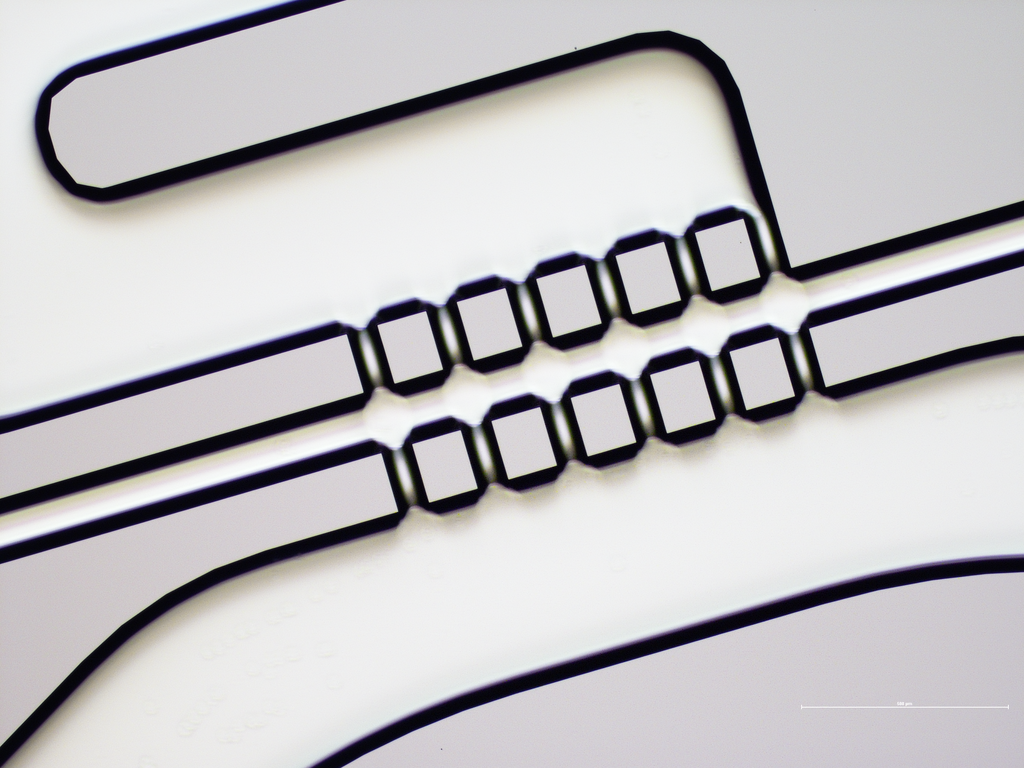
Environmentally, T3b sensors can be deployed as networks of living organisms, like bacteria or algae, to monitor water and soil quality with unparalleled sensitivity. These bionetworks can detect pollutants at minute concentrations and report their findings in real time.
Ultimately, T3b technology represents a fundamental shift in how we interact with the biological world. It treats cells not just as subjects to be studied, but as active partners in a technological network.
Ready to check your understanding?
What is the primary function of T3b technology?
The development of the T3b protocol was significant because it created a universal language for different bionetworks.
As we continue to refine this technology, it promises to solve some of our most complex challenges by combining the strengths of both living systems and computational power.