Exploring Suoermenory
Introduction to Supernumerary
More Than a Number
Have you ever gotten an extra cookie in a pack, or found a four-leaf clover? The word for that feeling of getting something extra, beyond the usual amount, has a name.
supernumerary
adjective
Exceeding the usual, stated, or prescribed number; additional or extra.
The word might look complex, but it breaks down nicely. Super- means "above" or "beyond," and -numerary relates to numbers. So, it literally means "beyond the number." It’s used in specific fields to describe when there's more of something than is typical, from medicine to the theater.
In a Medical Context
In anatomy and medicine, supernumerary describes extra body parts. The most common example is teeth. While most adults have 32 teeth, some people develop additional ones. These are called supernumerary teeth.
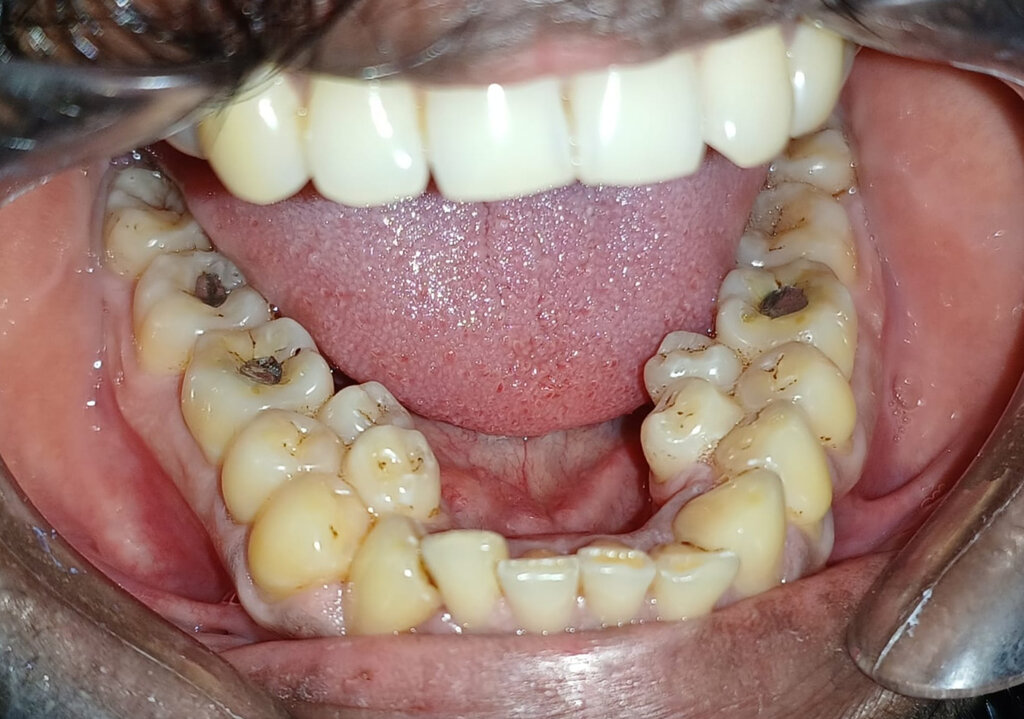
The term isn't limited to dentistry. It can apply to extra fingers or toes (a condition known as polydactyly), extra ribs, or even extra kidneys. In these cases, the supernumerary part is one that exists beyond the standard anatomical count.
On the Stage
The word takes on a different meaning in the performing arts. In theater, opera, or ballet, a supernumerary is a person who appears on stage but doesn't have a speaking, singing, or dancing role. They are essentially background actors, often called "extras" in film and television.

Imagine a play set in a royal court. While the main actors deliver their lines, dozens of silent guards, servants, and courtiers might be standing in the background to make the scene feel full and realistic. Those silent performers are supernumeraries. Their job is to populate the world of the story without pulling focus from the main action.
Whether it's an extra tooth or an extra actor, "supernumerary" points to something that goes beyond the expected number.
Ready to check your understanding?
What is the literal meaning of the word "supernumerary," based on its Latin roots?
In a medical context, which of the following is an example of something supernumerary?
Now you know how one word can apply to very different situations, from a dentist's office to the opera house.