Exploring Shia Theology
Introduction to Shia Theology
The Partisans of Ali
The term Shi'a (شيعة) literally means "partisans" or "followers." Historically, it refers to the followers of Ali ibn Abi Talib, the cousin and son-in-law of the Prophet Muhammad. The origins of Shia Islam are rooted in the question of succession that arose immediately following the Prophet's death in 632 CE. While one group of Muslims elected Abu Bakr, a close companion of the Prophet, as the first caliph, or successor, another group believed that leadership rightly belonged to Ali, based on their interpretation of the Prophet's statements.
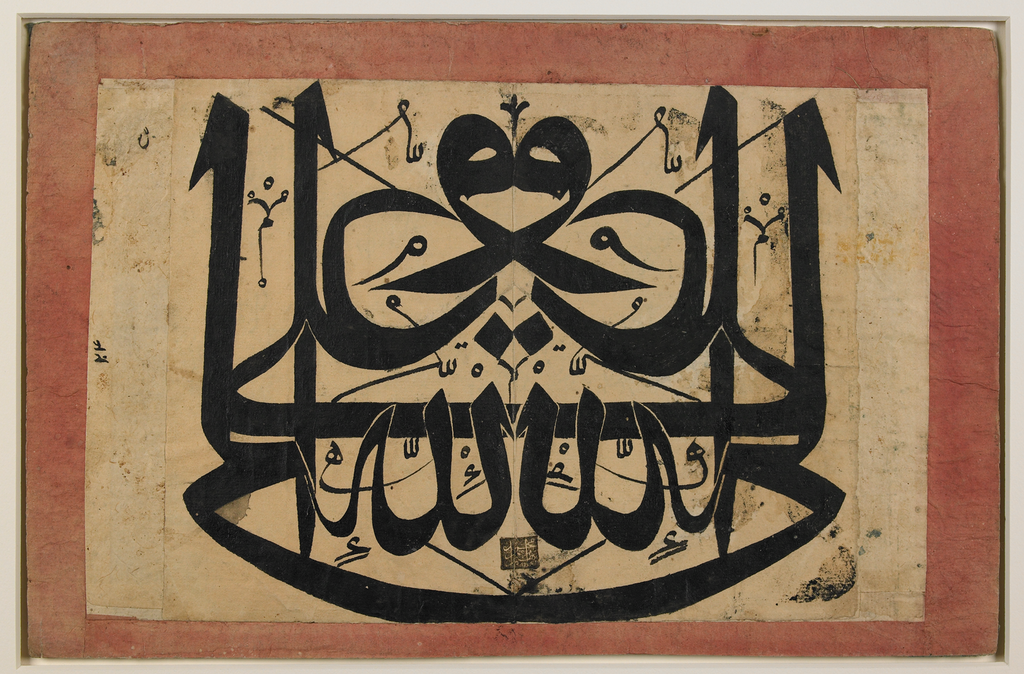
This initial political disagreement gradually evolved into a distinct theological school of thought. While both Sunni and Shia Muslims share the core tenets of Islam—belief in one God (Allah), the Quran as His final revelation, and Muhammad as His final prophet—their differences in understanding religious authority and leadership have shaped their unique theological paths. This divergence is the most significant sectarian split in Islamic history.
Shia Islam, one of the two major branches of Islam, diverges from Sunni Islam primarily in its beliefs concerning leadership and authority within the Muslim community.
Authority and Interpretation
The central theological distinction lies in the concept of religious authority. In Sunni Islam, authority is primarily derived from the Quran and the Sunnah (the Prophet's practices), as interpreted through scholarly consensus (ijma) and analogical reasoning (qiyas). Religious leadership is seen as a role that can be held by any qualified and pious individual chosen by the community.
Shia theology, however, asserts that the Prophet designated his family, the Ahl al-Bayt, as his successors. This leadership, known as the Imamate, is considered a divinely appointed office. Shias believe that these Imams, starting with Ali, inherited not just political authority but also the Prophet's spiritual knowledge and the ability to provide infallible guidance on interpreting the Quran and the faith.
| Aspect | Sunni Perspective | Shia Perspective |
|---|---|---|
| Succession | Caliph elected by community consensus (shura). | Leadership passed down through the Prophet's family (Ahl al-Bayt). |
| Authority Source | Quran, Sunnah, scholarly consensus (ijma). | Quran, Sunnah, and the infallible guidance of the Imams. |
| Role of Leader | Caliph is a political and military leader. | Imam is a spiritual and political leader with divine knowledge. |
This difference has profound implications. For Shia Muslims, the teachings of the Imams are a primary source of religious law and spiritual insight, alongside the Quran and Sunnah. This creates a distinct body of hadith (narrations of the Prophet and Imams), legal precedents, and theological interpretations that differ from those in the Sunni tradition.
Core Theological Principles
Beyond the issue of leadership, Shia theology emphasizes several core principles, often summarized as the Usul al-Din (Roots of Religion). While these often overlap with Sunni beliefs, the emphasis and interpretation can differ. The most common formulation includes five pillars:
Tawhid (Oneness of God): The absolute monotheism of God. Adl (Justice): Belief in God's divine justice. Nubuwwah (Prophethood): Belief in the prophets sent by God. Imamah (Leadership): Belief in the divinely appointed Imams. Ma'ad (Day of Resurrection): Belief in the final judgment.
Of these, Adl and Imamah are particularly distinctive to Shia thought. The emphasis on divine justice shapes Shia perspectives on free will and predestination, generally favoring human free will. The principle of Imamah, as discussed, is the foundational doctrine that sets Shia Islam apart, establishing a continuous line of divine guidance after the Prophet Muhammad. This framework provides Shia Muslims with what they see as a living source of religious authority to navigate worldly and spiritual matters.
What is the literal meaning of the Arabic word Shi'a (شيعة)?
The initial division between Sunni and Shia Islam arose from a disagreement over what fundamental issue?