Exploring Sexual Positions
Understanding Sexual Anatomy
The Building Blocks of Sexuality
Understanding your own body and your partner's is a key part of intimacy. Sexual anatomy isn't just about reproduction; it's about pleasure, connection, and communication. Let's explore the structures involved in sexual activity and how they function.
Female Sexual Anatomy
Female sexual anatomy includes both external and internal structures. What's visible on the outside is called the vulva, which is the gateway to the internal reproductive organs.
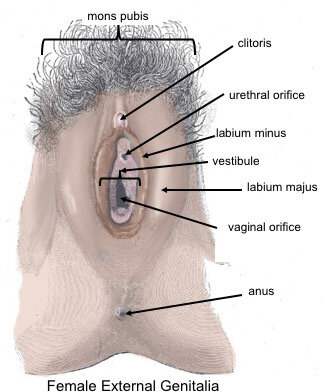
The main parts of the vulva are the labia and the clitoris. The labia are folds of skin that protect the sensitive openings to the vagina and urethra. The outer folds are the labia majora, and the inner folds are the labia minora.
The clitoris, located at the top of the vulva, is a highly sensitive organ. Its sole purpose is sexual pleasure. While only a small tip (the glans) is visible, the clitoris extends deep into the body, with internal structures that swell with blood during arousal.
clitoris
noun
A female sexual organ that is the primary center of sexual pleasure. It has a complex internal structure and is rich in nerve endings.
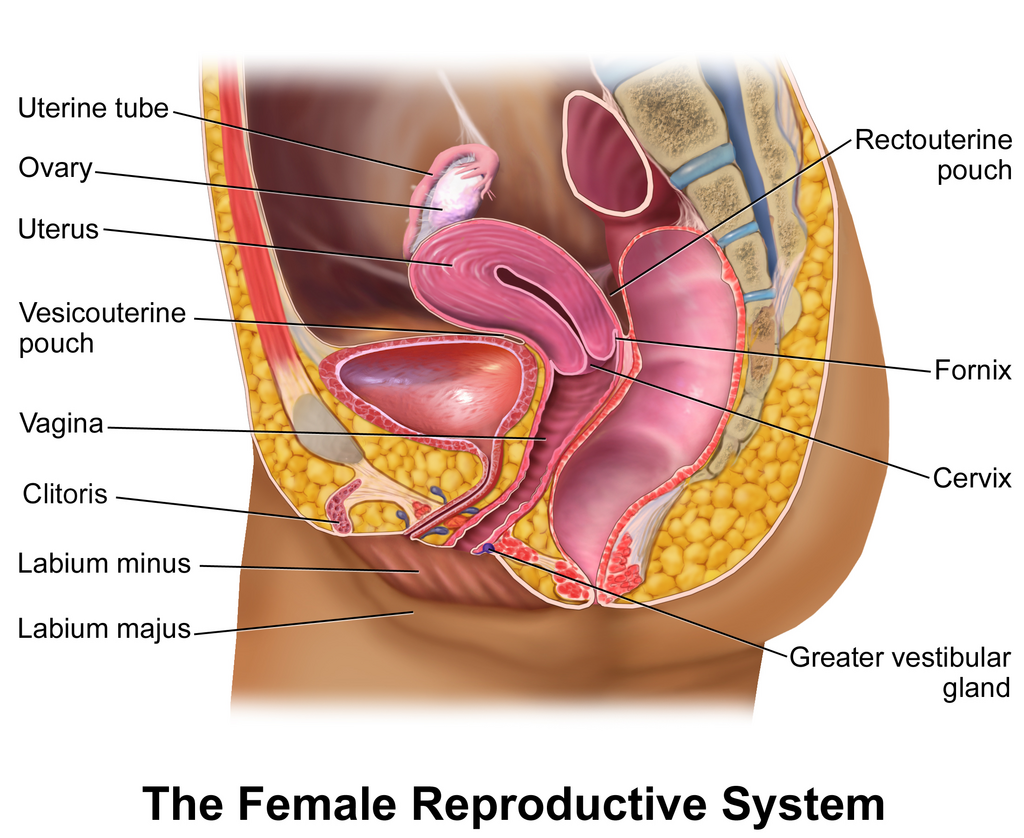
Internally, the vagina is a muscular canal that connects the vulva to the cervix, which is the lower part of the uterus. The vagina is flexible and expands during arousal and childbirth. It also produces lubrication to make intercourse more comfortable.
Beyond the vagina lie the uterus, fallopian tubes, and ovaries. While essential for reproduction, they play a less direct role in the physical sensations of sexual activity, though uterine contractions are a key part of orgasm.
Male Sexual Anatomy
The primary external male sexual organs are the penis and the scrotum.
penis
noun
The male organ used for urination and sexual intercourse. It contains erectile tissue that fills with blood to become firm.
The penis consists of a shaft and a head, called the glans, which is rich in nerve endings. It contains spongy erectile tissues, the corpora cavernosa and corpus spongiosum, that fill with blood to cause an erection. The urethra, a tube that carries both urine and semen, runs through the center of the penis.
The scrotum is the pouch of skin that hangs below the penis. Its main job is to hold and protect the testes, or testicles. It also regulates their temperature, keeping them slightly cooler than the rest of the body, which is necessary for sperm production.
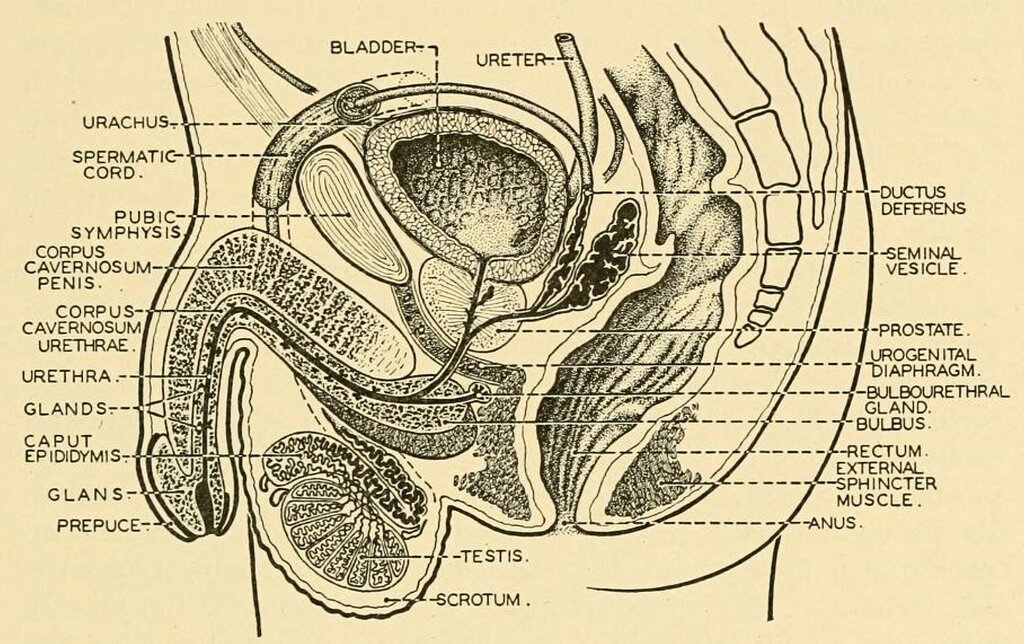
Inside the body, a network of glands and tubes produces and transports semen. The testes produce sperm and testosterone. Sperm mature and are stored in the epididymis, a coiled tube on the back of each testis. During ejaculation, sperm travel through a tube called the vas deferens and mix with fluids from the seminal vesicles and the prostate gland to create semen.
The Sexual Response Cycle
Physiologically, the body goes through four distinct phases during sexual activity. This is known as the sexual response cycle, and it happens in both men and women, though the timing and intensity can vary.
1. Excitement: This is the initial phase of arousal. Blood flow increases to the genitals, causing the clitoris to swell and the vagina to lubricate in females, and the penis to become erect in males. Heart rate and breathing speed up.
2. Plateau: Arousal intensifies. The changes from the excitement phase continue to build. In females, the outer part of the vagina swells, and the clitoris retracts slightly. In males, the testes draw closer to the body, and pre-ejaculate may be released.
3. Orgasm: This is the peak of sexual excitement and the shortest phase. It involves a series of involuntary muscle contractions. In females, the muscles of the vagina and uterus contract rhythmically. In males, muscles at the base of the penis contract to expel semen (ejaculation).
4. Resolution: The body gradually returns to its unaroused state. Swelling subsides, and heart rate and breathing return to normal. Males enter a refractory period where they cannot have another orgasm for some time. Females may be able to experience further orgasms more quickly.
Familiarizing yourself with this cycle can help you better understand your own body's responses and communicate more effectively with a partner.
Now, let's test your knowledge on these anatomical structures and their functions.
What is the primary function of the clitoris?
The main role of the scrotum is to regulate the temperature of the testes for optimal sperm production.
Knowing the basic anatomy and physiology of sexual response is the first step toward a more mindful and connected sexual experience.