Exploring Senna Leaf
Introduction to Senna Leaf
Meet the Senna Plant
For centuries, people have turned to plants for remedies. One of the most well-known is Senna, a large group of flowering plants in the legume family, Fabaceae. The term "senna" typically refers to the leaves or pods of plants from the Senna genus, which have long been used as a natural laxative.
There are hundreds of species within the Senna genus, but two are most commonly used for medicinal purposes: Senna alexandrina (also known as Alexandrian or Tinnevelly senna) and Senna alata.
These plants are native to tropical and subtropical regions around the world, including Africa and India. They are typically shrubs or small trees, recognizable by their distinct leaves and bright flowers.
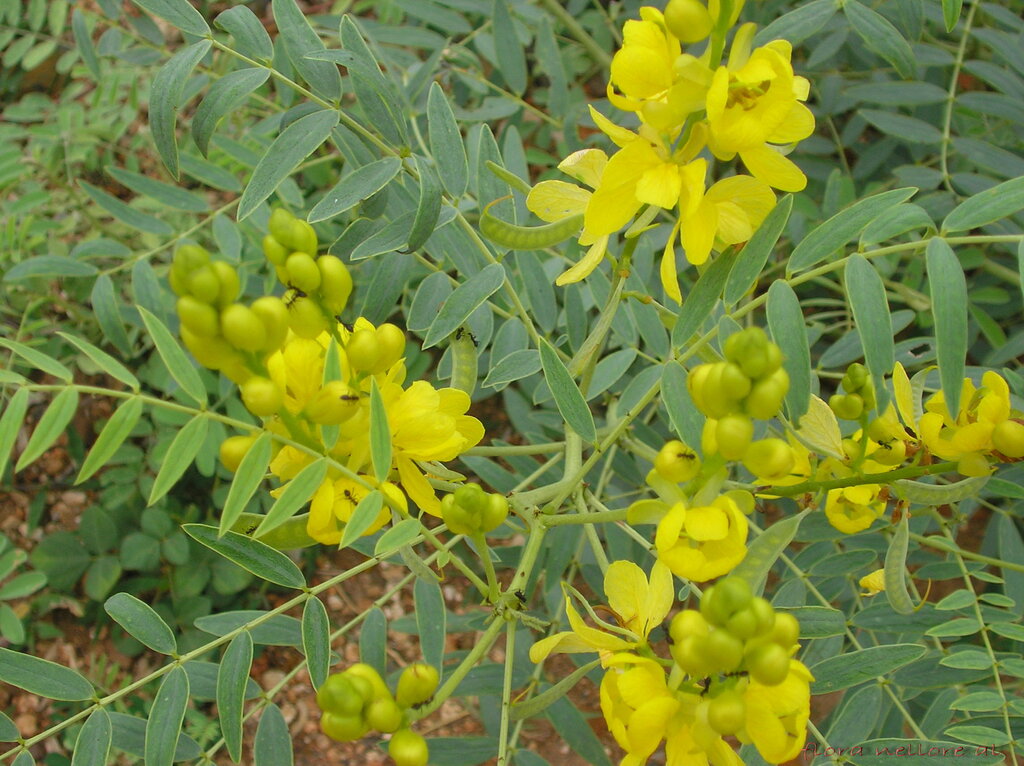
Senna plants have compound leaves, meaning each leaf is made up of several smaller leaflets arranged on either side of a central stalk. This gives the foliage a feathery look. The plants produce clusters of vibrant yellow flowers, which eventually develop into flattened pods containing seeds. The leaves and pods are the parts harvested for their medicinal properties.
A Long History of Use
Senna's use in medicine isn't a recent discovery. Its history stretches back thousands of years. Ancient Egyptian physicians were using it as early as 1500 BCE, and it has been a staple in traditional healing systems like Ayurveda and Traditional Chinese Medicine for just as long.
Historically, botanicals were chosen for their medicinal benefits.
Arabian physicians are credited with introducing senna to European medicine around the 9th or 10th century. From there, its use spread, becoming a common and trusted herbal remedy across the continent. It was typically prepared as a tea or infusion from the dried leaves or pods.
Today, senna is still one of the most widely used herbal laxatives and is an approved over-the-counter medicine in many countries.
What is the primary medicinal use of the Senna plant?
Which parts of the Senna plant are harvested for their medicinal properties?
That's a brief introduction to the Senna plant, its appearance, and its long-standing place in medicine.