Exploring Remote Viewing
Introduction to Remote Viewing
What is Remote Viewing?
Remote viewing is a structured, systematic process for gathering information about a target that is distant in space or time. The target could be a person, place, object, or event. The key idea is that this information is perceived without using your five known senses.
Think of it as a mental martial art. It’s not a vague, passive experience, but an active, disciplined skill you can learn and practice.
Unlike a random daydream or a gut feeling, remote viewing follows a specific set of rules and procedures, often called a protocol. This protocol is designed to help the viewer separate true, target-related information from their own imagination, memories, and logical deductions. The process is done 'blind,' meaning the viewer doesn't know what the target is beforehand. This prevents their own thoughts from coloring the results.
A Quick Look Back
The practice of remote viewing as we know it today has its roots in scientific research that began in the 1970s. Researchers at institutions like the Stanford Research Institute (SRI) developed standardized protocols to study the nature of human consciousness and its potential to perceive information beyond the physical senses. Their work aimed to create a repeatable method for exploring these abilities in a controlled, scientific way.
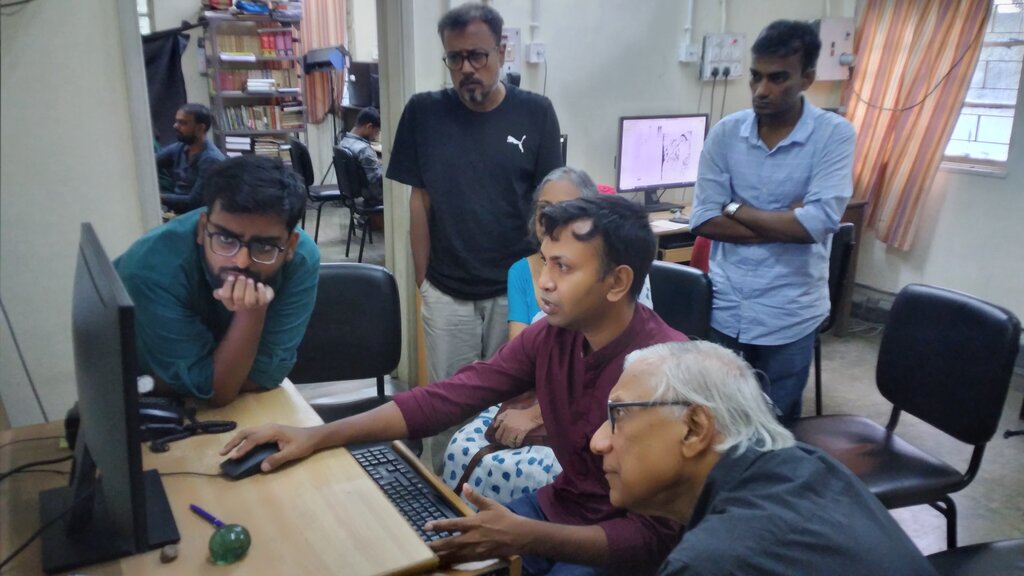
This research laid the foundation for the structured techniques taught today. The goal was to move beyond anecdotal reports of psychic events and develop a trainable, reliable skill. Over time, these protocols were refined and adapted, eventually making their way out of the laboratory and into the public domain for anyone to learn.
How Is It Different?
The term 'remote viewing' is often lumped in with other psychic phenomena, but there are important distinctions. The primary difference lies in its structured, protocol-based approach.
| Phenomenon | Description | Key Feature |
|---|---|---|
| Remote Viewing | A structured protocol for gathering information about a blind target. | Systematic, repeatable, and 'blind' to prevent guessing. |
| Clairvoyance | The spontaneous perception of events or objects without sensory input. | Often spontaneous, unstructured, and visual ('clear seeing'). |
| Telepathy | The direct communication of thoughts from one mind to another. | Involves a sender and a receiver of mental information. |
| Precognition | The ability to perceive information about future events. | Focuses specifically on information from the future. |
While these phenomena might tap into similar underlying abilities, remote viewing is unique because it is a process. It's a method designed to be learned and practiced, with built-in safeguards to improve the accuracy and reliability of the information received.
What's Next?
This course is designed to guide you step-by-step through the fundamentals of remote viewing. We won't just talk about theory; we'll focus on the practical skills you need to start your own practice. Here's a brief look at what we'll cover in the upcoming sections:
We will begin with the core of remote viewing: the protocol. You'll learn the structured stages of a session, from initial contact with the target to organizing your perceptions. Let's get started.