Exploring Public Generative AI Platforms
Introduction to Generative AI
What is Generative AI?
Generative AI is a type of artificial intelligence that creates new content. Instead of just analyzing or categorizing existing data, it generates something original. This could be a story, a song, a piece of code, or a picture that has never existed before.
Generative AI is a branch of artificial intelligence that focuses on creating new content such as text, images, code, music and video using models like transformers, GANs and diffusion models.
Think of the difference between an art critic and an artist. The critic analyzes existing paintings, identifying styles and techniques. This is similar to traditional AI, which is often used to classify information—for example, identifying spam in your email.
The artist, on the other hand, uses their knowledge of styles and techniques to create a new painting. This is what generative AI does. It learns the patterns and structures from a massive dataset and then uses that understanding to produce novel work.
A Quick History
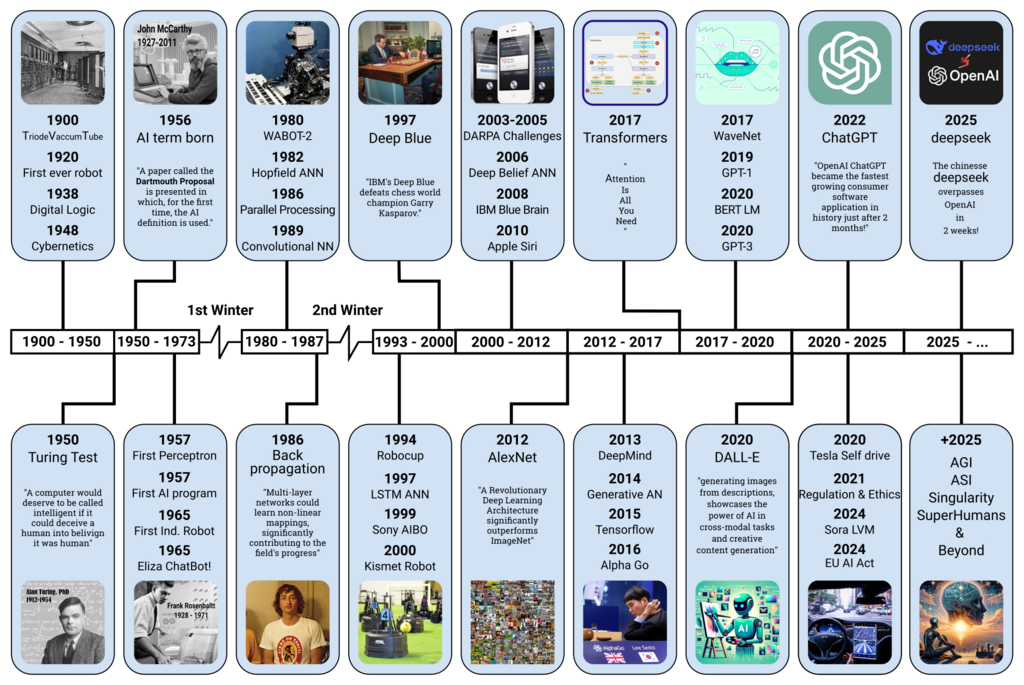
The idea of machines that can create isn't new, but for decades, it was mostly confined to science fiction and research labs. Early systems could generate simple text or basic patterns, but they lacked the nuance and coherence of human creativity.
The last decade, however, has seen an explosion of progress. This is largely due to two things: the availability of massive amounts of digital data to train on, and the development of more powerful computer hardware and sophisticated model architectures. These advancements have allowed generative AI to leap from a niche academic field to a mainstream technology.
How Does It Work?
At a high level, generative models work in two main phases: training and generation.
During training, the model is fed a vast dataset. For an image model, this might be millions of pictures with their descriptions. For a text model, it could be a huge portion of the internet—articles, books, and websites. By processing this data, the model learns the statistical relationships, patterns, structures, and styles within it. It's not memorizing, but rather building an internal representation of the data.
Once training is complete, the model can move to the generation phase. When you give it a prompt, like a line of text or a question, the model uses its learned patterns to predict what should come next. It generates content word by word or pixel by pixel, producing a new and original output that is statistically consistent with the data it was trained on.
Types of Generative Models
Generative AI isn't a single technology but a broad category with many different applications. Two of the most common types you'll encounter are text-to-text and text-to-image models.
Text-to-Text Models These models take a text prompt and generate a text response. They are the power behind conversational AI, chatbots, and writing assistants. You can ask them to write an email, summarize a long article, debug a piece of code, or even compose a poem. They work by predicting the most likely sequence of words to follow your input.
For example, if you input, "The first person to walk on the moon was," the model draws on its training to predict the most probable and factually correct completion: "Neil Armstrong."
Text-to-Image Models These models translate a written description into a visual image. You can give them a prompt like "a photorealistic astronaut riding a horse on Mars," and the model will generate a picture that matches that description. It does this by associating the words in your prompt with the visual concepts it learned during training, then building an image pixel by pixel that represents those concepts.
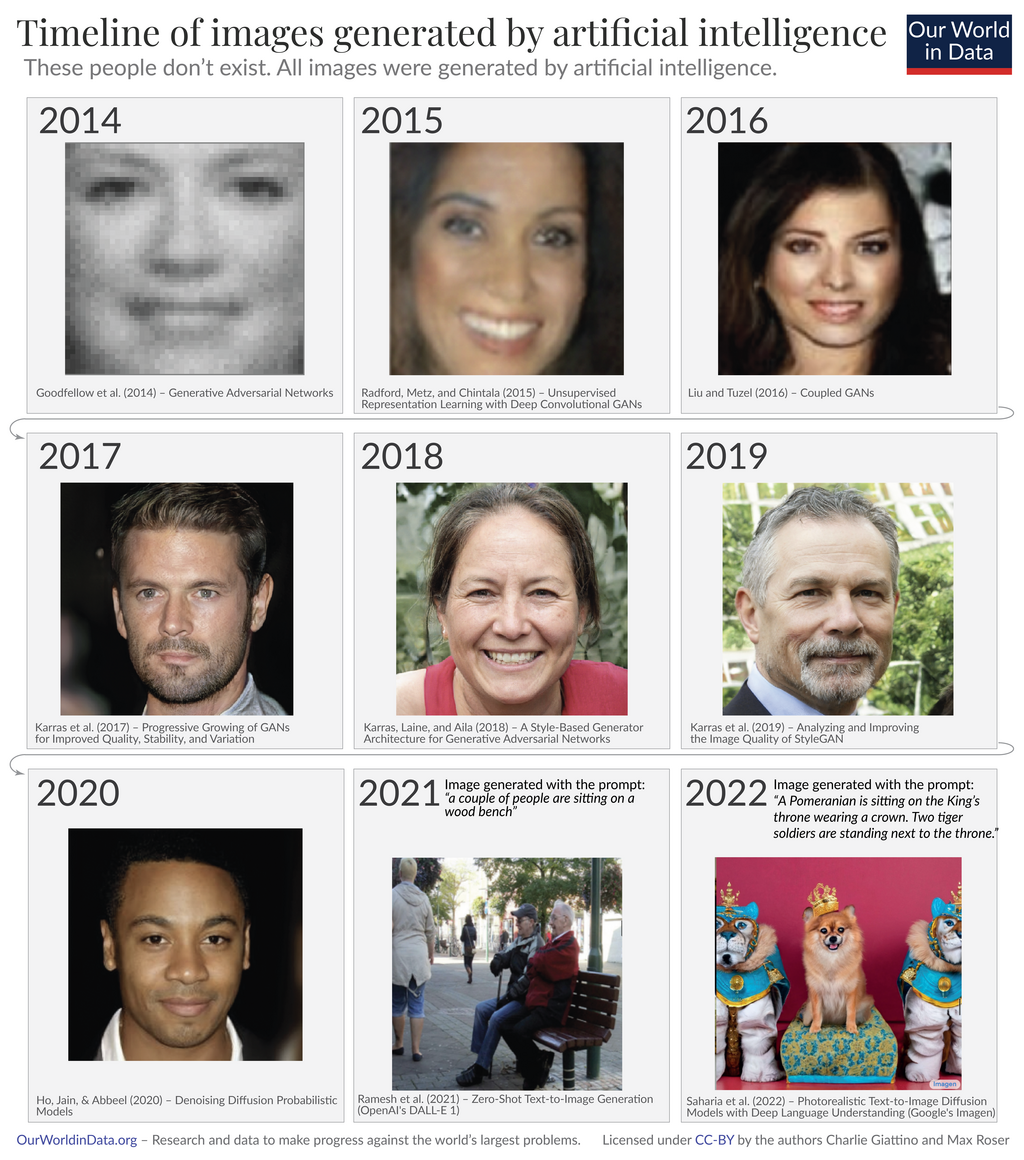
These are just two examples. Generative AI is also being used to create music, generate realistic voice audio, write software, and much more. It's a foundational technology that is quickly being integrated into countless tools and workflows.
What is the primary function of Generative AI?
The provided text uses an analogy to differentiate between traditional AI and Generative AI. What is that analogy?
This is just the beginning. Understanding these core concepts provides the foundation needed to explore how these powerful models are built and used responsibly.