Exploring Psychokinesis
Introduction to Psychokinesis
The Mind Over Matter Puzzle
Have you ever wished you could move an object just by thinking about it? The idea of mind influencing matter is a fascinating and ancient one. This concept is formally known as psychokinesis, often shortened to PK. It's also popularly called telekinesis.
Psychokinesis
noun
The supposed ability to influence a physical system without physical interaction.
The term "psychokinesis" was coined in the early 20th century, but the idea is much older. It gained significant public attention during the Spiritualism movement of the 19th and early 20th centuries. During séances, mediums claimed to channel spirits that would levitate tables, knock on walls, or produce mysterious objects out of thin air. These events were among the first widely reported instances of what we would now call psychokinesis.
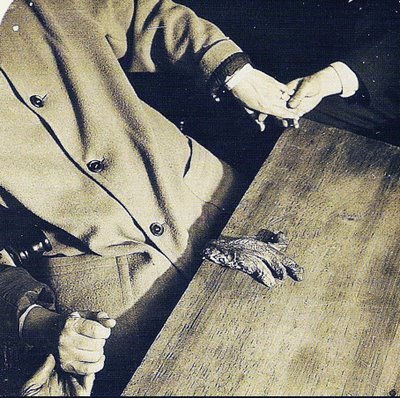
While many of these early demonstrations were later exposed as hoaxes, they sparked a lasting curiosity. Could the human mind really exert a direct force on the world around it?
Big and Small Influences
Parapsychologists, who study these purported abilities, generally split psychokinesis into two main categories based on the scale of the effect. The distinction helps organize the wide range of phenomena attributed to PK.
| Type | Description | Examples |
|---|---|---|
| Macro-PK | Large-scale effects that are directly observable with the naked eye. | Bending cutlery, levitating objects, making a clock hand move. |
| Micro-PK | Small-scale effects on systems that require statistics to detect. | Influencing a coin toss, affecting the output of a random number generator. |
Macro-PK is what most people picture when they hear the word telekinesis—dramatic, visible displays of mental power. Think of movie characters who can stop bullets or move cars with their mind. These are classic examples of large-scale psychokinesis.
Micro-PK is much more subtle. It involves trying to mentally influence probabilistic events, like the outcome of a dice roll or the random decay of a radioactive particle. The idea isn't to make a die land on a 6 every single time, but to see if mental intention can make it land on 6 slightly more often than chance would predict over many thousands of rolls. These small statistical nudges are the focus of most modern PK research.
Whether the goal is to float a feather or slightly alter a random sequence of numbers, the core claim of psychokinesis is the same: consciousness can directly interact with the physical world.
Where Does PK Fit?
Psychokinesis is a key area of study within the field of parapsychology. This field explores phenomena that seem to fall outside the current understanding of mainstream science. Parapsychology is broadly divided into two categories: extrasensory perception (ESP) and psychokinesis (PK).
You can think of it as a simple input/output model. ESP deals with receiving information from the world in unconventional ways, like telepathy (mind-to-mind communication) or clairvoyance (knowing about distant events). It's about information coming in.
Psychokinesis is the opposite. It deals with exerting an influence on the world. It’s about intention going out.
By understanding PK's place in this broader context, we can see it as one half of a larger question: what is the true nature of consciousness, and how does it relate to the physical universe? While ESP explores the mind's ability to perceive, PK investigates its potential to act.