Exploring Political Systems
Introduction to Political Systems
The Rules of the Game
Every country has a set of rules for how it's run. This framework is its political system. Think of it as the operating system for a society. It's the collection of formal institutions, laws, and procedures that make up a government and determine how power is distributed and used.
A political system answers the big questions: Who makes the rules? Who has the authority to enforce them? And how are leaders chosen?
State
noun
A nation or territory considered as an organized political community under one government.
Types of Systems
While there are many variations, political systems can be grouped into a few main categories based on who holds power. The most common types are democracies, monarchies, and authoritarian regimes. Each has a fundamentally different approach to governing.
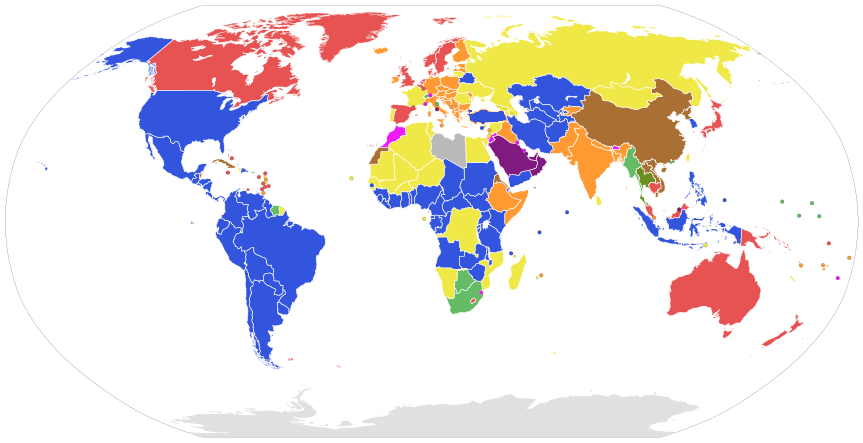
In a democracy, power rests with the people. Citizens typically exercise this power by voting in elections to choose their leaders and representatives. Key principles include free and fair elections, protection of individual rights, and the rule of law.
In a monarchy, a single person, the monarch, holds sovereign authority. This position is usually inherited. In a constitutional monarchy, the monarch's power is limited by a constitution, and they serve as a symbolic head of state. In an absolute monarchy, the monarch has unrestricted political power.
Authoritarian systems concentrate power in the hands of a single leader or a small group. This power is not accountable to the public. These regimes often limit political freedoms and suppress opposition. There are no free elections, and the government controls many aspects of life.
| System | Who Holds Power? | How are Leaders Chosen? |
|---|---|---|
| Democracy | The people | Elections |
| Monarchy | A single monarch | Hereditary succession |
| Authoritarian | A single leader or small group | Seizure of power or internal selection |
The Building Blocks
Regardless of the type, most modern political systems are divided into three main parts, or branches. This division, known as the separation of powers, helps prevent any single part of the government from becoming too powerful.
-
Legislative Branch: This is the lawmaking body. It's usually made up of elected representatives in a parliament, congress, or assembly. Their main job is to draft, debate, and pass laws.
-
Executive Branch: This branch is responsible for implementing and enforcing the laws created by the legislature. It's typically led by a president or prime minister and includes government departments and agencies.
-
Judicial Branch: This branch interprets the laws. It consists of courts and judges who resolve legal disputes and decide whether laws violate the country's constitution. They act as the final authority on legal questions.
Core Government Functions
The three branches work together to perform the essential functions of a political system. Each function corresponds directly to one of the branches.
Lawmaking: The process of creating legislation. The legislative branch identifies needs, proposes bills, and votes them into law.
Enforcement: The process of carrying out laws. The executive branch uses its agencies, like the police, to ensure that laws are followed.
Adjudication: The process of interpreting laws and resolving disputes. The judicial branch hears cases and makes legally binding decisions.
Now that you know the basics, let's review some of the key terms.
Ready to test your knowledge?
What is the primary purpose of a country's political system?
In a country where citizens vote for their leaders in regularly scheduled, competitive elections, which type of political system is most likely in place?
Understanding these fundamental concepts is the first step to making sense of how governments around the world are structured and how they function.