Exploring Polish Culture
Introduction to Polish History
From Tribes to a Kingdom
Poland's story begins with Slavic tribes settling in the fertile river valleys of the Vistula and Oder. Among these groups, the Polans, or “people of the fields,” rose to prominence. Their leader in the 10th century, Duke Mieszko I, is considered the first historical ruler of Poland. He united several neighboring tribes under his rule, laying the foundation for a unified state.
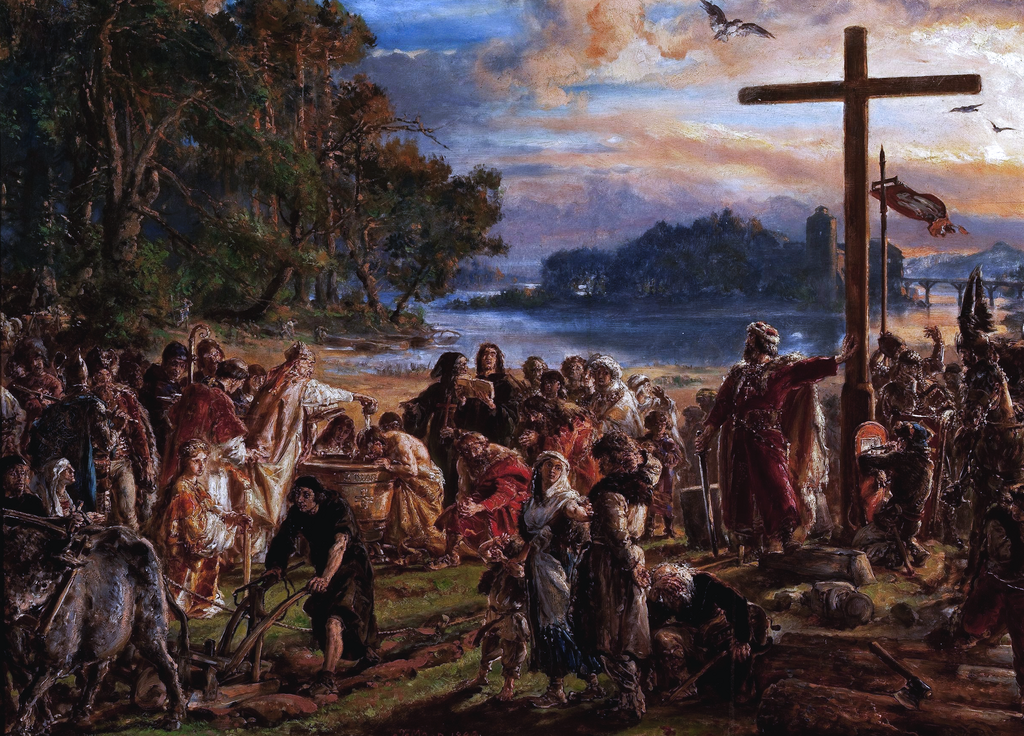
A pivotal moment in Polish history occurred in 966 when Mieszko I converted to Christianity. This decision was not just a matter of faith; it was a strategic political move. By adopting Latin Christianity, Poland aligned itself with Western Europe, particularly the Holy Roman Empire, rather than the Byzantine sphere of influence. This act prevented forced conversion by neighboring Christian powers and elevated Poland's status, integrating it into the political and cultural fabric of medieval Europe. The new religion also helped unify the diverse tribes under a single spiritual authority, strengthening the central rule of the Piast dynasty, which Mieszko founded.
A Golden Age and a Sudden Fall
Centuries later, Poland entered a golden age through its union with the Grand Duchy of Lithuania. The Polish-Lithuanian Commonwealth, formed in 1569, became one of the largest and most powerful states in Europe. It was notable for its unique political system, an elective monarchy, and a high degree of religious tolerance compared to the rest of Europe during the wars of religion.
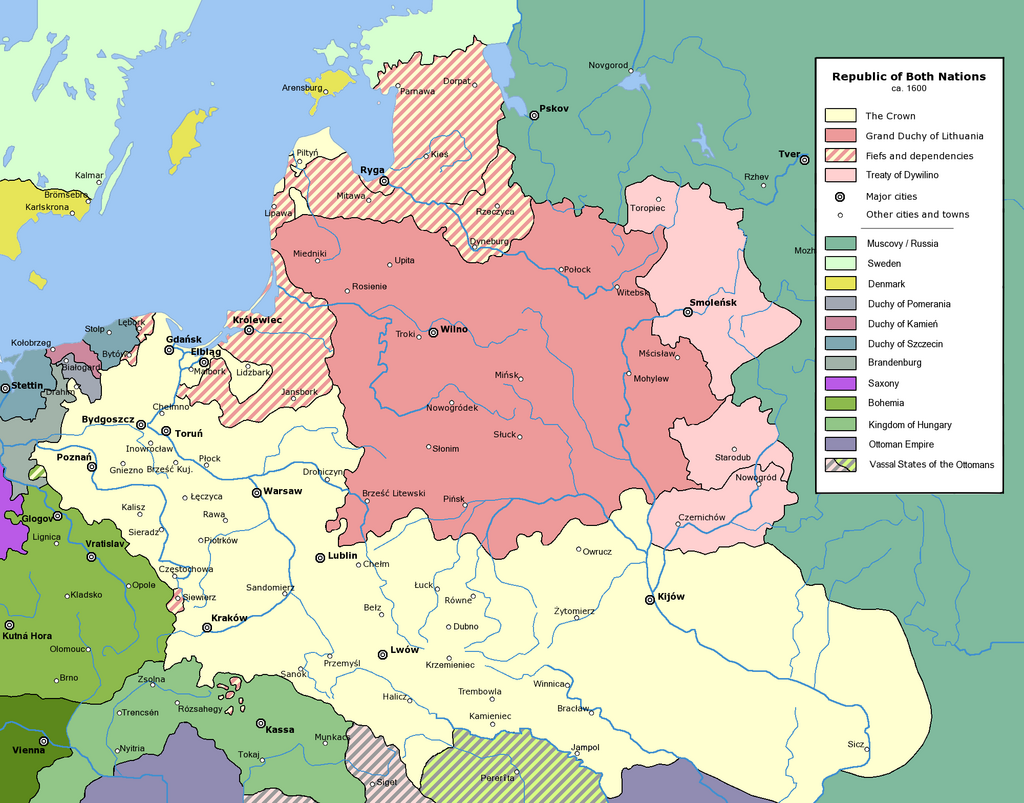
However, this period of strength eventually gave way to internal weakness and external pressure. The elective monarchy, once a symbol of noble liberty, became a source of instability, allowing foreign powers to interfere in Polish affairs. By the late 18th century, the once-mighty Commonwealth was critically weakened.
Sensing an opportunity, the neighboring empires of Russia, Prussia, and Austria decided to carve up Polish territory for themselves. This process, known as the Partitions of Poland, occurred in three stages.
| Partition | Year | Annexing Powers |
|---|---|---|
| First | 1772 | Russia, Prussia, Austria |
| Second | 1793 | Russia, Prussia |
| Third | 1795 | Russia, Prussia, Austria |
After the final partition in 1795, Poland vanished from the map of Europe for 123 years. Despite the loss of statehood, the Polish people preserved their language, culture, and national identity through uprisings and cultural resistance. The dream of a free Poland lived on.
The Twentieth Century
Poland was reborn as an independent nation in 1918 at the end of World War I. This hard-won freedom, however, would be short-lived. Just two decades later, Poland became the first country to be invaded in World War II. In September 1939, it was attacked and occupied by both Nazi Germany and the Soviet Union.
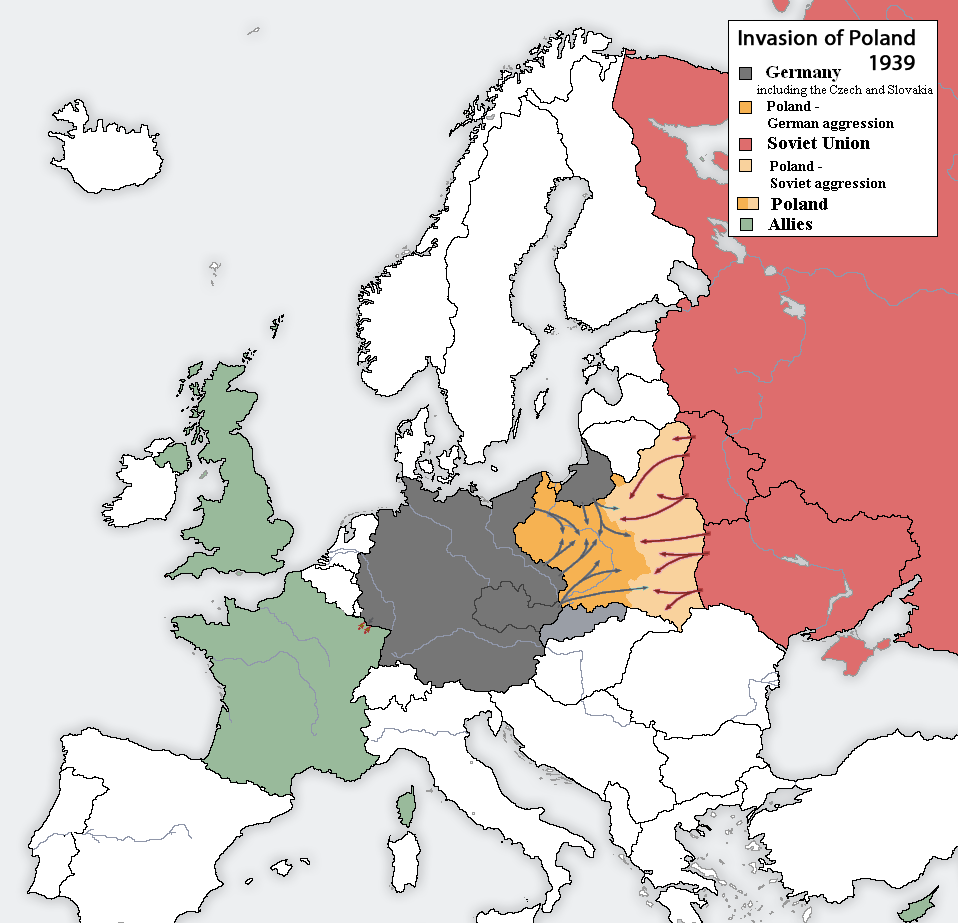
The war was an unparalleled catastrophe for Poland. The country suffered immense human and material losses. Approximately six million Polish citizens, half of them Polish Jews, were killed. Cities like Warsaw were systematically destroyed. The occupation was brutal, marked by mass executions, concentration camps, and the Holocaust, which was largely carried out on Polish soil.
After the war, Poland did not regain true sovereignty. It fell under the Soviet sphere of influence and became a communist satellite state, known as the Polish People's Republic. The government was controlled by the Communist Party, and the economy was centrally planned. Life during the Cold War was characterized by political repression, censorship, and economic hardship.
Despite the oppressive regime, resistance continued. The 1980s saw the rise of the Solidarity movement, a trade union that grew into a nationwide social movement demanding political change. Led by Lech Wałęsa, Solidarity played a crucial role in challenging communist rule not just in Poland, but across Eastern Europe.
Modern Poland
The efforts of Solidarity and a weakening Soviet Union led to semi-free elections in 1989, marking the peaceful end of communist rule in Poland. The country embarked on a rapid transition to a democratic government and a market-based economy.
Since 1989, Poland has successfully reintegrated with the West. It joined NATO in 1999 and the European Union in 2004. Today, it stands as a resilient nation with a dynamic economy and a vibrant culture, shaped by a long and often difficult history of struggle for survival and independence.
Who is considered the first historical ruler of Poland, credited with uniting several Slavic tribes in the 10th century?
What was the primary strategic reason for Mieszko I's conversion to Christianity in 966?