Exploring Plant Parts for Young Learners
Introduction to Plants
The Quiet Kingdom
Plants are all around us, but it's easy to forget they are living, breathing organisms, just like us. They grow, respond to their environment, and need certain things to survive. A tiny seed can sprout from the ground, grow towards the sun, and eventually become a towering tree. This ability to grow and change is a key part of what makes something alive.
Plant
noun
A living organism that typically grows in a permanent site, absorbing water and inorganic substances through its roots, and synthesizing nutrients in its leaves by photosynthesis using the green pigment chlorophyll.
Unlike animals, most plants don't move around to find what they need. They are experts at getting everything they require right from where they are planted. But what exactly do they need?
A Recipe for Survival
Think of a plant like a chef that only needs four basic ingredients to make its own food. Those ingredients are sunlight, water, air, and nutrients.
Sunlight is the most crucial source of energy. Plants capture light energy using their leaves, much like a solar panel collects energy for a house. This energy powers a process called photosynthesis, which is how plants create their sugary food.
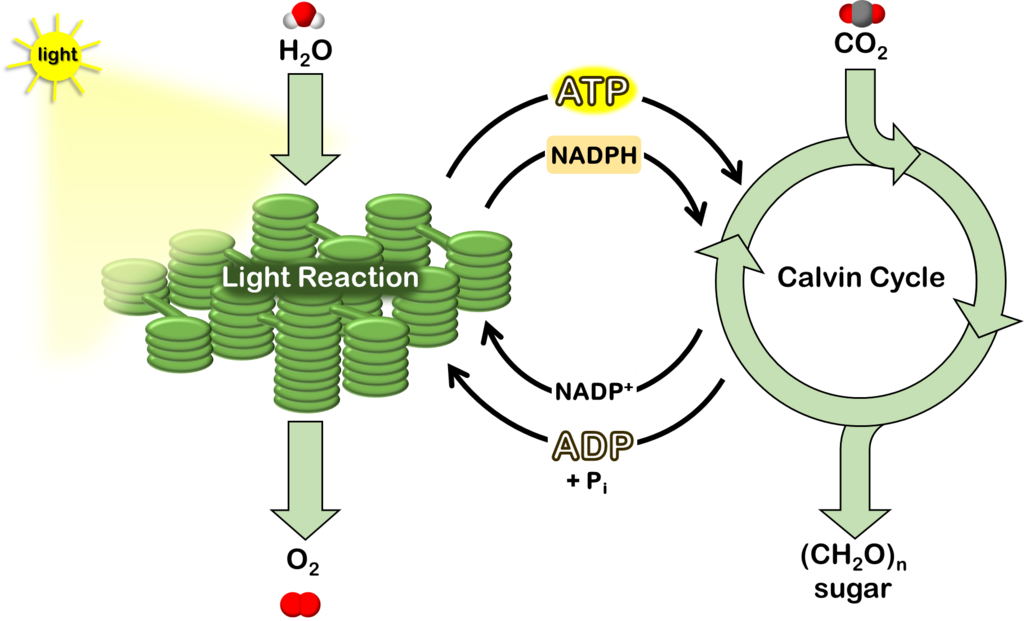
Water is just as vital for a plant as it is for us. Plants soak up water from the soil through their roots. This water travels up through the stem to the leaves, delivering hydration and helping to transport other important materials throughout the plant.
Without water, a plant wilts and cannot perform photosynthesis. It's like trying to cook without any liquid.
Next on the list is air, specifically a gas called carbon dioxide. Humans and animals breathe it out, and plants take it in through tiny pores on their leaves. Carbon dioxide provides the carbon atoms that plants use to build their food molecules.
Finally, plants need nutrients. They pull these minerals and vitamins from the soil through their roots. Nutrients like nitrogen and phosphorus act like building blocks, helping the plant grow strong and healthy leaves, stems, and roots.
The Planet's Foundation
Plants do more than just grow. They make life on Earth possible for everyone else. During photosynthesis, they release oxygen as a byproduct. This is the very oxygen that most animals, including humans, need to breathe.
They are also the foundation of almost every food chain. Some animals eat plants to get energy. Then, other animals eat those plant-eaters. Without plants, there would be no food for most of the world's creatures.
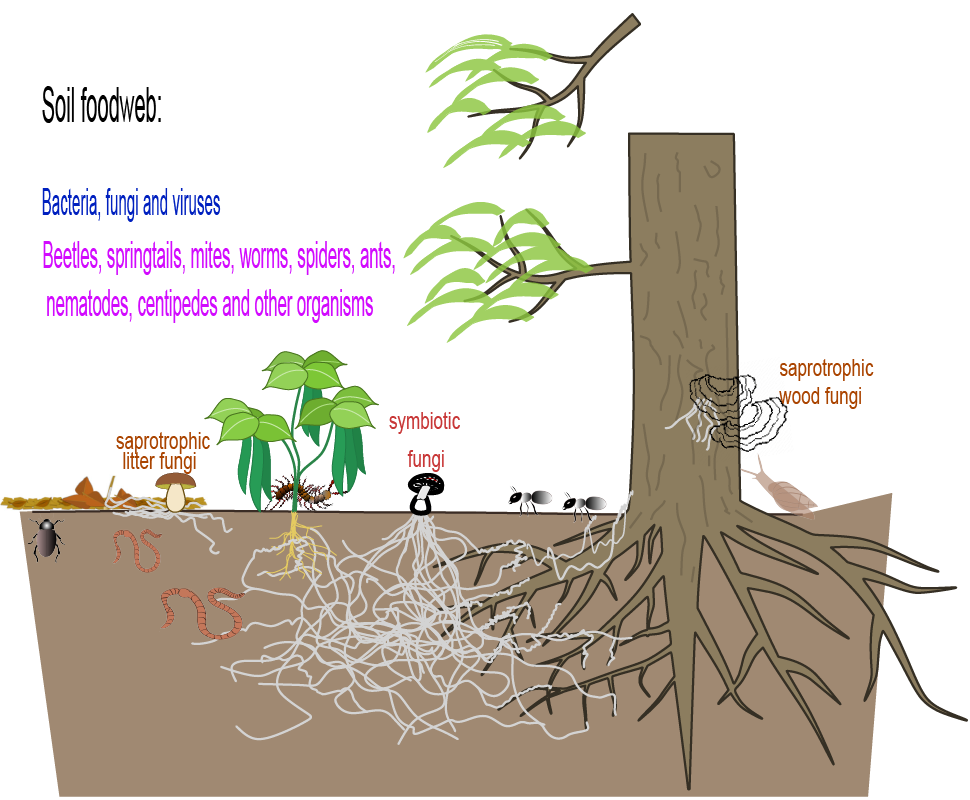
Beyond air and food, plants provide shelter for animals, materials for our homes and clothes, and ingredients for medicines. They hold soil in place to prevent erosion and help regulate the climate. From the tallest redwood to the smallest patch of moss, plants quietly support the entire planet.
What are the four essential things plants need to make their own food?
What is the name of the process where plants use sunlight to convert water and carbon dioxide into food?
Understanding these basics helps us appreciate the vital role plants play. They are the silent, hardworking foundation of our world.