Exploring Planet Earth
Earth's Position
A Place in the Sun
Our home, Earth, holds a specific spot in the vastness of space. It's the third planet orbiting the star we call the Sun. This position isn't random; it's a key reason why life as we know it can exist. Being third in line means we're not too close to the Sun's intense heat, like Mercury and Venus, but not too far away and cold, like Mars and the gas giants beyond.
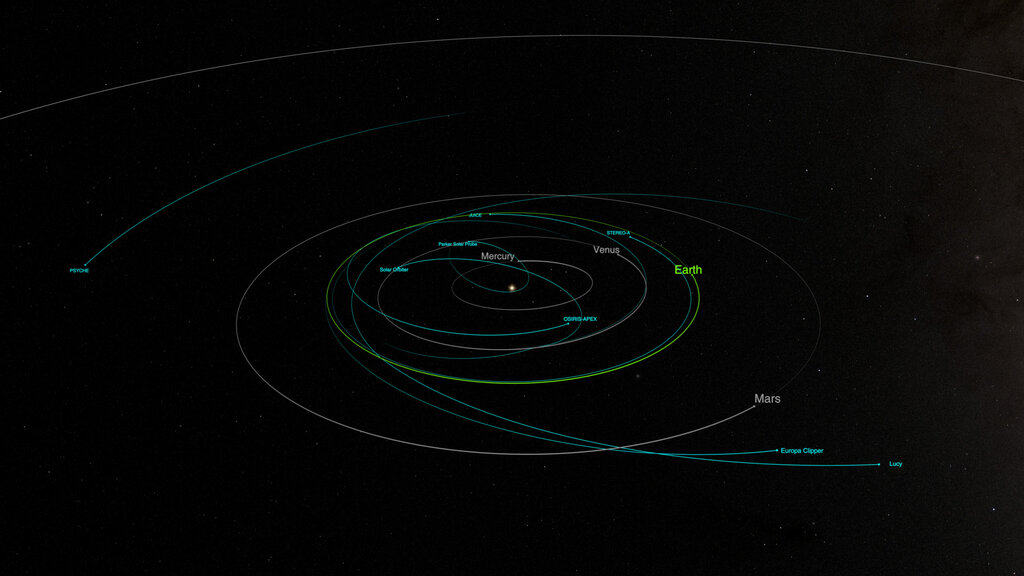
This prime location places us in what scientists call the "habitable zone."
The Goldilocks Zone
The habitable zone is an orbital region around a star where conditions are just right for a planet to have liquid water on its surface. It's often nicknamed the "Goldilocks zone" because it’s not too hot and not too cold, but just right.
Liquid water is considered essential for life. If Earth were much closer to the Sun, its oceans would boil away into space. If it were much farther, they would freeze into solid ice. Our position allows water to exist in all three states: solid, liquid, and gas, which is crucial for the complex systems that support life.
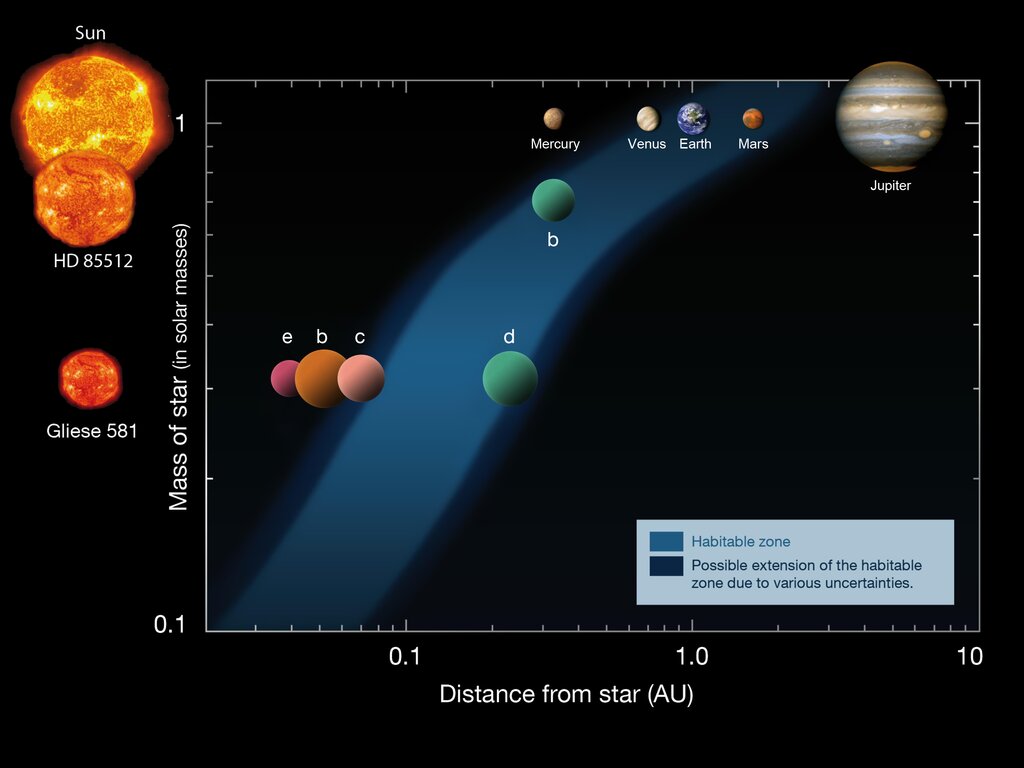
Earth's location in the habitable zone is the first critical ingredient for a life-sustaining planet.
A Tilted Perspective
Besides its orbit, another key feature of Earth is its tilt. Imagine a straight line running through the planet from the North Pole to the South Pole. This is Earth's axis. The planet doesn't spin on an axis that's perfectly upright relative to its path around the Sun. Instead, it's tilted by about 23.5 degrees.
The phenomenon of opposite seasons in the Northern and Southern Hemispheres is a fascinating display of Earth’s intricate positioning in relation to the sun.
This tilt is the reason we have seasons. As Earth journeys around the Sun, different parts of the planet receive more direct sunlight than others. When the Northern Hemisphere is tilted toward the Sun, it experiences summer, while the Southern Hemisphere, tilted away, has winter. Six months later, the situation is reversed.
During an equinox, which happens twice a year in spring and autumn, the tilt is neither toward nor away from the Sun. On these days, the day and night are of approximately equal length all over the planet.
The Yearly Journey
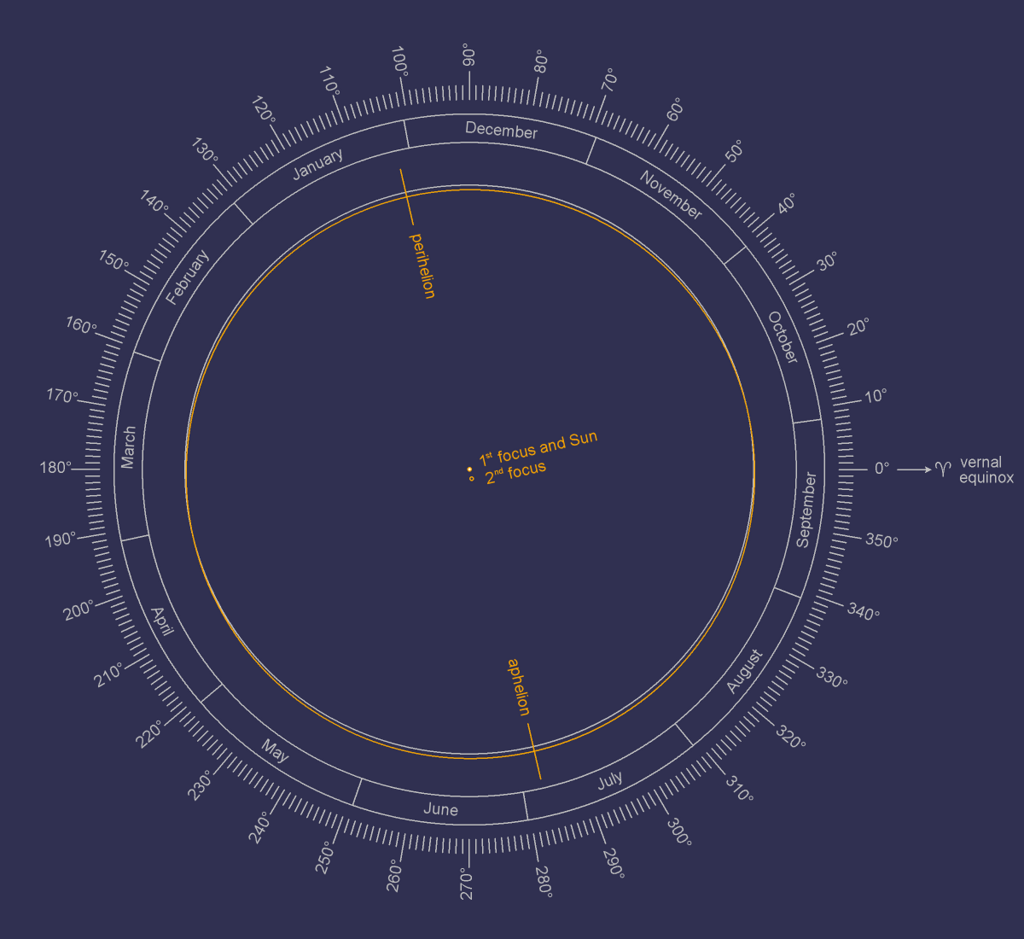
It takes Earth about 365.25 days to complete one full trip, or orbit, around the Sun. This journey isn't a perfect circle. It's a slightly oval-shaped path called an ellipse. This means that our distance from the Sun changes throughout the year.
Sometimes we are slightly closer (a point called perihelion), and sometimes we are slightly farther away (aphelion). It's a common misconception that this changing distance causes the seasons. In fact, for the Northern Hemisphere, Earth is closest to the Sun in January—the middle of winter! This shows just how important the planet's axial tilt is for creating our climate and seasons.
Ready to check your understanding of Earth's place in the cosmos?
What is the primary reason Earth experiences seasons?
The 'habitable zone' around a star, often called the 'Goldilocks zone', is defined as the region where...
Earth's position, orbit, and tilt work together to create the conditions necessary for a dynamic planet capable of supporting a vast diversity of life.