Exploring Operating System Types
Operating System Basics
The Computer's Manager
An operating system, or OS, is the most important software on your computer. It's the master program that manages everything. Without it, your computer is just a box of parts. Think of the OS as the general manager of a busy factory. The factory has machines (hardware) and workers (application software like your browser or music player). The manager's job is to make sure everything runs smoothly, resources are shared fairly, and everyone can do their job without getting in each other's way.
The OS acts as the bridge between you and the physical hardware. When you click an icon, you're not directly telling the processor what to do. You're telling the OS, and the OS translates your request into instructions the hardware can understand. This makes computers much easier to use.
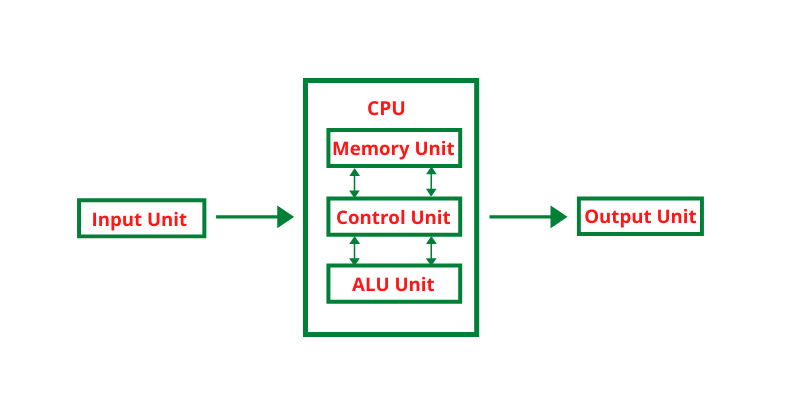
The Four Main Jobs
To keep everything in order, the OS juggles four primary responsibilities. Each one is critical for a functioning computer.
Process Management: A running program is called a process. If you have a web browser, a word processor, and a game open, you have at least three processes running. The OS is like a traffic cop for your computer's processor (CPU). It decides which process gets to use the CPU at any given moment, and for how long. This rapid switching, called scheduling, creates the illusion that many programs are running at the same time.
Memory Management: Every process needs a place to work, and that place is the computer's memory (RAM). The OS acts like a meticulous librarian. It allocates a specific section of memory to each process and ensures that no process interferes with another's space. When you close an application, the OS reclaims that memory so it can be used by another process.
File Systems: Without a file system, your computer's storage would be a chaotic jumble of data. The OS organizes all this data into a structure we can understand: files and folders. It keeps track of where everything is stored, so when you open a document, the OS knows exactly where to find it on the hard drive. It handles creating, reading, writing, and deleting files.
Device Management: Your computer has many parts, from the keyboard and mouse to the printer and graphics card. The OS manages all of them. It uses special software called drivers to communicate with each piece of hardware. When a program wants to print a page, it simply tells the OS, and the OS handles the complex task of sending the right signals to the printer.
Kernel and User Space
At the very heart of the operating system is the kernel. It's the core component that has complete control over everything in the system. The kernel is the first program loaded when the computer starts up, and it handles the most critical tasks, like the process and memory management we just discussed. It's the part of the OS that talks directly to the hardware.
kernel
noun
The central component of an operating system that manages operations of the computer and hardware. It acts as the core interface between the computer's hardware and its processes.
To protect the system, the OS creates a boundary between the kernel and everything else. This leads to two distinct modes of operation.
Kernel space is where the kernel runs. It has unrestricted access to all hardware. This is a privileged, protected area.
User space is where all your normal applications run. These programs have limited access. If an application in user space needs to do something that requires hardware access, like reading a file from the disk, it can't do it directly. Instead, it must make a request to the kernel through a special mechanism called a system call. The kernel then performs the task on behalf of the application and returns the result.
This separation is a crucial security feature. If an application crashes in user space, it typically won't bring down the entire system. The kernel, safe in its own space, can clean up the mess and keep everything else running.
What is the primary role of an operating system?
What is the name of the core component of the OS that has complete control over the system and is the first program loaded when the computer starts?
These core concepts are the foundation of every modern operating system, from the one on your phone to the ones running massive data centers.