Exploring Open Source Software
Introduction to Open Source
What is Open Source?
Open-source software (OSS) is software with source code that anyone can inspect, modify, and enhance. The source code is the set of human-readable instructions that programmers write to create a program. Think of it like a recipe for a cake. With a traditional cake mix, you only get the finished product. With an open-source recipe, you get the full list of ingredients and step-by-step instructions. You can see exactly how it's made, substitute ingredients, or share an improved version with your friends.
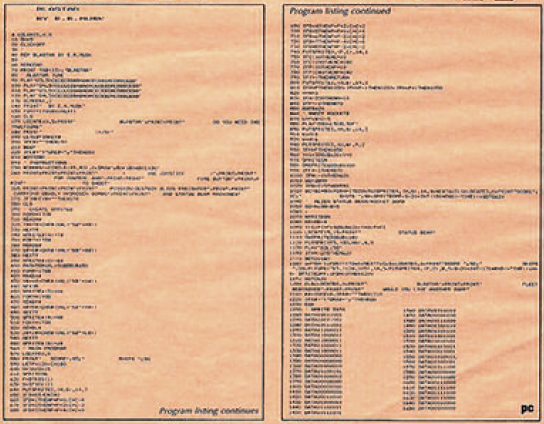
This openness is protected by a special kind of license. These licenses grant everyone the right to use the software, study its source code, change it, and distribute their own versions. This model is built on principles of collaboration, transparency, and community-driven development.
The core idea is simple: you have the freedom to see how software works, change it to fit your needs, and share your improvements with others.
Open vs. Closed
The opposite of open source is proprietary software, also known as closed-source software. With proprietary software, the source code is kept secret. You can use the software, but you can't see or change how it works. It’s like buying a car with the hood welded shut. You can drive it, but you can't look at the engine, make repairs yourself, or customize its performance.
The development process is also fundamentally different. Open-source projects are often developed in public by a community of volunteers and organizations. Proprietary software is typically created by a single company that controls all development and keeps its plans private.
| Feature | Open-Source Software | Proprietary Software |
|---|---|---|
| Source Code | Available to everyone | Kept secret |
| Modification | Anyone can modify it | Only the owner can modify it |
| Distribution | Generally free to share | Restricted by the owner |
| Development | Collaborative and transparent | Private and controlled |
A Brief History
The idea of sharing code has been around since the early days of computing. But the modern open-source movement has its roots in the 1980s with the launch of the free software movement. Led by programmer Richard Stallman, this movement was based on a philosophy of user freedom. Stallman started the GNU Project to create a completely free operating system, emphasizing that "free" meant freedom, not just zero cost.
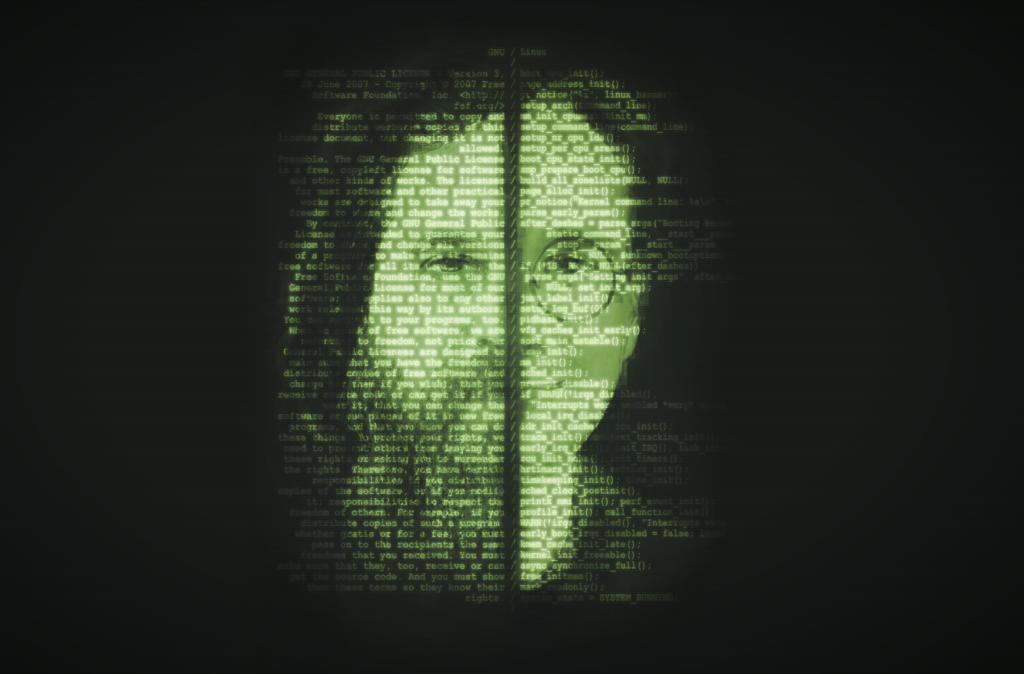
The term "open source" was coined in the late 1990s. It was introduced as a more pragmatic, business-friendly way to talk about the benefits of this development model, without the strong philosophical focus of the term "free software." The Open Source Initiative (OSI) was founded to promote this new term and define what makes a license truly open source.
From these early beginnings, open source has grown to become a cornerstone of the modern technology world. It powers everything from the servers that run the internet to the operating system on your phone.
Now, let's review what you've learned about the fundamentals of open source.
What is the fundamental characteristic of open-source software (OSS)?
The comparison of proprietary software to a 'car with the hood welded shut' primarily illustrates that...