Exploring Muslim Rites and Celebrations
Introduction to Islamic Rites
The Foundation of Muslim Life
Islam provides a clear framework for daily life, guiding everything from personal moments of reflection to large community gatherings. This framework is built on a set of core practices that unite Muslims worldwide and structure their spiritual journey. These practices are not just rituals; they are the essential expression of faith and devotion.
The Five Pillars of Islam are the core practices that define a Muslim’s faith and practice.
These five pillars are the foundation of a Muslim's life. They are obligatory acts of worship that strengthen one's relationship with God and the community. Let's look at each one.
The Five Pillars
1. Shahada: The Declaration of Faith This is the most fundamental pillar. The Shahada is the sincere declaration that there is no god but God (Allah), and that Muhammad is His messenger. Reciting this statement with conviction is the entry point into the Islamic faith. It affirms the core principle of monotheism.
The Testimony
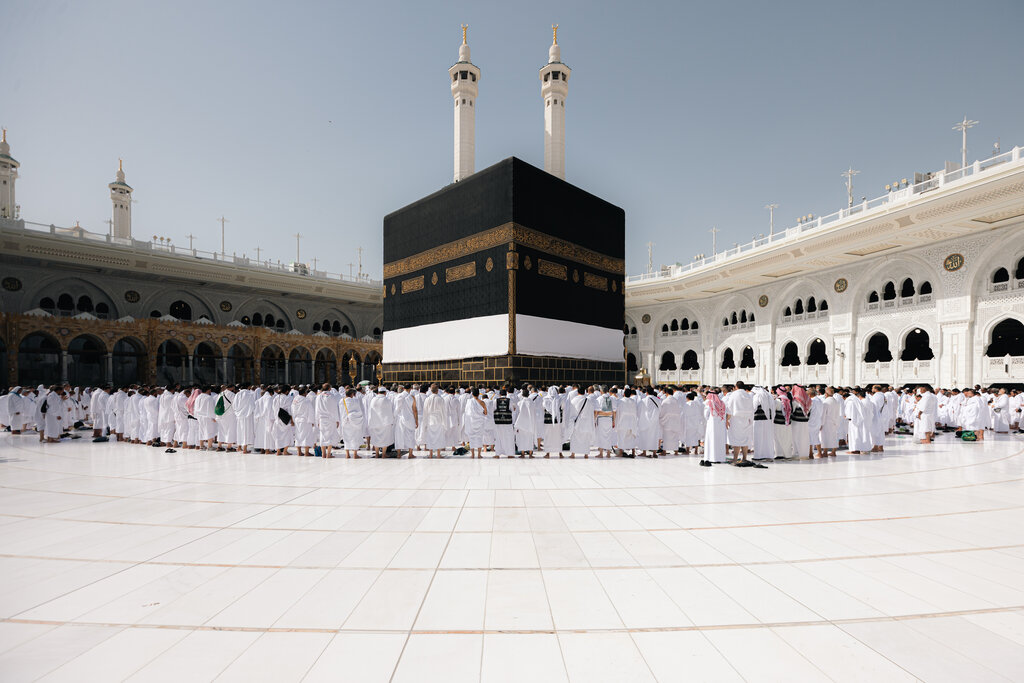
2. Salah: Ritual Prayer Muslims perform formal prayer five times a day, facing the Kaaba in Mecca. These prayers are a direct line of communication with God, performed at dawn, noon, mid-afternoon, sunset, and night. Salah punctuates the day with moments of remembrance and gratitude, keeping believers mindful of their connection to the divine.
3. Zakat: Obligatory Charity Zakat is the practice of charitable giving. It is a mandatory donation of a portion of one's wealth, typically 2.5%, to those in need. This act purifies the wealth of the giver and ensures that the less fortunate are supported. It reinforces the idea that all wealth ultimately belongs to God and fosters a sense of social responsibility and compassion.
Zakat is not just charity; it is considered a right that the poor have over the wealthy.
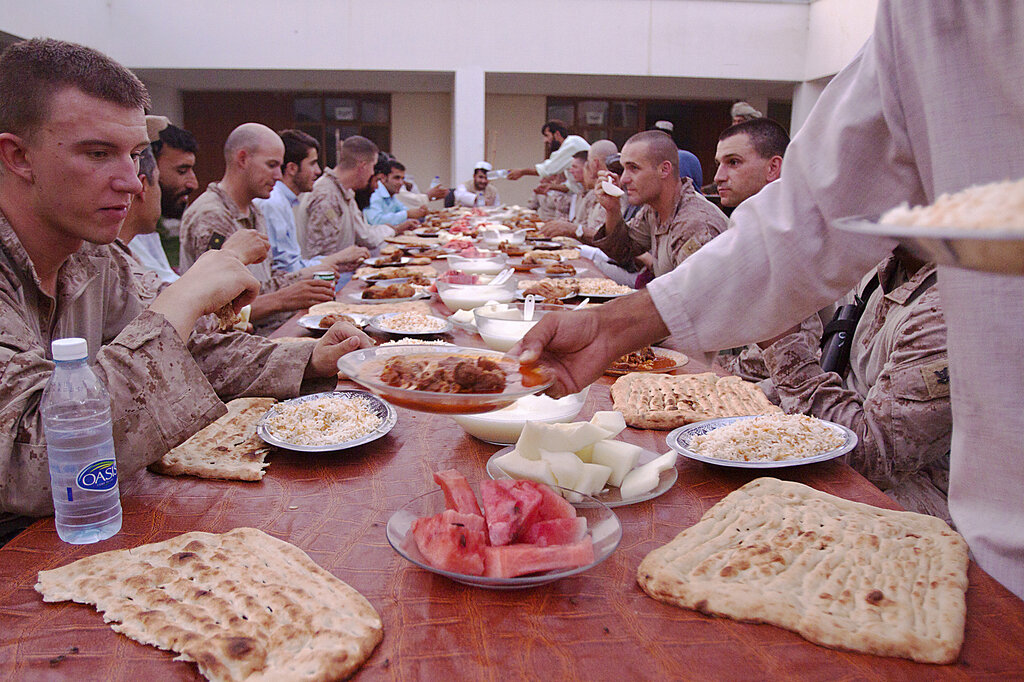
4. Sawm: Fasting During Ramadan During the holy month of Ramadan, healthy adult Muslims are required to fast from dawn until dusk. This involves abstaining from food, drink, and other physical needs. Sawm is a time for deep spiritual reflection, self-discipline, and increased devotion. It helps cultivate empathy for those who are hungry and strengthens one's reliance on God.
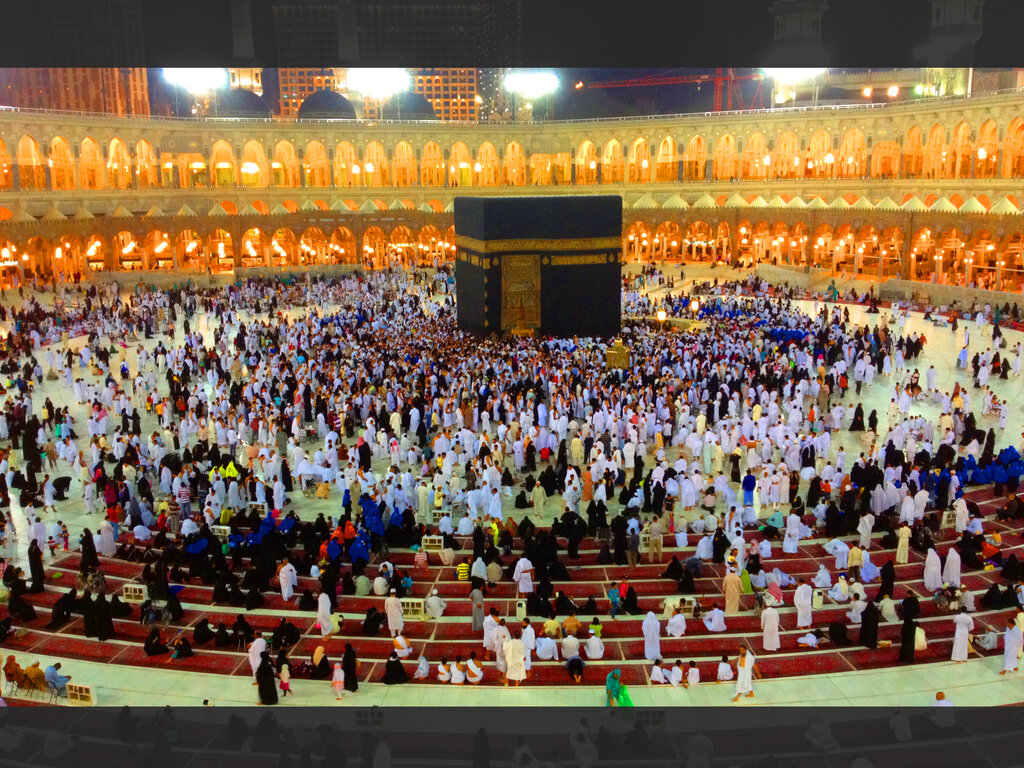
5. Hajj: The Pilgrimage to Mecca The Hajj is a pilgrimage to the holy city of Mecca in Saudi Arabia. Every able-bodied Muslim who can afford it is obligated to make this journey at least once in their lifetime. It is a profound spiritual experience that brings together Muslims from all corners of the world, emphasizing unity and equality before God.
| Pillar | Core Practice |
|---|---|
| Shahada | Declaration of faith in one God and His messenger. |
| Salah | Five daily ritual prayers. |
| Zakat | Annual charitable giving. |
| Sawm | Fasting during the month of Ramadan. |
| Hajj | Pilgrimage to Mecca. |
Festivals and Community
Beyond the Five Pillars, Islamic life is marked by important festivals that bring communities together. These celebrations are not just holidays; they are times for prayer, reflection, charity, and strengthening social bonds.
The two major festivals are Eid al-Fitr, which celebrates the end of Ramadan's fast, and Eid al-Adha, which commemorates the culmination of the Hajj pilgrimage. Both are marked by special prayers, feasting, exchanging gifts, and giving to the poor. These events serve as powerful reminders of shared faith and collective joy, reinforcing the values taught by the Five Pillars.
Now, let's test your understanding of these foundational concepts.
What is the core message of the Shahada, the Islamic declaration of faith?
Towards which holy site do Muslims face when performing the five daily prayers (Salah)?
Together, the Five Pillars and major festivals provide a comprehensive structure for Muslim life, blending individual devotion with communal celebration.