Exploring Moral Philosophy
Introduction to Moral Philosophy
What Is Moral Philosophy?
Moral philosophy, often called ethics, is the branch of philosophy that explores questions about morality. It's a deep dive into what makes actions right or wrong, what constitutes a good life, and what our obligations are to others. At its heart, it's a search for a framework to guide our behavior and help us navigate complex situations where the right path isn't always clear.
Ethics
noun
The branch of philosophy that involves systematizing, defending, and recommending concepts of right and wrong conduct. Also known as moral philosophy.
A key first step is learning to distinguish between moral and non-moral statements. A moral judgment evaluates an action or person as good or bad, right or wrong. For example, saying "Lying is wrong" is a moral judgment. A non-moral judgment, on the other hand, is a statement of fact or preference that doesn't carry ethical weight. "The sky is blue" or "I prefer coffee to tea" are non-moral statements. They describe the world or your tastes, but they don't prescribe how someone ought to act.
Moral Judgment: "It's wrong to steal from a small business." Non-Moral Judgment: "That store sells fresh bread."
Reason and Emotion
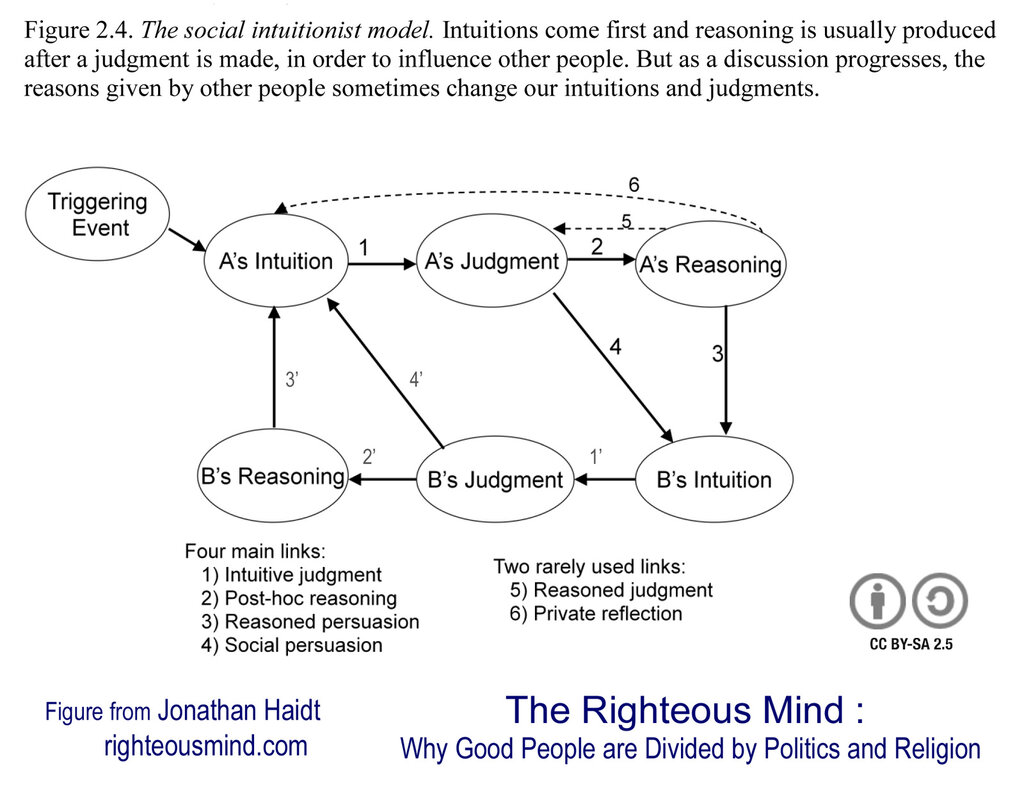
When we face a tough decision, how do we make a choice? Do we follow our gut feeling, or do we reason it out? Moral philosophy suggests we need both. Emotions, like empathy or guilt, can be powerful motivators for moral behavior. They signal that something is ethically important and deserves our attention. If you see someone in pain, your empathetic response might be the first push toward helping them.
But emotion alone isn't enough. Our feelings can be biased or misguided. That's where reason comes in. Reason allows us to step back, analyze the situation, consider the consequences of our actions, and apply consistent principles. It helps us ask questions like, "What if everyone acted this way?" or "Which choice will lead to the greatest good?" Ethical deliberation is a partnership between what we feel and what we think.
The Big Questions
Moral philosophy doesn't just give us answers; more importantly, it teaches us how to ask the right questions. These questions have been debated for centuries and form the foundation of ethical inquiry.
- What is the nature of the good life?
- What makes an action morally right or wrong?
- Are there universal moral rules, or is morality relative to culture and individuals?
- What is the relationship between morality and happiness?
- Do we have moral obligations to animals, the environment, or future generations?
Exploring these questions is the core task of moral philosophy. As we go forward, we'll examine different theories that philosophers have developed to provide systematic answers to them.
Ready to test your understanding?
Which of the following is a moral statement?
According to the text, what is the relationship between reason and emotion in moral decision-making?
Understanding these foundational ideas prepares you to explore the major ethical theories.