Exploring Modern Technology Fields
Introduction to Artificial Intelligence
What Is AI Anyway?
At its heart, artificial intelligence is about teaching computers to think, learn, and solve problems in ways that mimic human intelligence. It’s not about creating conscious robots from science fiction. It’s about building smart tools that can recognize patterns, understand language, and make decisions.
Think of it like teaching a child. You don't program a child with rigid instructions for every possible scenario. Instead, you give them examples and let them learn the underlying rules. AI works similarly, but on a massive scale with data.
Artificial Intelligence
noun
The theory and development of computer systems able to perform tasks that normally require human intelligence, such as visual perception, speech recognition, decision-making, and translation between languages.
Every AI system has three key ingredients: data, algorithms, and computing power.
- Data is the food for AI. It needs vast amounts of information—images, text, numbers—to learn from. The more data it has, the smarter it can become.
- Algorithms are the recipes. They are the sets of rules and statistical techniques that the AI uses to process data, find patterns, and make decisions.
- Computing Power is the oven. Powerful processors are needed to run complex algorithms on massive datasets quickly and efficiently. This is why AI has exploded in recent years; we finally have the hardware to support the ideas scientists have had for decades.
A Quick Trip Through Time
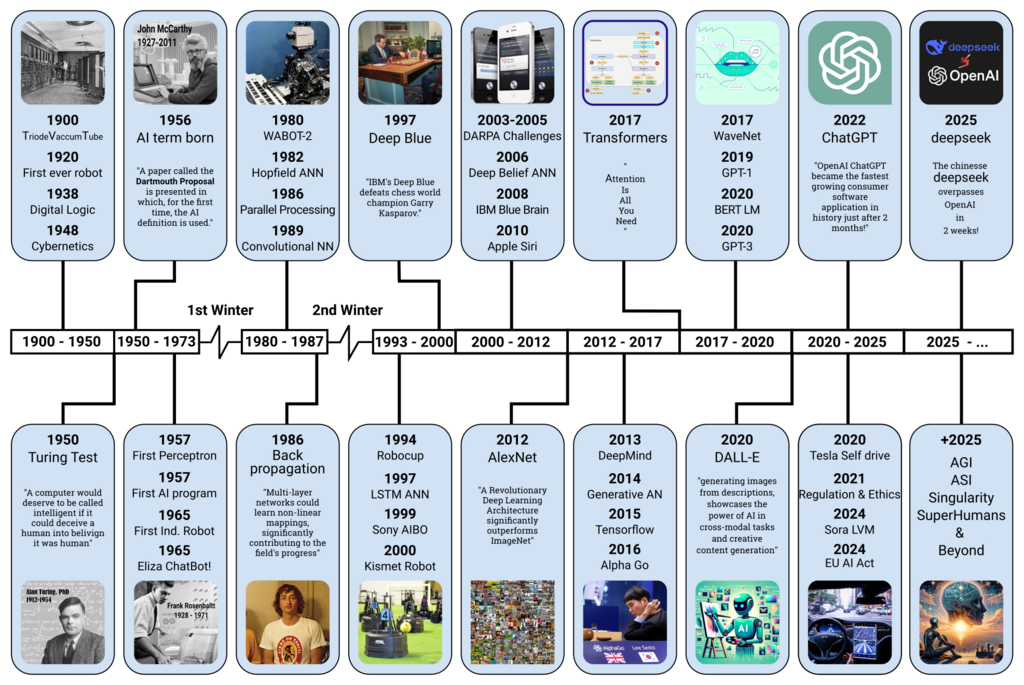
The dream of creating intelligent machines is not new. The term "artificial intelligence" was first coined at a conference at Dartmouth College back in 1956. Early pioneers were optimistic, believing a machine as intelligent as a human was just a few decades away.
The journey has been a series of breakthroughs and setbacks, often called "AI summers" and "AI winters." Early systems could solve logic puzzles and play checkers, but they were brittle and lacked real-world understanding. It was the recent convergence of big data and massive computing power that finally unlocked the potential imagined all those years ago.
AI in the Wild
AI is no longer just in research labs. It’s a part of our daily lives, often working quietly in the background. When your email filters out spam, that's AI. When a streaming service recommends a movie you end up loving, that’s also AI.
Beyond these conveniences, AI is making a huge impact in critical fields:
- Healthcare: AI algorithms analyze medical images like X-rays and MRIs, helping doctors spot signs of diseases like cancer earlier and more accurately.
- Finance: Banks use AI to detect fraudulent transactions in real-time, protecting customers from theft. It also helps in assessing loan risks and automating trading.
- Transportation: The development of self-driving cars is one of the most visible applications of AI. These vehicles use a suite of sensors and AI models to perceive their environment and navigate safely.
Two Flavors of AI
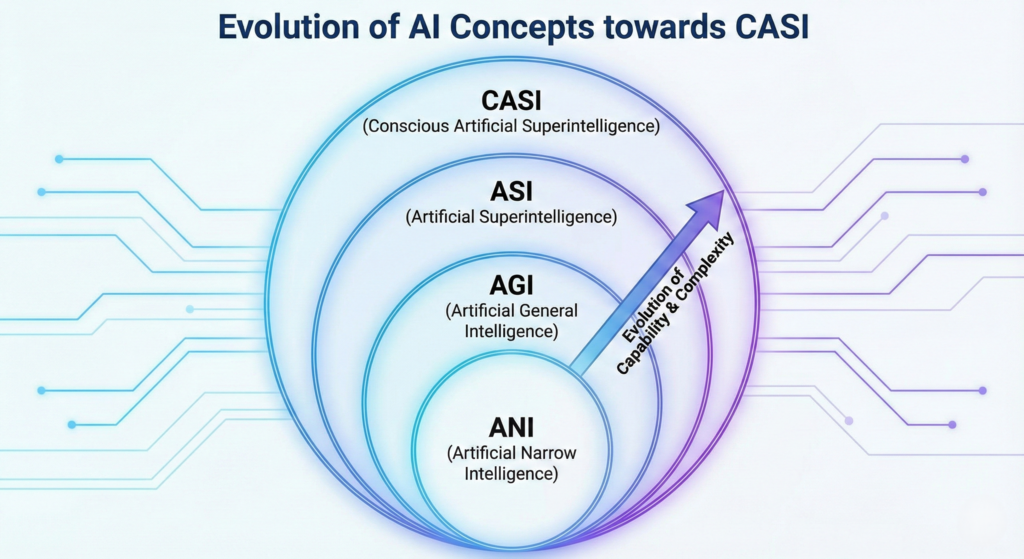
It’s important to know that not all AI is created equal. Right now, we can categorize AI into two main types: Narrow AI and General AI. Understanding the difference is key to cutting through the hype.
| Feature | Narrow AI (ANI) | General AI (AGI) |
|---|---|---|
| Scope | Designed for one specific task. | Can understand and perform any intellectual task a human can. |
| Example | Voice assistants (Siri, Alexa), spam filters, game-playing AI (AlphaGo). | A machine with human-like consciousness and problem-solving abilities. |
| Current Status | This is the only type of AI we have successfully built to date. | Purely theoretical and a subject of ongoing research. |
Everything you interact with today is a form of Artificial Narrow Intelligence (ANI). It can be incredibly powerful at its specific job, sometimes even superhuman, like an AI that can beat the world's best chess player. However, that same AI can't do anything else. You couldn't ask it to drive a car or recommend a song.
Artificial General Intelligence (AGI) is the more sci-fi concept of a machine that possesses the flexible, adaptable intelligence of a human being. It could learn a new skill, reason through a complex problem it’s never seen before, and even have self-awareness. Creating AGI remains one of the biggest challenges in computer science.
Time to check what you've learned.
What are the three essential ingredients required for every AI system?
The type of AI that can beat a world champion at chess but cannot recommend a movie is known as __________.
Understanding these core concepts gives you a solid foundation for exploring the fascinating and rapidly evolving world of artificial intelligence.