Exploring Modern Secretarial Roles
Introduction to Secretarial Roles
From Scribes to Secretaries
The word “secretary” comes from the Latin secretarius, meaning a person entrusted with secrets. Long before offices had computers or even typewriters, there were scribes and record-keepers. These individuals were the original secretaries, trusted confidants to rulers and merchants, responsible for handling sensitive correspondence and maintaining important records.
In ancient Egypt, scribes were highly respected members of society who documented everything from laws to harvests. During the Renaissance, a secretary was often a powerful male advisor to a king or nobleman, managing state secrets and diplomatic communications. The role was one of great trust and influence.
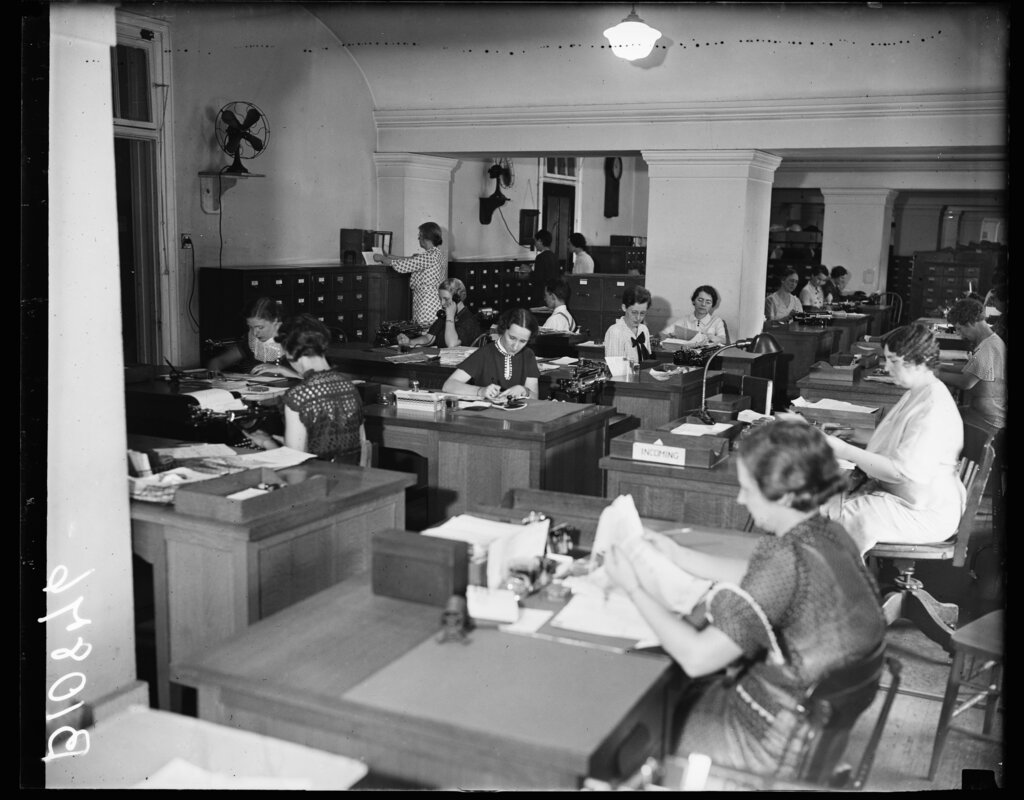
The Industrial Revolution created a surge in business and paperwork, transforming the secretarial role once again. The invention of the typewriter in the late 19th century opened the door for women to enter the office workforce in large numbers. The job became less about being a high-level confidant and more focused on the practical, day-to-day administrative tasks needed to run a modern business.
The Traditional Secretary's Desk
For much of the 20th century, the role of a secretary was clearly defined. They were the organizational backbone of the office, ensuring that everything ran smoothly. Their toolkit included a typewriter, a shorthand notebook, and an intricate knowledge of filing systems.
secretary
noun
A person employed by an individual or in an office to assist with correspondence, keep records, make appointments, and carry out similar tasks.
The core responsibilities were consistent across most industries. These duties required precision, speed, and excellent organizational skills.
| Responsibility | Description |
|---|---|
| Typing & Transcription | Creating documents from handwritten notes or dictation. |
| Shorthand | Quickly taking notes during meetings or phone calls. |
| Filing | Organizing and maintaining paper records in filing cabinets. |
| Mail Handling | Sorting and distributing incoming mail and preparing outgoing mail. |
| Answering Phones | Operating a switchboard and directing calls. |
| Scheduling | Managing calendars and appointments in a physical diary or planner. |
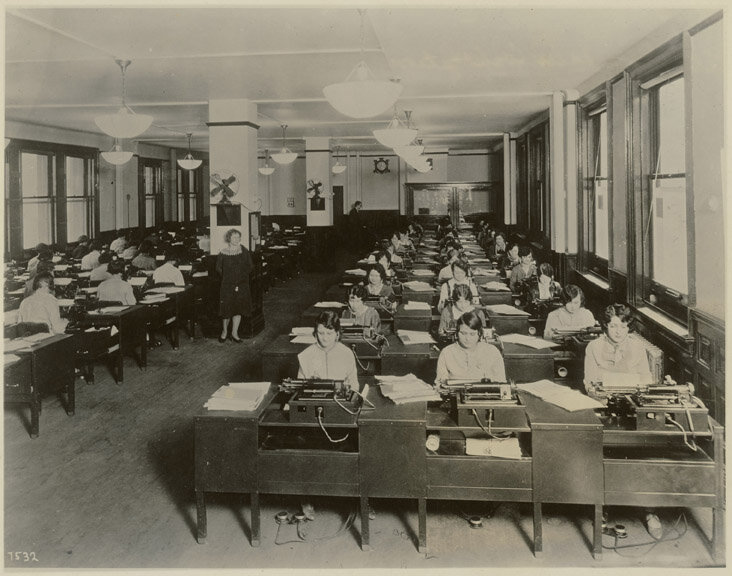
This was a demanding job that required a specific skill set. A good secretary could type quickly and accurately, take flawless dictation, and instantly retrieve any needed document from a complex filing system. They were the gatekeepers of information and communication for their bosses.
Technology Changes Everything
The introduction of the personal computer in the 1980s marked the beginning of a massive shift. What was once done manually on paper or with mechanical devices could now be done faster and more efficiently on a screen.
Word processing software replaced the typewriter and correction fluid. Email began to take over from postal mail. Digital calendars made scheduling far more flexible than a paper-based system.
These changes didn't eliminate the need for administrative support. Instead, they altered the nature of the work. Tasks that once took hours, like retyping an entire document to fix a few errors, could now be done in minutes. This freed up secretaries from routine clerical duties and allowed the role to evolve.
With technology handling many of the traditional tasks, the focus shifted from manual execution to information management. The secretary was no longer just a typist or a filer but was beginning to become a true administrative manager, setting the stage for the modern roles we see today.
What is the original Latin meaning of the word from which "secretary" is derived?
What invention was most responsible for shifting the secretarial role during the Industrial Revolution and increasing the number of women in offices?
This historical foundation is key to understanding how administrative roles continue to adapt in the modern workplace.