Exploring Modern Biotechnology
Genetic Engineering
Editing the Code of Life
Genetic engineering is the direct manipulation of an organism's genes using biotechnology. It’s like being able to go into the source code of a living thing and making precise changes. This process allows us to alter genetic material to add, remove, or change specific traits.
Instead of relying on traditional breeding, which can take generations, genetic engineering offers a faster and more targeted approach. The core idea is to identify a gene responsible for a particular characteristic and then use molecular tools to modify it. This has profound implications for medicine, agriculture, and our understanding of biology itself.
CRISPR: A Molecular Scalpel
One of the most powerful tools for genetic engineering is CRISPR-Cas9. Think of it as a molecular 'find and replace' function for DNA. The system has two key components:
1. Guide RNA (gRNA): This is a small piece of RNA designed to match a specific target DNA sequence. It acts as a GPS, guiding the system to the exact spot in the genome that needs to be edited. 2. Cas9 enzyme: This is a protein that acts like a pair of molecular scissors. Once the guide RNA finds its target, the Cas9 enzyme cuts the DNA at that location.
After the DNA is cut, the cell's natural repair mechanisms kick in. Scientists can take advantage of this process to introduce changes. The cell can either repair the break, which often inactivates the gene, or it can use a new piece of DNA supplied by the researchers as a template to repair the gap, effectively pasting in a new sequence.
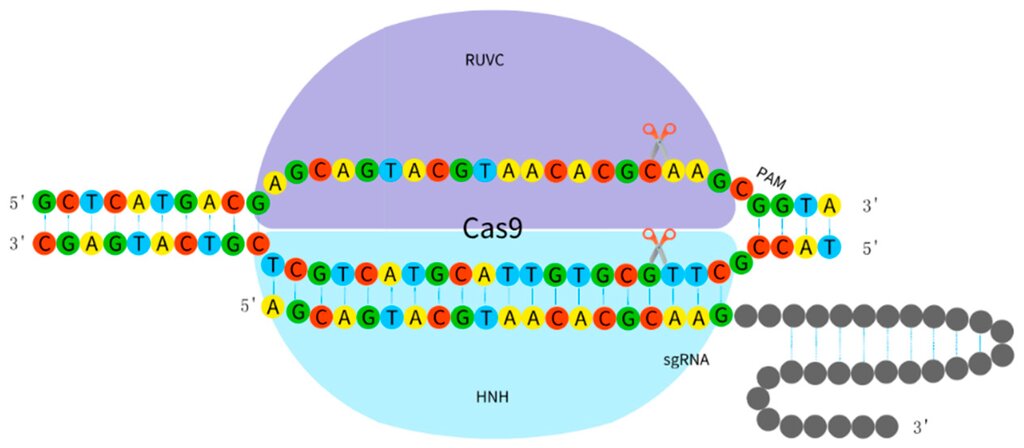
This precision makes CRISPR-Cas9 invaluable. It's used in research to study gene function, and it has enormous therapeutic potential for correcting genetic defects that cause diseases like sickle cell anaemia and cystic fibrosis.
Correcting Genetic Faults
Gene therapy aims to treat or cure diseases by correcting the underlying genetic problem. Instead of treating symptoms, it tackles the root cause within our cells. There are two main approaches:
| Approach | Description | Example |
|---|---|---|
| In Vivo (in the body) | The therapeutic genes are delivered directly into the patient's body, often using a modified, harmless virus as a delivery vehicle. | Injecting a virus carrying a correct copy of a gene into a patient's eye to treat a form of blindness. |
| Ex Vivo (outside the body) | Cells are removed from the patient, genetically modified in the lab, and then returned to the patient. | Taking a patient's immune cells, engineering them to attack cancer, and then infusing them back into the body. |
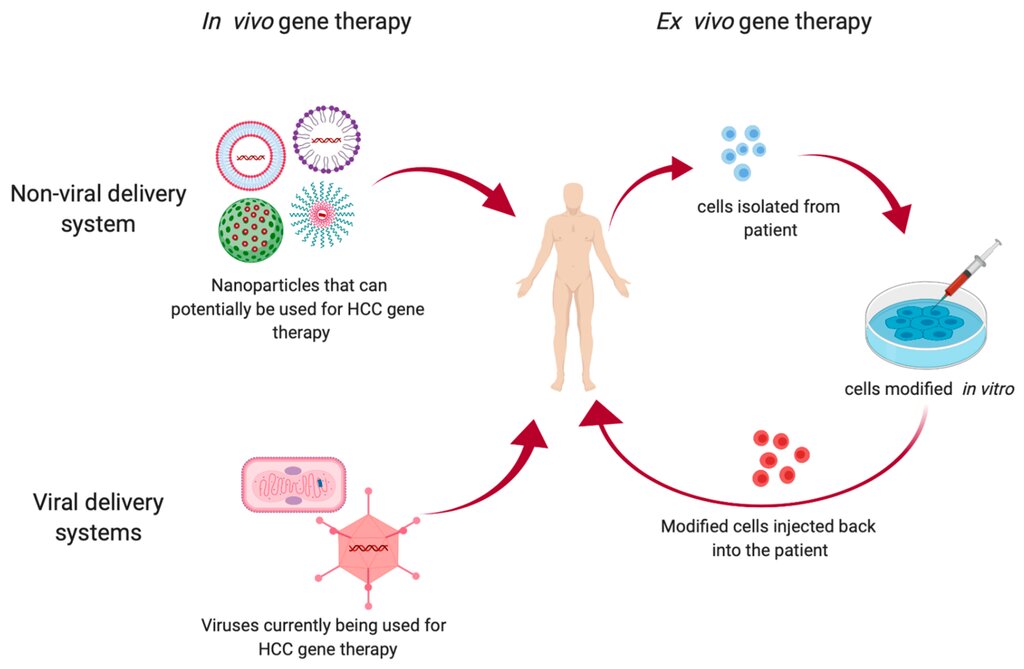
Gene therapy has already shown success in treating several genetic disorders, offering hope where previously there was none. It represents a shift towards personalised medicine, where treatments are tailored to an individual's unique genetic makeup.
Gene therapy, which involves making targeted changes to a person's genome to treat or cure diseases, is a significant medical application of genetic engineering.
Engineering Our Food Supply
Genetic engineering is also widely used in agriculture to create genetically modified organisms (GMOs). Plants can be engineered to have desirable traits that would be difficult or impossible to develop through traditional breeding.
Common modifications include:
- Pest Resistance: Some crops, like Bt corn, are engineered to produce a natural insecticide, reducing the need for chemical sprays.
- Herbicide Tolerance: Crops can be made resistant to specific herbicides, allowing farmers to control weeds without harming the crop.
- Enhanced Nutrition: 'Golden rice' was developed to produce beta-carotene, a precursor to vitamin A, to help combat deficiency in certain parts of the world.
- Disease Resistance: Plants can be modified to resist viruses and fungi that would otherwise devastate a harvest.
Beyond crops, microorganisms like bacteria and yeast are engineered to produce medicines. For instance, most of the world's insulin for diabetics is now produced by genetically modified bacteria, making it safer and more readily available than the animal-derived insulin used in the past.
The Ethical Landscape
The power to edit life's code brings with it significant ethical questions. One of the most debated topics is human germline editing, which involves making genetic changes to embryos or reproductive cells. These changes would be heritable, meaning they would be passed down to all future generations.
One of the most contentious ethical issues surrounding gene editing is germline editing, which involves making changes to the DNA of embryos or reproductive cells.
This raises profound questions. While it could potentially eradicate hereditary diseases forever, it also opens the door to 'designer babies' and could exacerbate social inequalities if only the wealthy can afford genetic enhancements. There are also concerns about unintended, long-term consequences of altering the human gene pool.
In agriculture, the primary environmental concern is the potential for GMOs to impact ecosystems. There are worries about engineered genes spreading to wild relatives through cross-pollination, potentially creating herbicide-resistant 'superweeds'. Another concern is the effect of pest-resistant crops on non-target insects, such as butterflies and bees, although extensive testing is done to minimise these risks. Balancing the benefits of higher yields and reduced pesticide use with these potential ecological impacts is a central challenge.
What is the primary advantage of genetic engineering over traditional breeding methods?
In the CRISPR-Cas9 system, what is the role of the Cas9 component?