Exploring Mobile Applications
Introduction to Mobile Applications
What Is a Mobile App?
A mobile application, or app, is a type of software designed to run on a mobile device, such as a smartphone or tablet. Think of it like a specialized tool. You wouldn't use a hammer to turn a screw; you'd use a screwdriver. Similarly, you use a weather app to check the forecast, not to send a message.
Each app is built for a specific purpose, from connecting with friends to managing your finances or learning a new language.
These programs are compact, task-focused, and designed to work with the limited resources and screen sizes of mobile devices. They've become an essential part of daily life, changing how we communicate, work, shop, and entertain ourselves. They provide a direct and convenient way to access information and services from anywhere, right in the palm of our hand.
A Quick History
Before smartphones, mobile apps were simple. Think of the classic game Snake on old Nokia phones, or basic calendar and calculator functions. These came pre-installed on the device and were very limited in what they could do. There was no central place to download new ones.
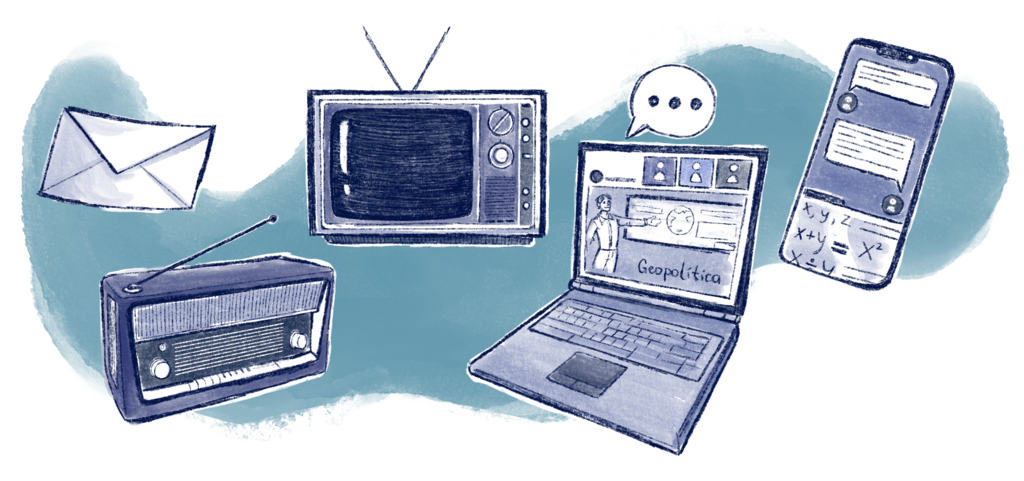
Everything changed in 2008 with the launch of Apple's App Store. Suddenly, developers had a platform to create and distribute their own applications to millions of users. Google followed soon after with its own marketplace, now called the Google Play Store. This sparked a revolution.
Apps exploded in complexity and variety. They went from simple utilities to powerful platforms for social networking, banking, streaming media, and more. This shift created entire new industries and transformed existing ones, putting immense computing power into everyone's pocket.
Apps in Everyday Life
It's hard to imagine a day without mobile apps. They've woven themselves into the fabric of our routines. When you wake up, you might check a news app. On your commute, you might listen to a podcast or music through a streaming app. At work, you use apps for email, messaging, and collaboration.
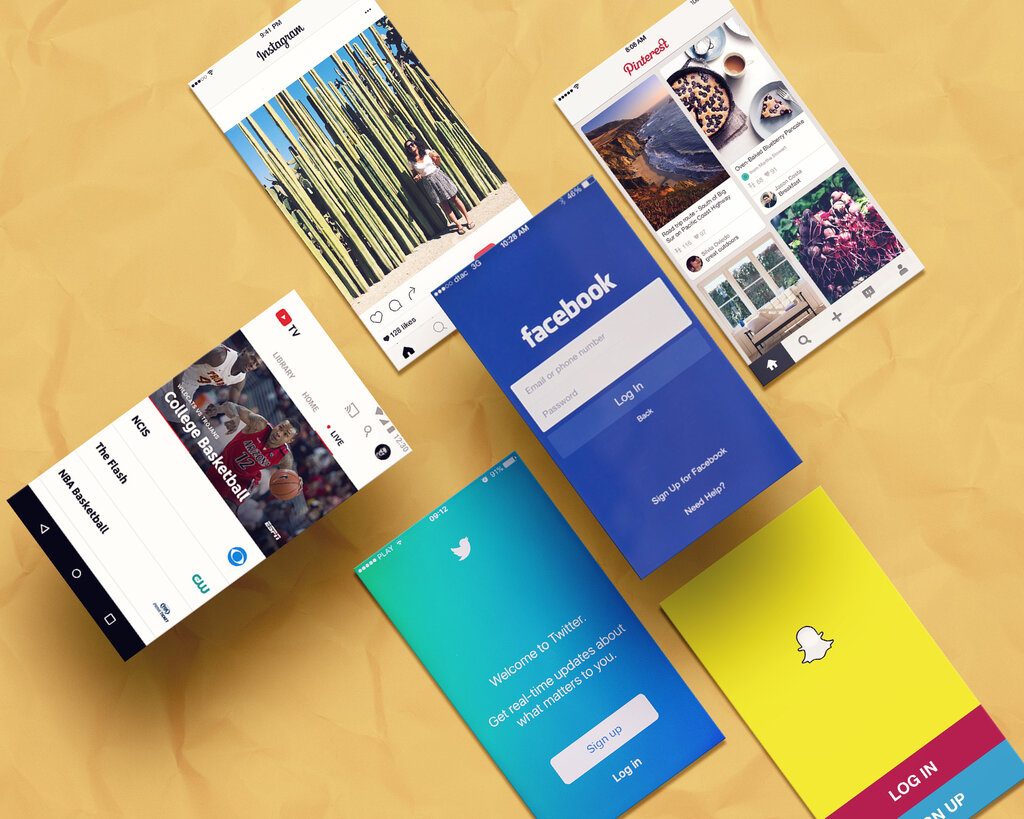
Mobile applications have reshaped entire sectors:
- Communication: Apps like WhatsApp, Messenger, and Instagram allow for instant connection with people around the world.
- Entertainment: Netflix, Spotify, and mobile games provide on-demand content wherever you are.
- Commerce: You can order groceries from Amazon, have food delivered via DoorDash, and manage your bank account without ever visiting a physical location.
- Education: Platforms like Duolingo make it possible to learn a new language on the go, while course apps bring classrooms to your screen.
They offer convenience and efficiency, streamlining tasks that once required a desktop computer or were done in person.
Let's review some of the key terms we've covered.
Now, let's test your understanding of these fundamental ideas.
What is the primary characteristic that defines a mobile application?
What major event in 2008 fundamentally changed the landscape for mobile apps?
From simple tools to complex ecosystems, mobile apps have fundamentally changed how we interact with technology and each other.