Exploring Meditation Styles
Introduction to Meditation
What Is Meditation?
At its core, meditation is a practice for training your attention and awareness. Think of it like exercise for your mind. Just as you might lift weights to strengthen your muscles, you can practice meditation to strengthen your focus and calm your thoughts.
The main goal isn't to empty your mind or stop thinking altogether. That's a common misconception. Instead, it’s about observing your thoughts without judgment, learning to understand them, and gently guiding your focus back to the present moment when it wanders.
meditation
noun
A practice where an individual uses a technique – such as mindfulness, or focusing the mind on a particular object, thought, or activity – to train attention and awareness, and achieve a mentally clear and emotionally calm and stable state.
People meditate for many reasons. Some seek stress relief or better emotional health. Others use it to deepen their spiritual connection or simply to find a pocket of peace in a busy day. Whatever the reason, the practice helps cultivate a more stable and peaceful state of being.
A Journey Through Time
Meditation is not a new trend. Its roots stretch back thousands of years, with the earliest written records found in the Vedas, ancient Hindu scriptures from around 1500 BCE in India. From there, meditative practices blossomed within various spiritual traditions across Asia.
Buddhism, which emerged in India around the 6th century BCE, placed meditation at the heart of its path to enlightenment. As Buddhism spread, it carried different forms of meditation to places like China, Japan, Tibet, and Southeast Asia. Each culture adapted the practices, weaving them into their own unique spiritual tapestries.
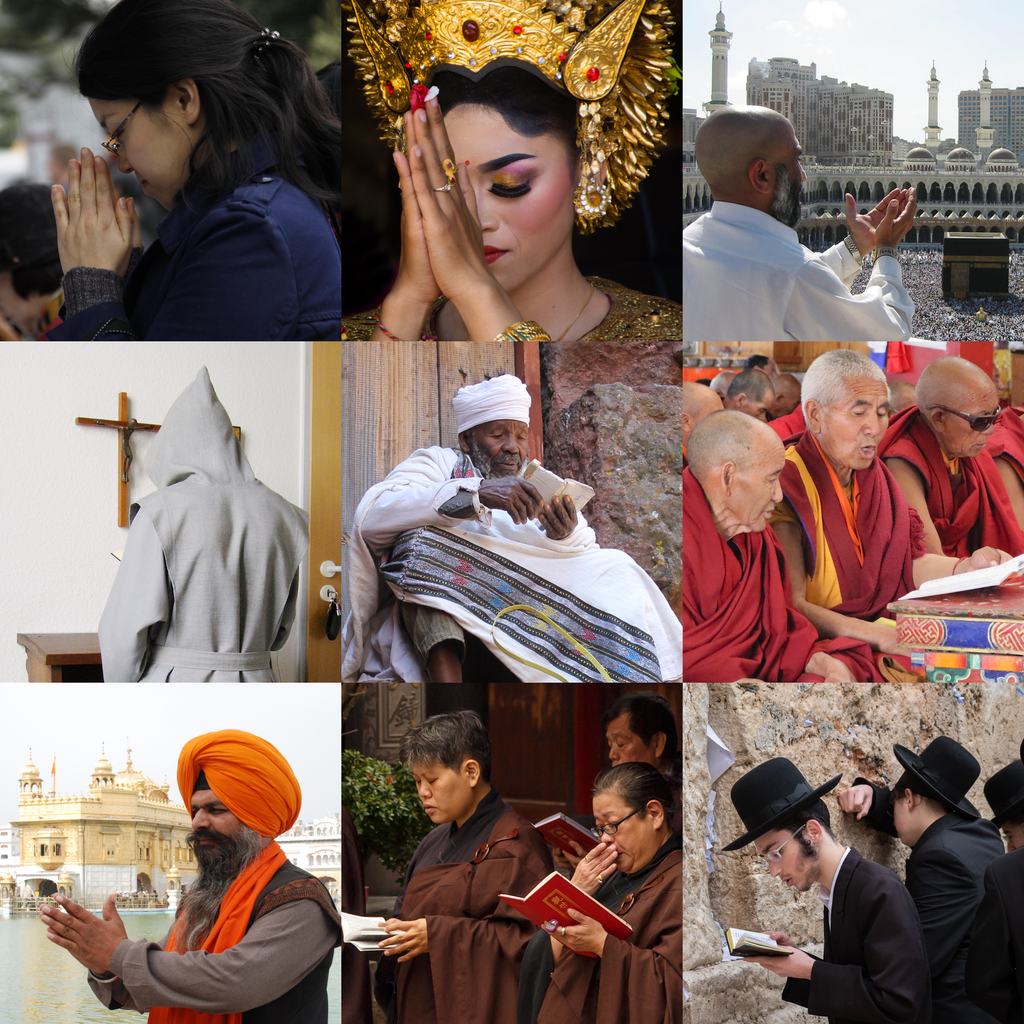
While deeply connected to spiritual traditions like Hinduism, Buddhism, and Taoism, meditation has also been practiced in secular contexts for centuries. Today, it has spread worldwide and is embraced by people from all walks of life, both for its spiritual and its practical, science-backed benefits.
The Benefits for Mind and Body
So, what happens when you regularly practice meditation? The benefits are wide-ranging and impact both mental and physical health. It's a way to hit the reset button on your nervous system.
Mentally, meditation is known to reduce stress and anxiety. By creating a routine of quiet reflection, you can lower levels of the stress hormone cortisol. Many people also report improved focus, greater emotional stability, and a boost in self-awareness. It can feel like turning down the volume on the constant chatter in your head.
Regular meditation can help you manage your thoughts and feelings, rather than being managed by them.
The effects aren't just in your head. Research suggests meditation can have tangible physical benefits. It may help lower blood pressure, improve sleep quality, and even reduce some symptoms associated with tension headaches and chronic pain.
By calming the mind, you also calm the body. This creates a positive feedback loop where a relaxed body helps maintain a clear and peaceful mind.
What is the primary purpose of meditation, according to the provided text?
True or False: The main goal of meditation is to stop thinking altogether.
This introduction gives you a foundation for what meditation is and why it has been a valued practice for millennia. It’s a tool for connecting with yourself and finding balance.