Exploring Litha The Summer Solstice
Introduction to Litha
The Sun's Peak
On the longest day of the year, the sun reaches its highest point in the sky. This moment, known as the summer solstice, has been celebrated for millennia. In many modern Pagan traditions, this festival is called Litha.
Litha
noun
A pagan festival celebrating the summer solstice, the longest day of the year. It marks the peak of the sun's power and the height of summer.
Litha is one of the eight major festivals, or Sabbats, in the Wheel of the Year. It is a solar festival, falling opposite the winter solstice (Yule) on the calendar. While Yule marks the shortest day and the rebirth of the sun, Litha celebrates the sun at the peak of its strength. It's a time of abundance, growth, and vibrant life.
Ancient Roots
Observing the solstices is an ancient practice. Cultures across the globe built monuments to track the sun's journey. Stonehenge in England, for example, is famously aligned with the summer solstice sunrise. For ancient agricultural societies, this celestial event was crucial. It signaled the midpoint of the growing season, a time to tend to crops that would sustain them through the coming winter.
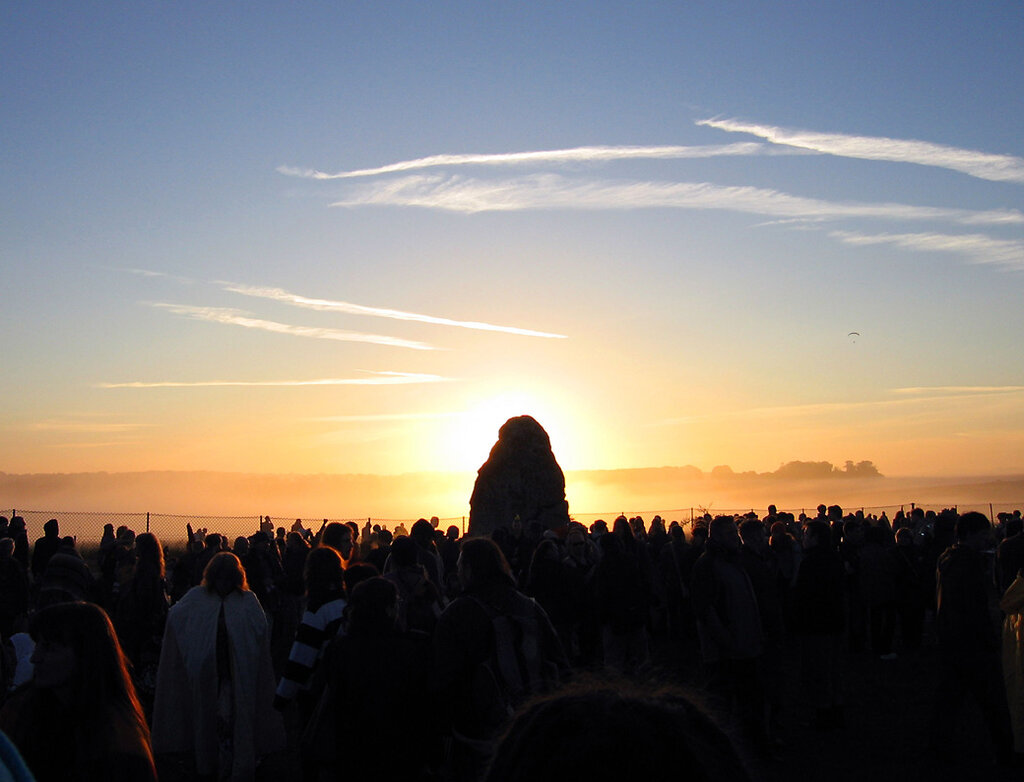
The name "Litha" itself is relatively modern, possibly popularized in the 20th century. However, the traditions it represents are deeply rooted in pre-Christian European history. Many cultures, including the Norse, Celts, and Romans, held midsummer festivals. These celebrations often involved bonfires, feasting, and honoring the sun gods and goddesses who brought warmth and life to the land.
A Turn of the Wheel
The Wheel of the Year is a cycle of eight festivals that mark the changing seasons. These Sabbats are divided into two groups: the four solar festivals (the solstices and equinoxes) and the four cross-quarter festivals that fall between them.
Litha sits at the very top of the Wheel, representing the pinnacle of light and warmth before the days begin to shorten again.
As a major solar festival, Litha is a key turning point. Though it celebrates the peak of the sun's power, it also carries a subtle acknowledgment of the coming darkness. From this day forward, the days will slowly but surely grow shorter as the Wheel turns toward autumn and winter. It is a celebration of both fulfillment and transition.
What does the festival of Litha primarily celebrate?
Litha is considered a turning point in the Wheel of the Year because while it celebrates the sun's peak, it also marks the moment when the days begin to get shorter.