Exploring Leviticus and Numbers
Leviticus Context and Purpose
The Book in the Middle
Leviticus is the third book of the Torah, the foundational text of Judaism. Its position is no accident. It sits directly between Exodus, which tells the story of Israel's liberation from Egypt and the giving of the law at Mount Sinai, and Numbers, which chronicles their forty-year journey through the wilderness.
Think of it as the crucial instruction manual received right after the parts for a complex machine have been delivered, but before the journey begins. Exodus sets up the relationship between God and Israel; Leviticus provides the rules of engagement for that relationship.
Setting the Scene at Sinai
The events of Leviticus unfold in a single, static location: the foot of Mount Sinai. The Israelites have escaped Egypt, crossed the Red Sea, and received the Ten Commandments. More recently, they've just completed the construction of the Tabernacle, a portable sanctuary where God's presence would dwell among them.
This context is everything. The Tabernacle is finished, and God is now symbolically living in their neighborhood. The pressing question becomes: how does a community of ordinary, flawed people coexist with a perfectly holy God in their midst? Leviticus is the answer to that question.
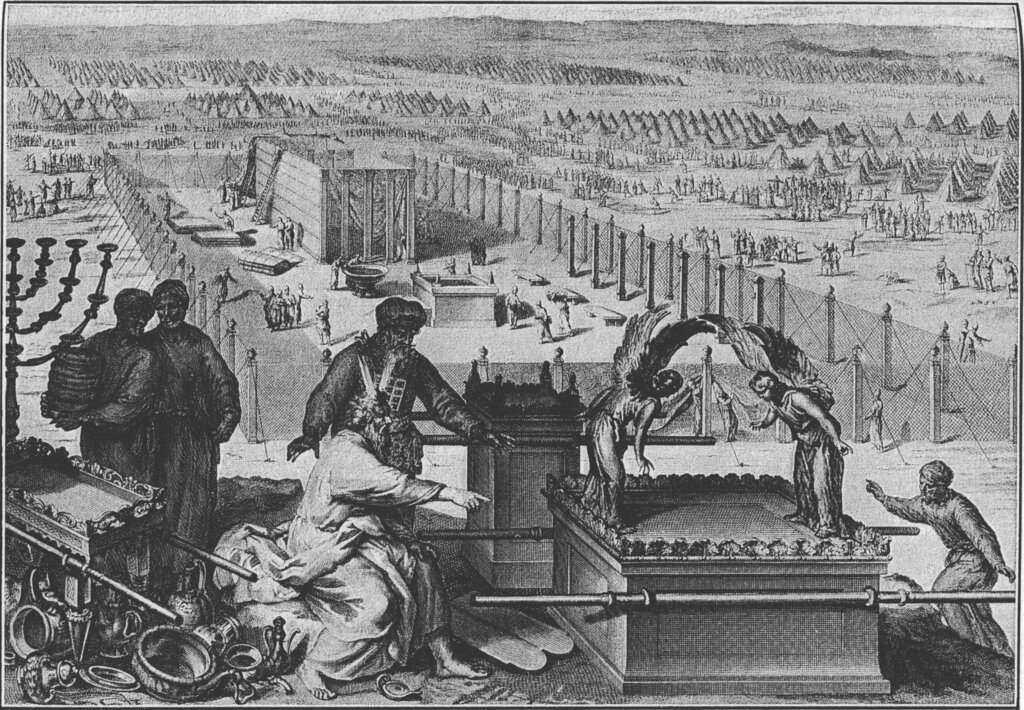
According to tradition, the laws and instructions in Leviticus were given directly to Moses by God during this time at Sinai. Moses then relayed them to the people. This frames the book not as a human-made legal code, but as divine instruction for the fledgling nation of Israel.
A Manual for Holiness
At its heart, Leviticus is a manual for holiness. It's a guidebook for creating and maintaining a community distinct from the surrounding cultures, set apart for a specific purpose. This isn't just about following rules for their own sake; it's about managing the powerful and dangerous reality of God's presence.
The entire system of sacrifices, purity laws, and festivals is designed to sustain the covenant relationship established in Exodus. It provides a way for people to deal with sin, impurity, and the natural cycles of life while remaining in fellowship with God.
Qadosh
adjective
A Hebrew word meaning 'holy,' 'sacred,' or 'set apart.' It describes something or someone separated from the common for a divine purpose. In Leviticus, it refers to both God's intrinsic nature and the state to which the people of Israel are called.
This idea of holiness explains the book's logic. God is perfectly holy, which means He is separate from all that is sinful, impure, or common. For the Israelites to live near His presence in the Tabernacle, they too had to be set apart. The laws of Leviticus provided the blueprint for how to do that, creating a sacred space and a sacred people.
How can a holy God dwell among an impure people? This is the central question Leviticus seeks to answer.
So, while Leviticus may seem like a pause in the Bible's grand narrative, it's actually the theological and practical heart of the Torah. It's the part of the story that explains how the Israelites were to live out their new identity as God's chosen people. Without the framework provided by Leviticus, the journey in Numbers and the life in the promised land would have been theologically impossible.
In the biblical narrative of the Torah, Leviticus is positioned between which two books?
According to the text, what is the primary question that the book of Leviticus aims to answer?